
18 Companies to be Delisted from the Exchange, Will Retail Investors Be Left Biting Their Nails?
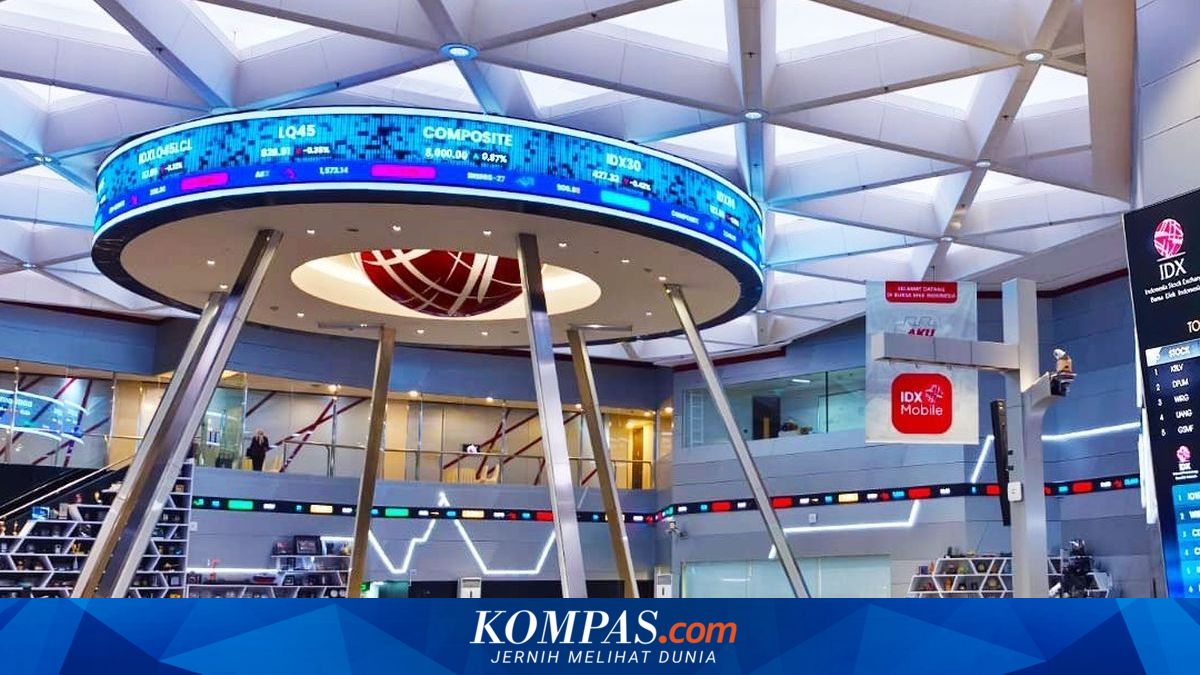
JAKARTA, KOMPAS.com - Plans to delist 18 issuers from Indonesia’s capital market are seen as carrying significant risks for retail investors, particularly those still trapped in shares that have long been suspended or frozen by the exchange authority.
The Indonesia Stock Exchange (BEI) has confirmed it will remove the listing of securities or delist 18 issuers on 10 November 2026.
BEI’s decision targets issuers facing serious fundamental pressures, from bankruptcy conditions to prolonged suspensions.
Of the 18 issuers, seven are being delisted due to bankruptcy declarations, while the other 11 have experienced trading suspensions for more than 50 months.
“This delisting of 18 issuers has the potential to harm retail investors, especially those still holding shares in long-suspended conditions. When delisting occurs, investors will lose all their assets,” said Reydi when contacted by Kompas.com on Tuesday night (14/4/2026).
According to him, although BEI has prepared several mitigation steps, such as placing shares on a special monitoring board and encouraging buybacks in accordance with Financial Services Authority (OJK) provisions, implementation in practice does not always run effectively.
This is because many issuers are in weak financial conditions, thus lacking the ability to realise share buyback actions from investors.
As a result, the regulatory protections available do not necessarily provide a way out for retail investors.
“From BEI’s side, mitigations are in place, such as special monitoring board status and encouragement of buybacks according to OJK rules. However, in practice, this protection is not necessarily feasible, because many issuers are already in weak conditions and thus struggle to realise buybacks,” he explained.
Furthermore, Reydi emphasised the importance of early vigilance for retail investors.
He mentioned several indicators, such as shares entering regulatory watchlists, prolonged suspensions, deteriorating fundamentals, and increasingly thin liquidity, which should serve as strong signals to evaluate, even to cut losses.
He also reminded investors not to be solely tempted by share prices that appear cheap.
According to him, such an approach is highly risky if not balanced with analysis of the issuer’s business quality and liquidity.
“For retail investors, once a share enters the regulatory watchlist, faces long suspensions, worsening fundamentals, or thin liquidity, that’s already a signal to evaluate or even cut losses while possible. Additionally, avoid shares just because they’re cheap, but focus on the issuer’s quality and liquidity,” he stressed.