
18,215 University Research Projects Secure Total Funding of Rp1.7 Trillion
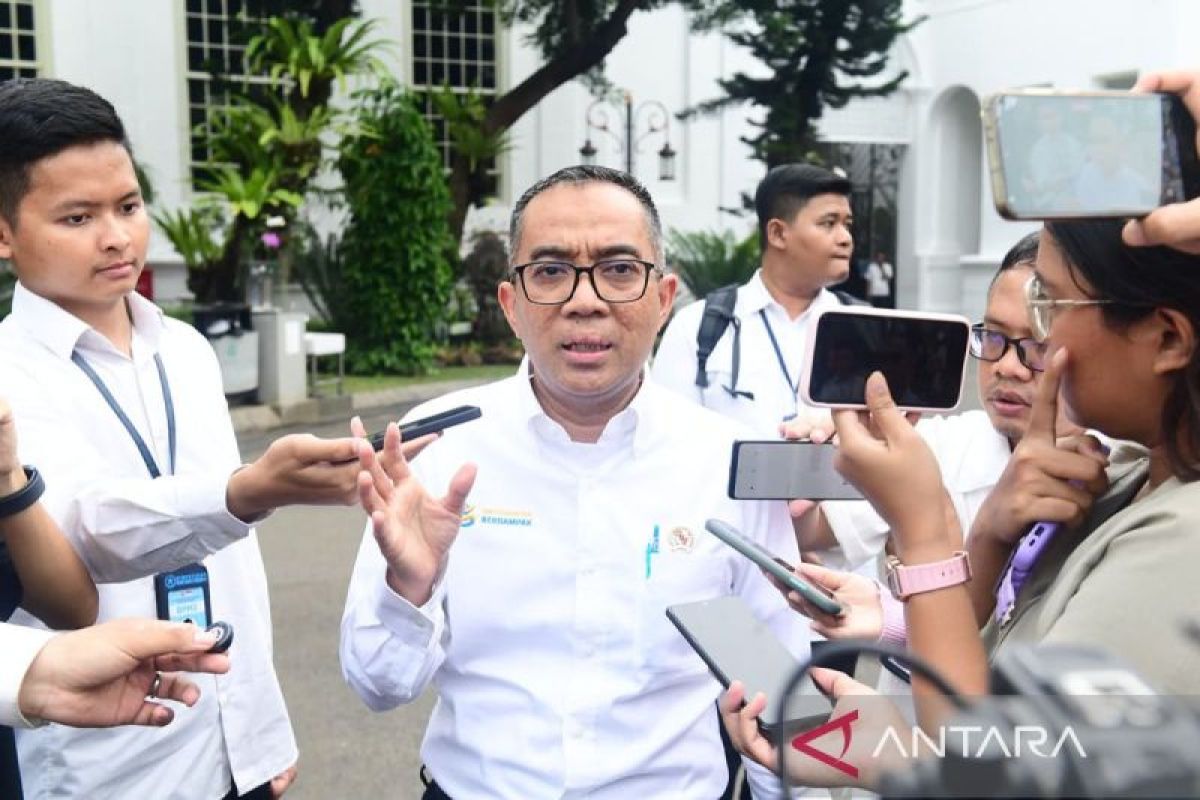
Jakarta (ANTARA) - The Ministry of Higher Education, Science, and Technology (Kemdiktisaintek) has officially announced the recipients of research and development funding for 2026, with a total budget of Rp1.7 trillion to support 18,215 research and development activities at universities throughout Indonesia.
“Congratulations to all recipients. This is the result of hard work and extraordinary dedication in preparing yourselves with teams, collaborating with lecturers and researchers to prepare proposals, conducting research, and community service, thereby producing impactful research works and innovations,” said the Minister of Higher Education, Science, and Technology (Mendiktisaintek) Brian Yuliarto in a statement in Jakarta on Friday.
Minister Brian stated that collaboration between universities, government, and the business world is key to ensuring that innovations do not stop at laboratories and classrooms but can provide real impact for society and industry.
“Let us make science and technology the drivers of our economic growth and equitable distribution for an independent and competitive Indonesia,” he said.
The health sector receives the largest funding portion at 27%, followed by food security at 25%, downstreaming and industrialisation at 16%, digitalisation including artificial intelligence and semiconductors at 15%. Meanwhile, energy receives 7%, advanced manufacturing and materials 4%, maritime 4%, and defence 2%.
In detail, for the Research Programme, 13,028 proposals were approved out of 83,284 submissions, with total funding of Rp1.04 trillion, focusing on strengthening lecturers’ research capacity while encouraging basic and applied research relevant to real needs.
Meanwhile, the Community Service Programme (PkM) has selected 3,328 recipient teams from 15,728 submissions, with total funding of Rp167 billion, focusing on community empowerment based on innovation, particularly in 3T regions (frontier, outermost, and underdeveloped), vulnerable groups, and indigenous communities, including integration with Real Work Lectures (KKN).
For the Model and Prototype Testing Programme, 354 proposals were approved out of 985 submissions, with total funding of Rp46 billion, focusing on testing and refining research outcomes for broader use.
Next, the High-Impact Consortium Research Programme (RIKUB) has selected 102 consortia as funding recipients, consisting of 49 multi-year continuation consortia and 53 new proposal consortia out of 565 submissions, with total funding of Rp62.4 billion.
The Impactful Student Programme recorded 608 activity proposals, with 202 titles approved and funded at Rp21.9 billion. Through this programme, 10,090 students are deployed to Aceh, North Sumatra, and West Sumatra to support accelerated post-disaster recovery through the utilisation of science, technology, and innovation.
For the Archipelagic Nusantara Arts Innovation Programme (PISN), there are 244 funded titles with total funding of Rp17.5 billion. This programme is an effort to renew and develop artistic works rooted in Indonesian cultural traditions.
Finally, the PHC-Nusantara Programme has selected 15 collaborative research titles from Indonesian-French research teams out of 72 proposals, with a total budget of Rp2.2 billion.
Information on the funding status of proposals can be accessed through each proposer’s account on the BIMA system (bima.kemdiktisaintek.go.id) and Hiliriset (hiliriset.kemdiktisaintek.go.id) according to the proposed programme.