
150 Households in Melati Village, Depok Engaged in Waste Collection, Some Have Educated Children to University Level
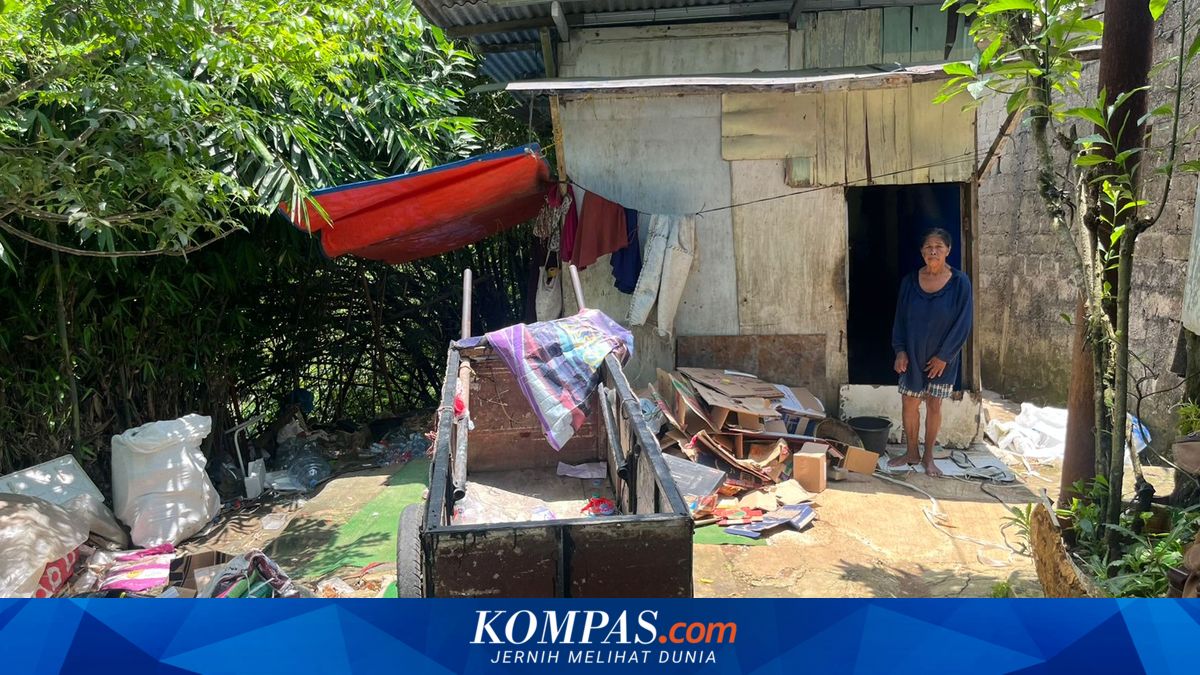
Depok — Nearly 150 heads of household remain actively employed as waste collectors in Melati Village, Melati Street, Depok City. However, some residents are increasingly transitioning to alternative work, including car washing and online motorcycle taxi services.
“150 households are currently (still waste collectors), whereas previously when everyone was actively engaged, there could be 200 or so. Now they (the rest) are beginning to seek other work,” said the local neighbourhood chief Sumanto when met by Kompas.com at the location on Tuesday (10/3/2026).
In their daily activities, they move around using carts to traverse residential streets in search of scrap materials that still have resale value.
According to Sumanto, their working area is not too far and typically remains within the Sukmajaya area of Depok.
“They search for items in this area only, Perumnas and then towards Pesona, because waste collectors are not allowed to enter those areas. Previously there were more of them and they would search more widely,” said Sumanto.
Although not verified with certainty, Sumanto believes his residents possess strong determination and perseverance. For this reason, the designation of his area as a waste collector village has never truly disappeared.
In fact, some residents have successfully educated their children through higher education from the proceeds of collecting scrap materials.
“Although their parents are waste collectors, the children study, so at minimum they study through secondary school, and there are also some who go on to university,” he explained.
Supiah decided to migrate in 1996, leaving a child in her hometown. Meanwhile, her husband had died long ago, so she now lives alone in a simple boarding room.
On a daily basis, Supiah earns between 50,000 and 75,000 Indonesian rupiah, depending on the scrap materials she collects.
Despite this, Supiah willingly sets aside part of her income to send to her grandchild who lives in her hometown.
According to her, any amount can be useful for her only child who works as a merchant in Bojonegoro.