
150,000 Tonnes Already Discharged, Japan Far from Resolving Fukushima Nuclear Waste
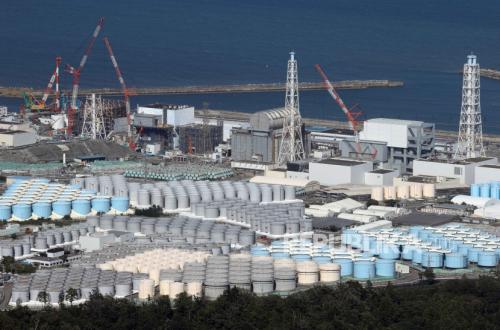
Japan has commenced a new round of discharging treated wastewater from the Fukushima Daiichi Nuclear Power Plant into the Pacific Ocean on Monday, 1 June 2026. This represents the 20th release since the programme began in August 2023 amidst ongoing controversy that has triggered sustained opposition from multiple parties.
The plant’s operator, Tokyo Electric Power Company Holdings (TEPCO), stated that the latest discharge round will continue until 19 June. During this period, approximately 7,800 tonnes of treated wastewater will be released into the ocean.
According to TEPCO, the water to be discharged contains approximately 1.3 trillion becquerels of tritium after undergoing treatment processes claimed to meet safety standards established by Japanese authorities and international regulators.
Fukushima Daiichi Nuclear Power Plant suffered severe damage after being struck by a magnitude 9.0 earthquake and tsunami on 11 March 2011. The earthquake and tsunami waves, towering tens of metres high, disabled the plant’s cooling systems, causing three reactor cores to undergo meltdown. The incident triggered a substantial radiation leak into the surrounding environment and became one of the worst nuclear disasters in modern history.
International regulatory bodies subsequently classified Fukushima as a level 7 nuclear accident on the International Nuclear and Radiological Event Scale (INES), the most serious category also assigned to the Chernobyl nuclear disaster in Ukraine in 1986.
The Japanese government and TEPCO have repeatedly asserted that the discharged water has undergone filtration processes to remove most radioactive substances before being released into the sea. However, the policy continues to draw criticism from local fishermen, residents, and several nations concerned about long-term environmental and marine ecosystem impacts.
Opposition to the discharge programme emerged when the plan was first announced. Fishermen contend that the measure could damage consumer confidence in seafood caught from the Fukushima region, whilst environmental groups question the long-term effects of releasing tritium-containing water into the ocean.
Since the discharge programme began in August 2023, TEPCO has completed 19 rounds of wastewater release. In total, nearly 150,000 tonnes of water have been discharged into the Pacific Ocean.
The controversy surrounding Fukushima wastewater discharge remains a subject of international scrutiny because it concerns environmental safety, marine food security, and public confidence in the management of the consequences of Japan’s largest nuclear disaster since World War II.