
15-Year-Old Primary School Student in Kukar Found Unable to Read
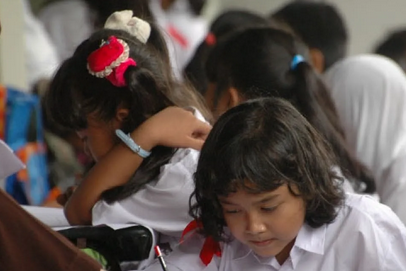
A primary school (SD) student in Kutai Kartanegara Regency (Kukar) aged 15 has been reported as unable to read fluently and has yet to graduate from basic education. This situation has drawn serious attention because literacy skills form the primary foundation for learning at the primary school level.
A teacher with the initials S revealed that the student continues to participate in regular teaching and learning activities but struggles to understand basic material. According to her, standard teaching methods are no longer effective in aiding the student’s academic development.
“Standard approaches are no longer effective. Personalised guidance is needed to find suitable learning methods, and even consultation with a psychologist to detect possible barriers such as dyslexia or other psychological factors,” she stated, quoted on Wednesday (25/3/2026).
From the information gathered, the student is known to have begun formal education only at the age of eight. This delay in entering school has caused significant academic lag, particularly in reading skills.
In response to the situation, the Education and Culture Office (Disdikbud) of Kutai Kartanegara has assured that special handling measures will be taken.
The Secretary of Disdikbud Kukar, Pujianto, emphasised that every child has the same right to education without age discrimination.
“Schools must identify the causes, whether economic, geographic, or personal obstacles. This is also part of efforts to reduce the number of out-of-school children,” he explained.
Disdikbud also reminded of the importance of maintaining the student’s psychological condition, given that the age difference with classmates could lead to feelings of inferiority or bullying in the school environment.
“Schools must be inclusive and child-friendly environments. Students need assistance through inclusion programmes or additional guidance,” he stressed.
In addition to school interventions, parental involvement through parenting programmes is considered important to maintain the student’s learning motivation, both during the school learning process and at home.
With appropriate handling and ongoing support, it is hoped that the student can catch up on academic delays and complete basic education before being directed to further education levels suitable for their age.