
15% Free Float Rule Takes Effect, 293 Stocks Yet to Comply
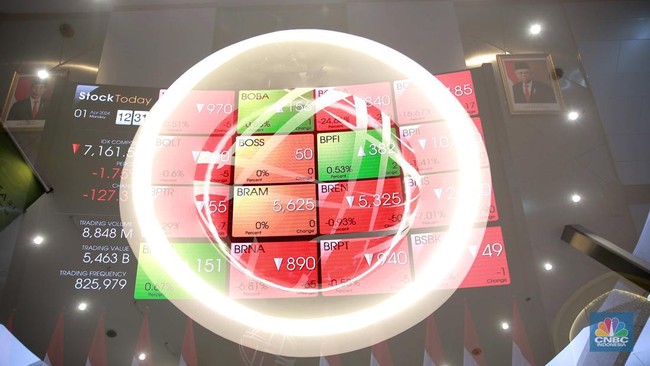
The Indonesia Stock Exchange (BEI) has officially amended the free float stock rules by increasing the minimum threshold to 15% of total listed shares. This policy took effect yesterday, Wednesday (1 April 2026).
In addition, BEI has revised the free float requirements for initial listings. Now, the requirements are set based on market capitalisation with a new tiering system, namely 15%, 20%, and 25% of the total shares to be listed.
This step aims to enhance stock liquidity on the exchange.
Transitional Mechanism and Compliance Deadlines
The exchange authority recognises that achieving the 15% threshold requires time for companies to undertake corporate actions. Therefore, BEI Corporate Secretary Kautsar Primadi Nurahmad explained that the exchange is providing a transitional deadline adjusted to the issuer’s market capitalisation value as of 31 March 2026.
The following details the schedule for fulfilling these obligations, structured progressively over the next several years.
The exchange also provides facilities for listed companies to apply for certain shareholders to be categorised as free float. This effort is supported by issuer guidance through roadshows and public presentations to increase share absorption by public investors in the secondary market.
Identification of Issuers Below the Threshold
Based on the latest data, a major challenge awaits hundreds of issuers that currently have public ownership below the new standard. Data review shows at least 293 issuers falling into this monitoring category.
This list covers various industrial sectors, where some large issuers must promptly prepare corporate action plans, such as rights issues or operator share divestments, to continue meeting exchange listing criteria.
The following section presents the complete list of issuers with free float percentages below 15% as of Thursday (2 April 2026). This data serves as an important reference for market participants to map out which issuers are likely to increase circulating shares during the upcoming transition period.