
147 MBG Kitchens in NTB Still Suspended, Awaiting IPAL and Sanitation Repairs
As many as 147 nutrition fulfilment service units (SPPG) or kitchens under the Free Nutritious Meals (MBG) programme in Nusa Tenggara Barat (NTB) remain non-operational following suspension by the National Nutrition Agency (BGN). This suspension was imposed because several kitchens have yet to meet the standards for wastewater treatment installations (IPAL) and hygiene-sanitation certificates (SLHS).
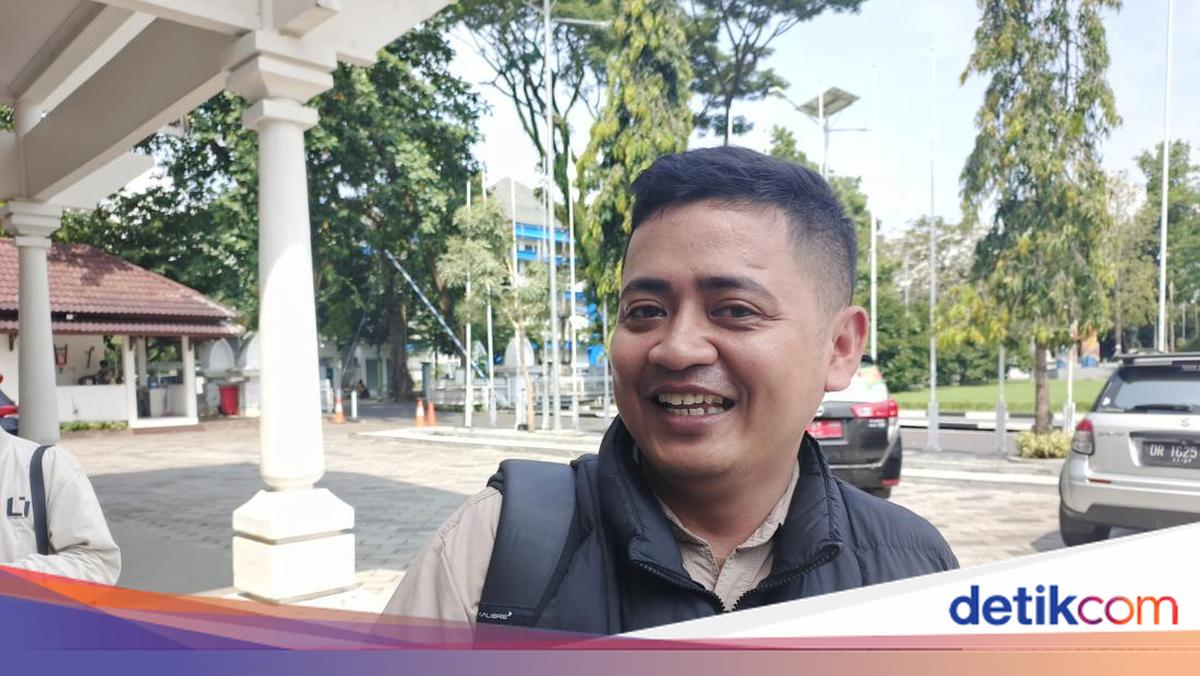
NTB Regional Coordinator for BGN, Eko Prasetyo, explained that of the total suspended kitchens, some have resumed operations after fulfilling the requirements. However, 147 units still cannot be reopened.
“Overall, those suspended due to IPAL and SLHS number 126, but there are other notable incidents, bringing the total to 147 kitchen units,” he said on Thursday (23/4/2026).
Eko stated that the total SPPG in NTB reaches 781 units, serving around 1.8 million beneficiaries. The operational suspension has no specific time limit and will only be lifted once all requirements are met by the kitchen managers.
“If it’s suspended, the letter states an indefinite period. As long as they make repairs as soon as possible, we will lift it promptly. But if it takes long, it will remain so,” he clarified.
Eko urged partner organisations or foundations owning the kitchens to promptly carry out improvements, particularly in meeting IPAL and SLHS requirements. Due to the temporary closure, hundreds of beneficiaries per kitchen are impacted as they do not receive MBG services. Moreover, managing partners do not receive incentives of Rp 6 million per day during the suspension period.
“The hope is that beneficiaries can soon receive MBG again. After all, the partner foundations must commit to improving facilities,” said Eko.
Affluent Children Can Opt Out of MBG
Eko stated that BGN provides leeway for students from well-off families or children of the wealthy to not receive MBG programme meals at school. This policy follows field findings showing that some produced food is not consumed and is often discarded.
“It’s allowed; please inform each SPPG head. Thus, the SPPG can record and not provide it to them. It’s their right; we don’t want to force it,” he remarked.
According to Eko, such recording is crucial so that food production can be adjusted to actual field needs, thereby avoiding budget wastage.
“Sometimes there are cases where children are on holiday or taking exams, but it’s not reported. In the end, the food is still distributed and given to others, which is not on target. If possible, communicate it to the SPPG head,” he said.
Therefore, Eko emphasised that if data on students who do not wish to receive MBG is recorded, food production can be directly adjusted. This way, the budget remains efficient with no wastage.
“So we won’t produce it. And the budget is safe, not used,” he added.