
13 Negative Impacts of 'Kerokan' That You Need to Know
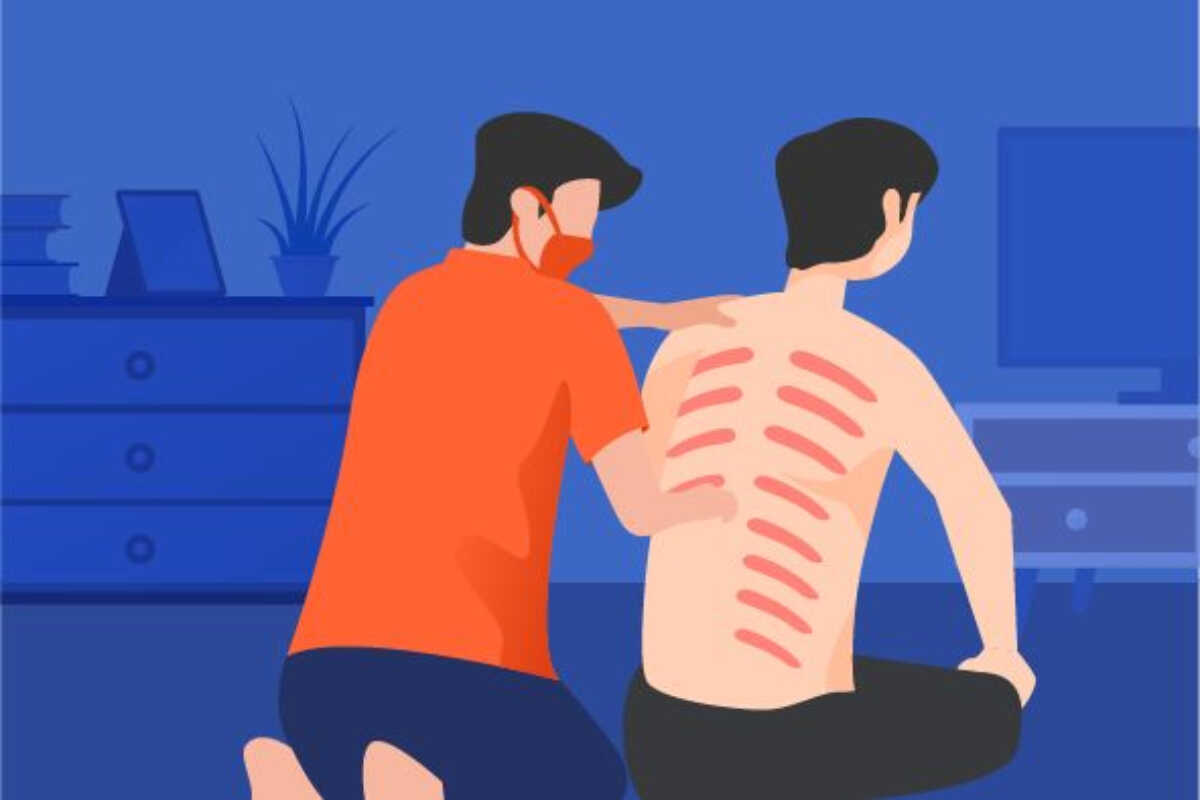
Kerokan is a traditional method of treatment performed by rubbing or scraping the skin’s surface with a coin or other blunt object coated in oil. In Indonesia, kerokan is often performed when someone feels unwell, has muscle aches, a mild fever, or feels generally uncomfortable. Excessive rubbing can cause excessive redness and irritation of the skin. Strong pressure can cause skin abrasions or even bleeding. Kerokan performed too often can cause bruising that lasts for a long time. Unclean tools can introduce bacteria into the pores. Sensitive skin can experience swelling or pain after being treated with kerokan. Kerokan performed too often can make the skin more prone to irritation. People with blood clotting disorders can experience serious bruising. Kerokan only relieves symptoms, it does not cure the underlying disease. If performed too vigorously, it can actually make muscles more tense. Repeated rubbing can remove the skin’s natural protective layer. Children’s skin is thinner, making it more susceptible to injury and bruising. Some people are allergic to the massage oils used. Relying on kerokan can cause someone to delay seeking medical attention when they have a serious illness. Kerokan can be performed carefully and in moderation. However, if the complaints do not improve or are accompanied by a high fever, it is best to see a medical professional immediately. (Z-4)
Source: alodokter, klikdokter
Kerokan is one form of traditional medicine that is widely used to treat the body when it feels unwell or what is commonly called ‘masuk angin’. The people of North Sumatra usually rely on Karo oil, while in North Maluku there is a spice concoction called Rorano.