
129 Tonnes of German Cowhide Suspected of FMD Destroyed in Bogor
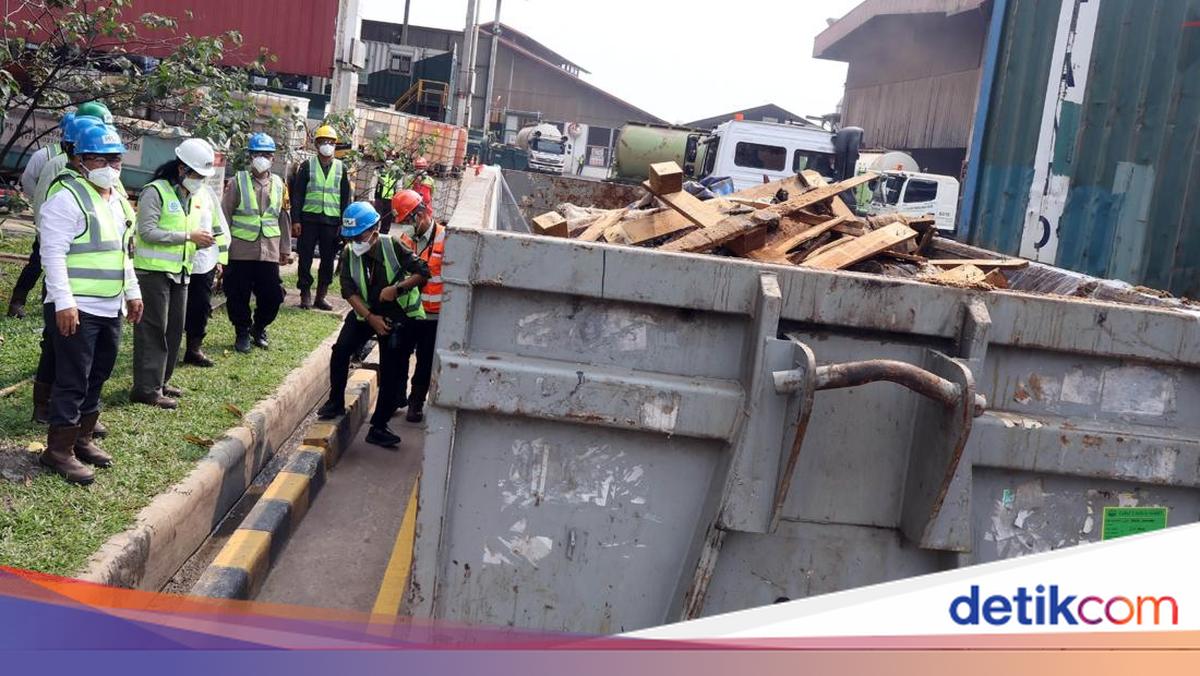
A total of 129,150 kilograms of cowhide suspected of carrying the quarantine animal disease foot-and-mouth disease, or foot-and-mouth disease (FMD), was destroyed at PT PPLI in Klapanunggal subdistrict, Bogor, West Java. The cowhide originated from Germany.
“Today, we witnessed the destruction of 129 tonnes, the import of cowhide from abroad into our country originating from Germany,” said Deputy for Animal Quarantine of the National Quarantine Agency (Barantin), Sriyanto, on Wednesday (15/4/2026).
The cowhide was intended to be distributed to various regions and used for non-food industries. Five out of 12 containers entering Indonesia were found to be indicative of the disease.
“It was found from our physical and laboratory examinations that there were positives, from five containers positive for foot-and-mouth disease or FMD, and one container positive for LSD disease,” he stated.
Both diseases have the potential to cause harm to the local livestock system. If left unchecked, they would cause losses for farmers.
“Therefore, this destruction is part of our efforts, especially through the Indonesian Quarantine Agency as the frontline at the entry points to prevent the entry of such diseases,” he explained.
According to him, this also supports President Prabowo Subianto’s Asta Cita programme, particularly in promoting and supporting our food self-sufficiency and independence programme.
“So, this destruction is part of a quarantine action to ensure that we prevent the entry of diseases into our country through media entering the country or imported carrier media,” he elaborated.
In the case of FMD, he said the country suffered losses of up to Rp 40 trillion. Meanwhile, for LSD disease, the country suffered losses of up to Rp 10 trillion.
“The FMD case entering our country has caused direct impacts of around Rp 40 trillion. Then LSD around Rp 10 trillion. That’s the impact if the disease enters,” he explained.
Efforts to prevent diseases from entering continue to be carried out. It is hoped that the impact of these diseases can be minimised so as not to harm the country.
“We strive to prevent and support the programme for controlling these diseases,” he concluded.