
12 kg LPG Price Rises 18%, Here's the Selling Price in West Java, Central Java, and DIY
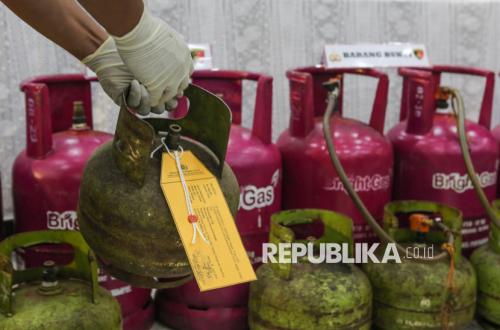
PT Pertamina Patra Niaga has raised the price of non-subsidised Liquefied Petroleum Gas (LPG) in 12 kg cylinders from Rp192,000 per cylinder to Rp228,000 per cylinder, an increase of 18.75%. This is the first price hike for LPG since 2023.
According to the official Pertamina Patra Niaga website, the Rp228,000 price for 12 kg LPG applies in Jakarta, Banten, West Java, Central Java, DI Yogyakarta, East Java, Bali, and West Nusa Tenggara. Other provinces will also see price adjustments based on distribution costs to their respective regions.
Meanwhile, the price of non-subsidised 5.5 kg LPG has also risen by 18.89%, from Rp90,000 per cylinder to Rp107,000 per cylinder in Jakarta, Banten, West Java, Central Java, DI Yogyakarta, East Java, Bali, and West Nusa Tenggara.
As with the 12 kg LPG, prices for 5.5 kg LPG in other regions will be adjusted based on distribution costs. These price adjustments take effect from 18 April 2026 and are the first since November 2023.
In November 2023, Pertamina reduced the price of 12 kg LPG to Rp192,000 per cylinder, a drop of Rp12,000 per cylinder. Irto Ginting, then Corporate Secretary of Pertamina Patra Niaga, stated that the LPG price adjustment followed an evaluation of the November 2023 Contract Price Aramco (CPA) trend, where the rupiah per kilogram (Rp/kg) unit price declined due to the weakening US dollar exchange rate against the rupiah.
Previously, Deputy Chairman of the MPR Eddy Soeparno noted that LPG prices are also influenced by soaring oil prices. The average Indonesian Crude Price (ICP) for March 2026 was set at US$102.26 per barrel, up US$33.47 per barrel from February.
Director General of Oil and Natural Gas at the Ministry of Energy and Mineral Resources (ESDM), Laode Sulaeman, explained that the ICP surge is linked to intensifying global geopolitical dynamics throughout March 2026. Laode stated that the rise in global crude oil prices was triggered by escalating conflicts involving the United States, Israel, and Iran, directly impacting the world’s energy supply.
One major factor is the disruption to global energy distribution routes, including the suspension of shipping through the Strait of Hormuz, which handles about 20% of the world’s oil supply. Additionally, various attacks on energy facilities in the Middle East have further worsened supply conditions.