
106 SPPG Units in East Lombok Closed, Deputy Regent Urges Improvements
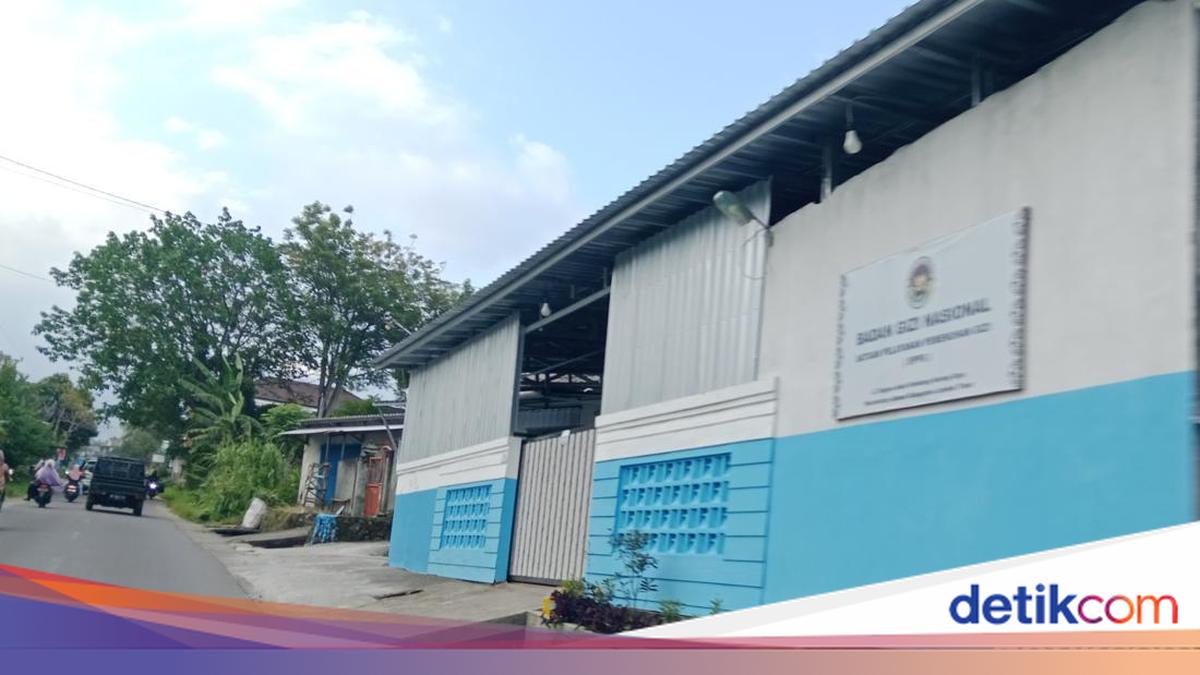
Deputy Regent of East Lombok, Moh. Edwin Hadiwijaya, has urged the Satuan Pelayanan Pemenuhan Gizi (SPPG) units to make prompt improvements. This comes in response to the closure of 106 SPPG units, or free nutritious meal kitchens (MBG), in East Lombok, West Nusa Tenggara (NTB). Edwin noted that the number of closed MBG kitchens in East Lombok is substantial, accounting for a third of the total 302 SPPG closures by the National Nutrition Agency (BGN) in NTB. “Looking at the data, this is not just one or two; 106 closed SPPG units is no small number. Therefore, we are asking for immediate improvements,” Edwin stated to detikBali via written remarks on Saturday (4/4/2026). Edwin explained that the BGN halted operations of the SPPG due to non-standard wastewater treatment installations (IPAL). “There are 75 SPPG with IPAL that do not meet standards, 15 without SLHS certificates, and 16 lacking both,” Edwin detailed. On the other hand, Edwin emphasised that the existence of SPPG has become an important part of the community’s economy. As of the end of March 2026, there were 243 active SPPG units in East Lombok, benefiting over 508,951 MBG recipients. “SPPG has a significant multiplier effect. It absorbs around 12,000 workers, and the daily money circulation can reach Rp7.5 billion,” he said. According to him, if SPPG operations are halted, even temporarily, the impact will be immediately felt by the community, from small shops and raw material suppliers to residents’ daily economy. The local government, Edwin continued, will carry out interventions focused on fulfilling SLHS through the Health Department and improving IPAL by the Environment and Cleanliness Department. “We are not just enforcing, but also nurturing. For those without SLHS, please process it at the Health Department. For those with non-standard IPAL, we will verify and assist,” he clarified. For SPPG units without IPAL, the government offers two options: assistance in construction or the use of fibre-based IPAL packages. He reminded kitchen managers not to use brokers for permit processing. “Do not use brokers; process it directly at the department,” Edwin stressed firmly.