
100 Working-Age Indonesians Support 45 Non-Working-Age Individuals
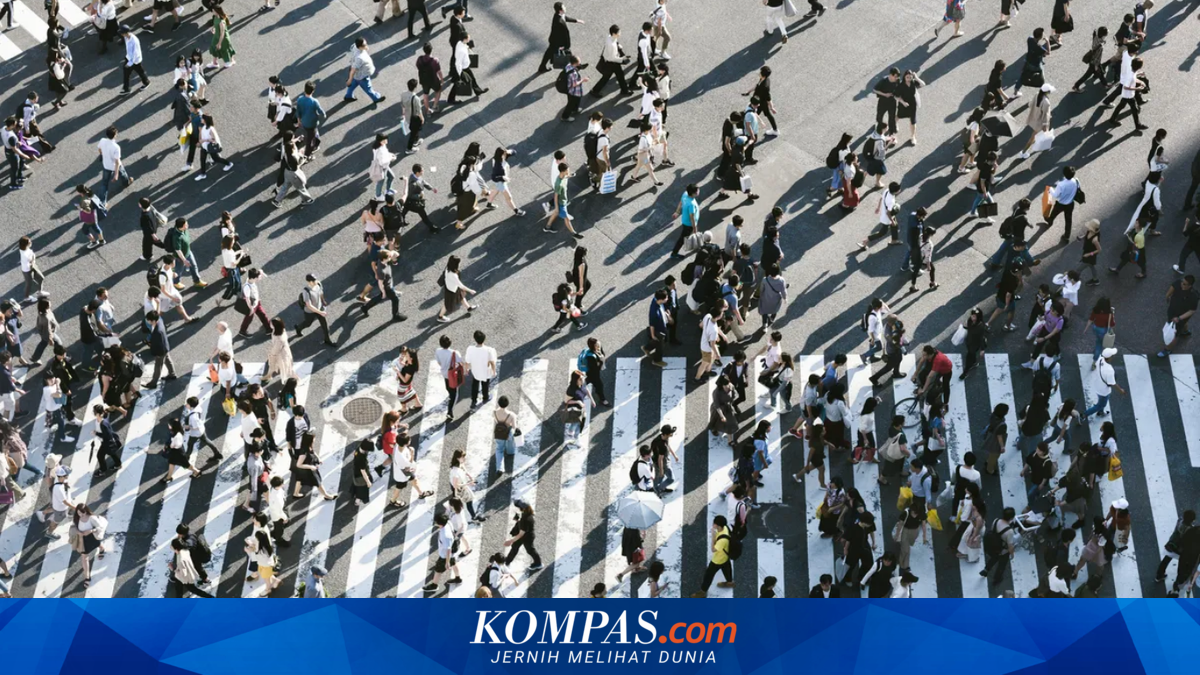
JAKARTA, KOMPAS.com – Indonesia’s demographic structure shows a new dynamic. On one hand, the number of working-age population still dominates. However, on the other hand, the burden borne by this group is beginning to increase, as reflected in the rising dependency ratio. The results of the 2025 Inter-Census Population Survey (SUPAS) released by Statistics Indonesia (BPS) record that every 100 working-age individuals now support around 45 non-working-age individuals. This figure is reflected in a dependency ratio of 45.05. “We need to be cautious because the dependency ratio is starting to increase. Indonesia is still experiencing a demographic bonus, but we have entered the phase of an ageing population since the proportion of elderly people is already above 10 percent, precisely 11.97 percent,” said Amalia during a press conference in Jakarta on Tuesday (5/5/2026). The dependency ratio is an indicator that describes the comparison between the non-working-age population, namely ages 0–14 years and 65 years and above, with the working-age population (15–64 years). Based on the 2025 SUPAS data, Indonesia’s dependency ratio reached 45.05. This means that for every 100 working-age people, there are about 45 non-working-age individuals who must be supported. However, the 2025 SUPAS results show that this trend has reversed direction with an increase to 45.05. This rise occurs amid conditions where Indonesia is still in the demographic bonus period. During the 2015–2025 period, the dependency ratio remained below 50, which generally indicates a larger proportion of working-age people compared to non-working-age. The 2025 SUPAS results show that around 68.94 percent of the population is in the 15–64 age range. This proportion has increased compared to a decade earlier. In 2010, the working-age population was recorded at 66.09 percent. Meanwhile, the young age group (0–14 years) experienced a decline in proportion from 28.87 percent in 2010 to 23.44 percent in 2025. Conversely, the elderly age group (65 years and above) increased from 5.04 percent to 7.62 percent over the same period.