
100-Metre Tsunami Hits Ambon, Killing 2,000; BMKG Issues Reminder
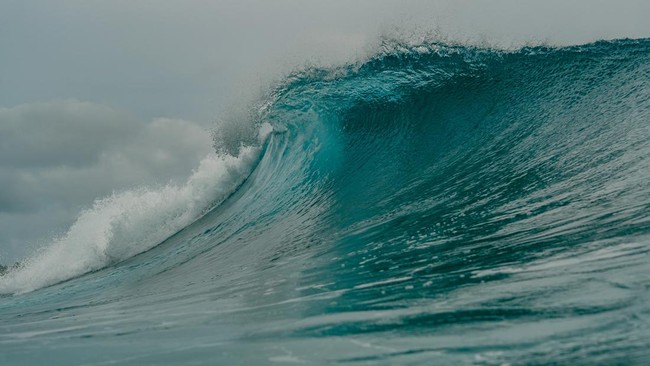
History records that Indonesia has a dark legacy of devastating natural disasters. Long before the 2004 Aceh tsunami, eastern Indonesia, specifically Ambon in Maluku, was devastated by a giant tsunami wave measuring 90-110 metres high.
This event, which occurred on 17 February 1674, has come under renewed attention following a reminder from the Meteorology, Climatology, and Geophysics Agency (BMKG) about the importance of disaster mitigation in the region. This is because the history of earthquakes and tsunamis in Indonesia forms a cycle that could repeat in the future.
The Ambon Megatsunami Tragedy
Based on historical records and BMKG data, a very large earthquake shook Ambon Island and its surroundings in the 17th century. The strong tremors then triggered an underwater landslide that caused tsunami waves hundreds of metres high.
“The earthquake’s force also resulted in a devastating tsunami, primarily along the northern coast of Ambon Island,” said Deputy for Geophysics, Nelly Florida Riama, during the webinar ‘Commemorating the Ambon Tsunami of 1674: A Valuable Slice of Colonial-Era History, Preparing for a Tsunami-Ready Ambon’, recently.
The Dutch scientist Georg Eberhard Rumphius (1627-1702) documented the event as having a profoundly terrifying impact. At least more than 2,000 people died, and many houses were severely damaged. The tsunami also caused severe damage to the northern coast of the Hitu Peninsula.
In light of these conditions, BMKG’s Director of Earthquakes and Tsunamis, Daryono, stated that Maluku is never free from earthquake phenomena. Many earthquake sources are recorded in the region.
Daryono also reminded about disaster mitigation so that the community can be aware and ready to respond to natural danger signs. This includes implementing programmes in Ambon and surrounding areas.
“Building capacity for community preparedness in defending themselves must be a sustainable programme in Ambon and its surroundings,” he explained.
Why Could It Reach 100 Metres?
Experts explain that this phenomenon is categorised as a megatsunami. Unlike ordinary tsunamis triggered by plate faults, the Ambon tsunami at that time is strongly suspected to have been exacerbated by a submarine cliff landslide due to the very strong earthquake shaking.
This mechanism can multiply the wave’s energy, making it far higher and more destructive in a very short time, leaving coastal residents with almost no time to save themselves.