
10,504 High School/SMK Graduates Participate in National Vocational Training 2026
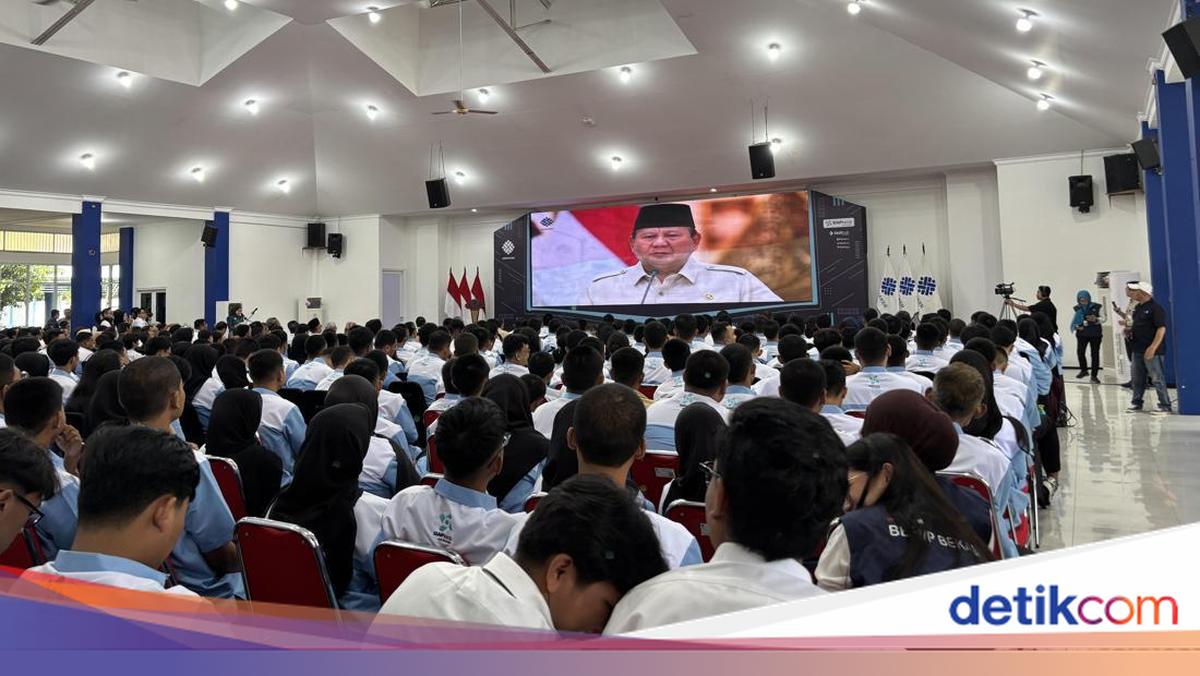
Minister of Manpower (Menaker) Yassierli has officially opened the National Vocational Training Batch 1 for 2026. This programme is attended by 10,504 participants who are graduates of high schools/SMK equivalents across Indonesia.
The opening event was centred at the Bekasi Vocational Training and Productivity Centre (BBPVP), West Java. Yassierli stated that this year’s training format has been intentionally made different from the centralised registration system.
“This year 2026, our format is somewhat different. We want the registration and the start of vocational training to be simultaneous, so we aim to provide equal opportunities to all job seekers,” Yassierli said in his speech at the BBVP Bekasi on Wednesday (8/4/2026).
Yassierli explained the reason for limiting participants specifically to high school/SMK graduates in this programme. This is done to allocate portions with university graduates who already have other pathways.
“We already have a programme for university graduates, an internship for 100,000 people. And now we have a special programme for high school or SMK graduates,” he clarified.
The thousands of participants are not gathered in one location but are spread across various units under the Ministry of Manpower (Kemnaker). In total, there are 50 to 60 vocational training locations throughout Indonesia.
For the 2026 fiscal year, the government targets a quota of up to 70,000 people through APBN funding. However, Yassierli mentioned that this figure could increase through cooperation schemes with the private sector or industry.
Yassierli revealed that half of the participants in the first wave of vocational training have already received job guarantees from industry. This workforce absorption commitment will apply to those who complete the training and obtain competency certificates.
“The most important thing is that 50 percent of the participants kicking off today, both offline and online, already have guarantees for employment. Of course, if they graduate and get the certificate,” he stated.
Participants who pass will not only receive training certificates but also competency certificates from the National Professional Certification Agency (BNSP). This certificate serves as authentic proof of their skills in the eyes of industry.
In addition, the government also provides support in the form of transportation allowance of Rp 20,000 per day for each participant. Considering the quite long duration of the training, from two weeks to four months, this support is expected to help participants’ mobility during the learning period at the training centres.
Opportunities for Overseas Job Placement
Yassierli hopes that the national vocational training programme can run effectively and meet industry needs. Not only domestic industry, but Yassierli also targets workforce absorption abroad.
“So many countries actually need workers from Indonesia, starting from medium-skilled ones, for example, those working in construction, hospitality, as caregivers, to engineers. And they really hope that the Ministry of Manpower can help with those opportunities,” he explained.
Yassierli stated that Kemnaker has sent tens of thousands of workers under internship schemes to Japan every year. He hopes similar schemes can be implemented in other countries that have held discussions, such as Qatar, Australia, Russia, and Switzerland.
“This is a great opportunity. The challenge is indeed language. Well, this is how we at the centres can also make language training more effective. And this has actually been instructed by the President,” he concluded.