
1.5 Million Pilgrims Undertake Hajj Amid War
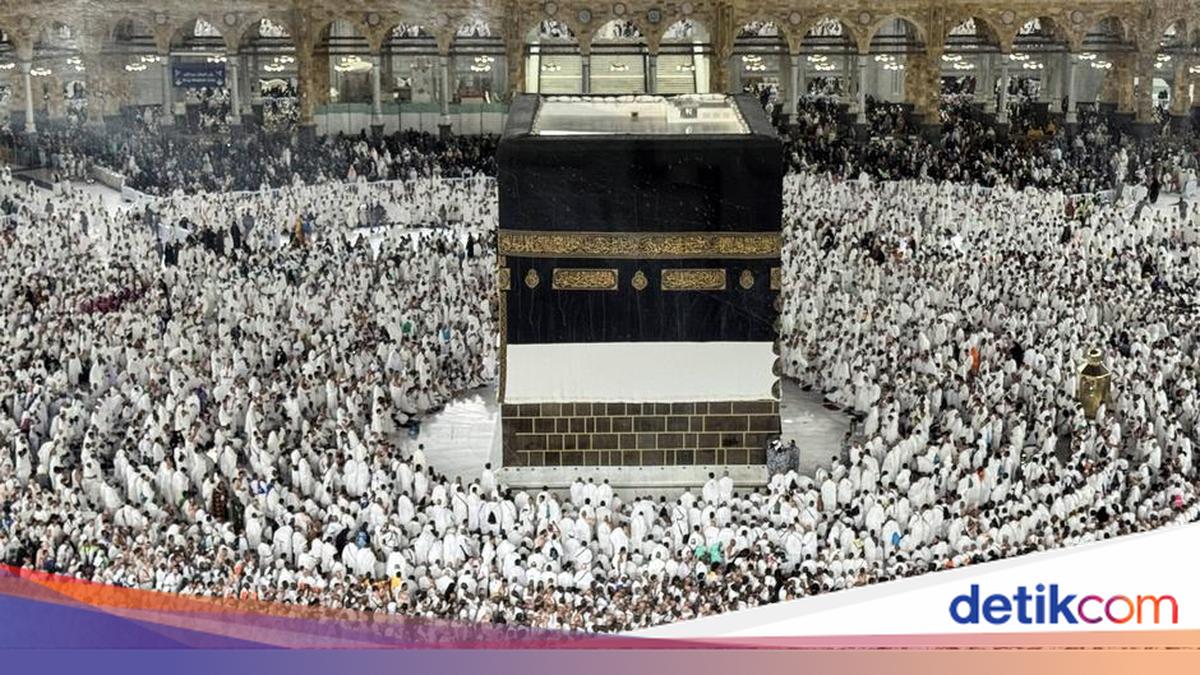
An annual ritual that attracts millions of Muslims to the city of Mecca to perform the pilgrimage that is obligatory once in a lifetime for those who can afford it became one of the world’s largest gatherings. This year, the Hajj took place from 25–29 May with around 1.5 million pilgrims expected to be present in Saudi Arabia. In the last three years, the number of pilgrims has ranged from 1.7 to 1.8 million.
Historians note that over more than 14 centuries, the pilgrimage has only been cancelled or curtailed about 40 times; the last time this happened was during the COVID-19 pandemic in 2020.
Managing more than a million pilgrims performing similar rituals within less than a week has always presented major logistical challenges. The Saudi government must regulate quotas through a lottery system for international pilgrims, secure the pilgrimage sites, organise flights, accommodation, food and water distribution, and healthcare services — all amid extreme temperatures that have claimed lives in the past.
This year, the situation is more complicated due to the war with Iran that erupted in late February after the United States and Israel attacked Iran. Tehran then retaliated by targeting Gulf countries and Israel.
Although a ceasefire is now in place, its stability remains in doubt. Last week, Saudi Arabia said it had intercepted three drones believed to have been launched by pro-Iranian militias from Iraq.
Travel advisories were multiplying.
2026 was also the first year that the United States government asked its citizens to reconsider undertaking the Hajj. Washington noted that non‑emergency US government employees had been ordered to leave Saudi Arabia since early March.
Germany, Britain, and several other European countries also issued travel warnings. They urged citizens to delay visiting Saudi Arabia during the conflict or to monitor the situation closely.
However, according to the Central Council of Muslims in Germany, pilgrims were generally not much affected by the geopolitical situation.
“They are motivated to fulfil their religious obligation,” a spokesman for the organisation told DW. “For them, this is far more than just an ordinary journey.”
Hajj itineraries are usually planned more than a year in advance and involve significant financial commitments, long before conflicts erupt. As such, canceling the trip remains a difficult decision.
The council said it had not heard of any German pilgrims cancelling their departure as a result of the Iran war. “Despite the uncertainties about the situation, pilgrims continue with their plans,” it said.
Countries with the largest numbers of pilgrims were cautious. Indonesia, for example, which this year sent around 221,000 pilgrims, had asked its citizens to postpone departure until the conflict became clearer.
But Indonesia and several other Muslim-majority countries later still gave the green light to pilgrims and continued travel services as normal. The Indonesian government even said it had prepared an emergency evacuation plan if needed.
Worries about mis-targeting
Analysts assess the likelihood of Iran deliberately targeting the Hajj as small. Such an act would be highly unpopular because the holy sites are revered by Muslims worldwide, while Iran itself is an Islamic theocracy.
Additionally, around 30,000 Iranian pilgrims are still expected to attend this year, though that figure is far below the normal average of about 87,000.
Nevertheless, other concerns persist, particularly the risk of mis-targeting or military accidents.
Recently, the Saudi authorities released photos showing Patriot missile systems deployed around the holy sites. Riyadh also highlighted layered air defences, including long-range missiles and anti-drone laser weapons.
However, analysts at the House of Saud’s media questioned the prospect of debris from missile interceptions falling in the vicinity of the worship area.
“Interceptions by Patriot, even when successful, can scatter debris across several square kilometres,” they noted in a report published last April. “During the Hajj season, every square kilometre within a 20-kilometre radius of the Masjid al-Haram will be crowded with pilgrims.”
They also warned about drones straying from their paths, or worse, if an attack or accident at Iran’s Bushehr nuclear reactor were to cause radioactive exposure moving towards Saudi Arabia.
“None of these scenarios require Iran’s intent to strike holy sites,” the report said.
Hajj costs rise
The Middle East conflict has also pushed up the cost of performing the Hajj. Jet fuel prices rose sharply. While several countries such as India, Indonesia, and Malaysia typically negotiate special Hajj flight rates, not all governments are willing to shoulder the higher costs demanded by airlines.
Indonesia chose to absorb the extra costs. In contrast, the Indian Hajj committee charged pilgrims about US$100 extra per person, according to the New York Times.
Countries with large numbers of pilgrims typically operate direct flights to Saudi Arabia. Yet pilgrims from other countries have faced airline route cancellations to the Middle East and closures of certain airspaces, making travel longer and more expensive.
Currency fluctuations and inflation also add to the financial pressures on budget-conscious pilgrims.
Saudi Arabia also requires foreign pilgrims to have travel insurance. The problem is many insurance policies do not cover military conflicts or wars. Policies that provide protection in conflict zones are generally much more expensive.
Several Muslim-majority countries have sought to help by negotiating cheaper insurance schemes for their pilgrims. Without additional war-related coverage, pilgrims must bear the costs themselves for injuries, flight changes, or other disruptions related to the conflict.