
1,256 Nutrition Service Units without Wastewater Treatment and Hygiene Certificates Suspended in Eastern Indonesia
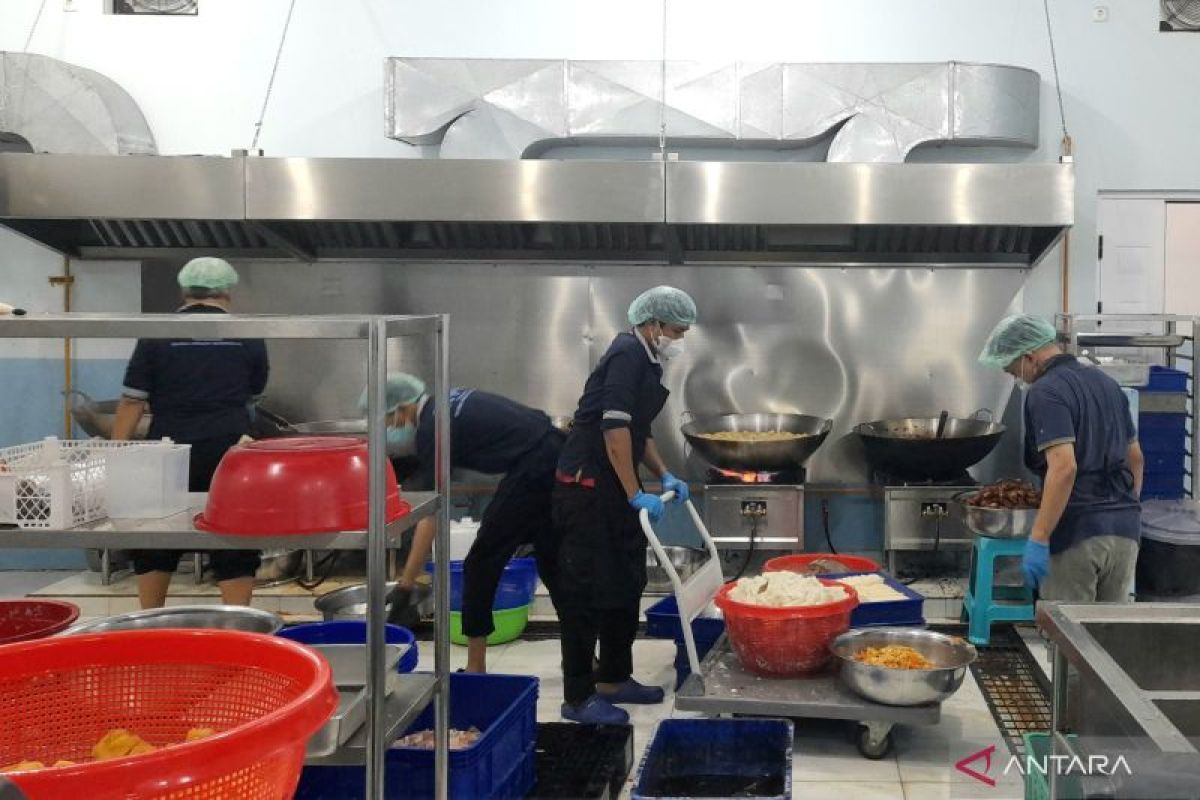
The National Nutrition Agency (BGN) has once again taken firm action by temporarily suspending the operations of 1,256 Nutrition Fulfilment Service Units (SPPG) in eastern Indonesia effective 1 April 2026. Rudi Setiawan, Director of Monitoring and Regional Supervision III at BGN, stated that the measure was implemented because the SPPG have not registered for Hygiene and Sanitation Certificates (SLHS) and do not possess Wastewater Treatment Installations (IPAL). “We want to ensure that all SPPG truly meet the standards, both in terms of food safety and waste management. This is crucial to protect the health of the beneficiaries,” Rudi said in Jakarta on Tuesday. According to him, possession of SLHS and IPAL is an absolute requirement that all SPPG must fulfil to guarantee food safety and maintain environmental hygiene standards in implementing the Free Nutritious Meals Programme (MBG). Rudi also emphasised that BGN continues to conduct regular monitoring and evaluation. SPPG that have met all requirements can resume operations after undergoing a verification process. “We encourage the suspended SPPG to immediately make improvements and complete the requirements. After that, they can reapply for verification to operate again,” he said. Previously, BGN also reminded all SPPG to implement the MBG programme in anticipation of the simultaneous resumption of the nutrition enhancement programme today. “Partners who engage in outrageous markups and pressure SPPG heads, nutrition supervisors, and financial supervisors will be requested by the deputy for monitoring and supervision to be suspended without incentives as it constitutes a serious violation,” she said. Nanik reiterated that the budget per MBG portion is Rp8,000-10,000. Markups on raw materials not only harm the programme but also undermine the primary goal of providing nutritional services to the community. According to her, partners who have received incentives should work according to the rules, rather than seeking excessive profits.