
1,000 Inactive BPJS Participants Can Still Receive Treatment Through RSA UGM Assistance, with HD and Cancer Patients Prioritised
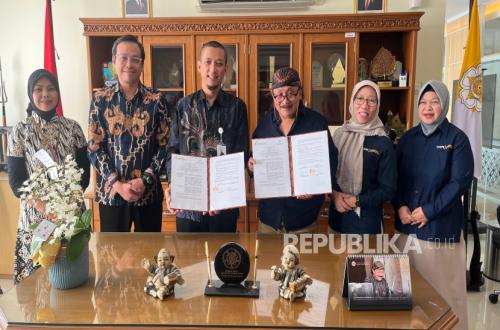
REPUBLIKA.CO.ID, SLEMAN – The Academic Hospital (RSA) UGM is preparing financial assistance for BPJS Kesehatan contributions for 1,000 participants of the National Health Insurance (JKN) programme whose membership has been terminated. This programme prioritises patients with three severe illnesses, namely haemodialysis (HD), heart conditions, and cancer, so that they can continue their treatment without being hindered by their BPJS membership status.
The Director of RSA UGM, Darwito, said that this programme is a form of the hospital’s participation in helping patients affected by the termination of their JKN membership. RSA UGM has even allocated a budget of around IDR 35 million per month to pay the contributions of the participants being assisted.
“We will help 1,000 people by paying their contributions because their membership has been terminated, but especially for patients who are already undergoing HD, because it would be a pity if they could not continue their treatment,” he said when met at RSA UGM after the signing of a cooperation agreement to increase the quota of the contribution assistance programme and the technical registration of participants with BPJS Kesehatan Sleman, Wednesday (13/5/2026).
In addition to HD patients, RSA UGM will also prioritise heart patients who have undergone stent placement and cancer patients who require long-term therapy. According to Darwito, these three groups of patients are at high risk if their treatment is interrupted due to their inactive BPJS status.
“We hope that the community can continue their therapy so that mortality and morbidity can be in line with what we expect,” he said.
Darwito said that this programme is currently prioritised for people in the Sleman area. However, RSA UGM is open to providing assistance to patients from other areas who have been receiving treatment at RSA UGM, such as Yogyakarta City, Bantul, Kulon Progo and Gunungkidul in the future.
He emphasised that this programme is not part of the hospital’s business, but rather a form of social care carried out through efficiency in various internal sectors of RSA UGM. “Yes, RSA UGM will pay the contributions. That’s why we will explore ways to raise funds and perhaps find efficiencies in other sectors that we can contribute to help those who are less fortunate,” he said.
This cooperation programme is carried out with BPJS Kesehatan, especially in providing data on inactive participants who are eligible for assistance. RSA UGM will then sort through this data to determine the priority patients who will receive assistance.