
Zulhas Urges All Parties to Protect Rivers from Source to Coast from Waste
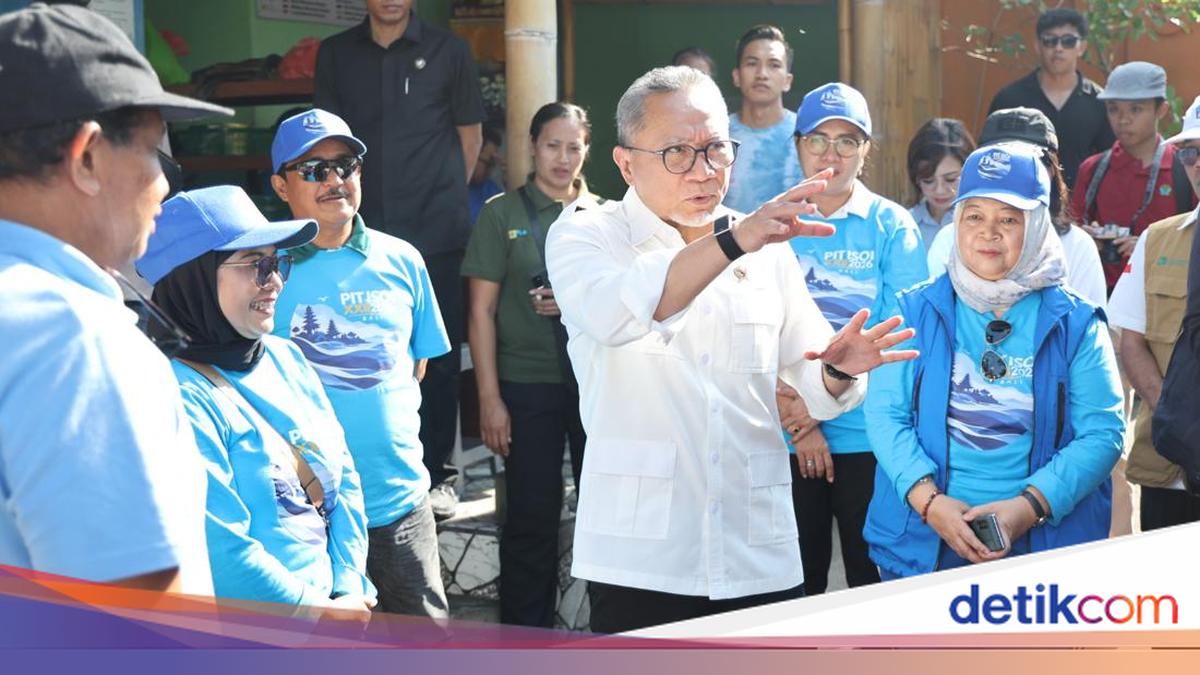
Coordinating Minister for Food Affairs Zulkifli Hasan (Zulhas) has urged the government, communities, academics, businesses and development partners to work together to prevent waste at source from polluting coastlines and the sea.
The effort is crucial to protecting food resources and people’s livelihoods amid the effects of climate change.
He made the appeal at a mangrove clean-up and the launch of the Sungai Lestari programme in Bali. The event linked mangrove restoration with efforts to prevent plastic waste leaking from land into the sea.
“Mangroves are a strategic national asset. These ecosystems protect coastlines and biodiversity, support local economies, and absorb and store carbon to mitigate climate change,” Zulhas said in a written statement on Friday (16 October 2026).
“That is why today’s action must go beyond cleaning up. We need to prevent waste leakage at its source, including waste carried by rivers to the sea,” he added.
He stressed that mangrove protection cannot be pursued in isolation. Preventing waste on land and in rivers must go hand in hand with protecting coastal ecosystems, from upstream to downstream.
At the event, Zulhas and the United Nations Development Programme (UNDP) officially launched the Sungai Lestari programme in Denpasar and Badung. The programme targets five regencies and municipalities across Indonesia to reduce waste leakage.
Zulhas also emphasised the importance of protecting the sea as a future food storehouse. He made the remarks at the gala dinner for the 22nd Annual Scientific Meeting of the Indonesian Association of Oceanologists (ISOI).
“A healthy sea is Indonesia’s food storehouse of the future, and science is the compass that will help us manage it wisely, fairly and sustainably,” he said.
Zulhas said mangrove protection cannot stand alone. Preventing waste on land and in rivers must be accompanied by protecting coastal ecosystems. An approach spanning upstream to downstream also helps safeguard natural resources that sustain fisheries, coastal economies and food security.
Together with the UNDP, Zulhas launched the Sungai Lestari programme in Denpasar and Badung. Running in five locations across Indonesia, it aims to reduce waste leakage from rivers into the sea while raising public awareness and encouraging changes in behaviour.
Zulkifli Hasan thanked UNDP Indonesia for its support in addressing river waste. He also praised the Indonesian Association of Oceanologists, particularly its chair, Nani Hendiarti, for organising the clean-up as part of the association’s 22nd Annual Scientific Meeting in Bali.
He said the programme’s sustainability would require the involvement of central and local government, communities, academics, businesses and development partners. As a global tourist destination, Bali can set an example for integrated waste management from upstream to downstream. Developing waste-processing infrastructure, including waste-to-energy facilities (PSEL), is part of that effort. However, infrastructure must be supported by discipline, behavioural change and active public participation so that waste can be prevented and managed sustainably.
“Protecting mangroves means protecting the coast, people’s livelihoods and the climate. Through the Sungai Lestari programme, we are promoting a shift from simply cleaning up waste to preventing it at its source,” he added.
The sea as a future food source
Efforts to protect coastal and marine ecosystems were in line with the message delivered by the Food Coordinating Minister at the gala dinner for the 22nd ISOI Annual Scientific Meeting in Bali on Thursday (15 October). In his speech, he stressed that ocean health is closely tied to Indonesia’s food future.
“A healthy sea is Indonesia’s food storehouse of the future, and science is the compass that will help us manage it wisely, fairly and sustainably,” Zulhas said.
After achieving its rice self-sufficiency target, the government has made meeting protein needs—especially from marine resources such as fish, prawns and seaweed—one of its priorities for strengthening national food security.
Indonesia is the world’s largest seaweed producer. This potential should be developed through downstream processing, including for organic fertiliser, healthy food or superfoods, bioethanol and biodiesel. Integrated research and development, including in collaboration with ISOI, is needed to add value to these resources.
Indonesia also has substantial blue-carbon potential, with 3.46 million hectares of mangroves and 660,000 hectares of seagrass meadows. Conserving mangroves, seagrass and coral reefs is important both to protect marine ecosystems and to support food supplies for future generations.
“Protecting mangroves, seagrass and coral reefs is, in essence, protecting the nation’s kitchen. Indonesia’s food future is not only planted in rice fields and farmland, but also cultivated, harvested and safeguarded in our seas,” Zulhas said.
Blue economy to bring greater value to communities
Zulhas stressed that the development of the blue economy should be reflected in improved welfare for coastal communities, including fishers. The government is building Merah Putih Fishing Villages, with a target of 1,269 villages in 2026 and 5,000 by 2029. Merah Putih Village and Urban-Village Cooperatives are expected to serve as economic hubs for communities from upstream to downstream.
Marine science and innovation are expected to improve the quality of fishery products, create added value and strengthen local economies while protecting the health of marine ecosystems.
Zulhas also congratulated the recipients of the Best Marine Researcher awards presented during the 22nd ISOI Annual Scientific Meeting. He said he hoped research findings would become easier to understand and apply, and create investment opportunities that support sustainable development.
Through the mangrove clean-up, the Sungai Lestari programme and the 22nd ISOI Annual Scientific Meeting, the government is encouraging collaboration to protect the environment from upstream to downstream and make the most of marine resources. The efforts are expected to contribute to a cleaner, greener Bali, strengthen the blue economy and safeguard the foundations of food security for communities and future generations.
Source: jawawa.id (https://jawawa.id/newsitem/zulhas-urges-all-parties-to-protect-rivers-from-source-to-coast-from-waste-1792162333)
Originally published by detikcom (https://news.detik.com/berita/d-8710750/zulhas-ajak-seluruh-pihak-jaga-hulu-sungai-hingga-pesisir-dari-sampah), translated from Indonesian