
Zulhas to Break Ground on Bekasi Waste-to-Energy Plant in Push to Resolve 70% of Waste Problem
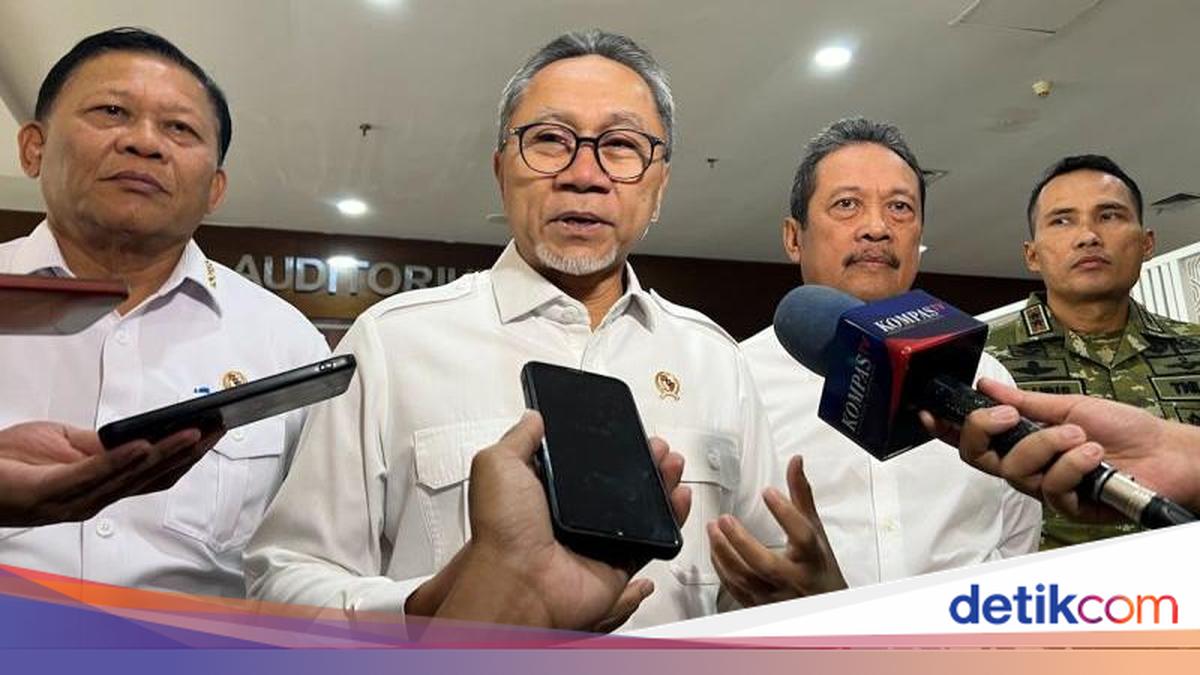
The government continues to demonstrate its seriousness in addressing the national waste emergency. Coordinating Minister for Food Zulkifli Hasan (Zulhas) has reaffirmed his commitment to achieving the target of resolving 70 percent of the waste problem by 2029 through a groundbreaking ceremony for the Waste-to-Energy Processing Facility (PSEL) in Bekasi City on 26 August 2026.
The Bekasi City PSEL project is one of the initial steps taken by the government to accelerate the construction of Waste-to-Energy facilities in 40 cities facing waste emergencies between 2027 and 2028. This large-scale waste management prioritises cities with waste volumes exceeding 1,000 tonnes per day in order to reduce the mountains of waste at final processing sites (TPA).
“For those that are in emergency status and large-scale, above 1,000 tonnes, we will build PSEL or Waste-to-Energy facilities. Previously, over 11 years only two permits were issued; now we have streamlined the process through a Presidential Regulation. Alhamdulillah, we are targeting completion in 2027-2028 for 40 cities facing waste emergencies,” said Zulhas in the #ZulhasBikinJelas programme with detikcom.
In addition to accelerating large-scale PSEL infrastructure such as the one in Bekasi City, the government is promoting independent waste processing schemes at various public facilities, including shopping centres, offices, and markets. Zulhas is optimistic that the combination of PSEL technology and waste separation at source will be able to resolve 70 to 80 percent of the national waste problem by 2029.
“We will complete this by 2029, and hopefully 70-80 percent of the waste problem will be resolved. The remaining 20 percent is at the household level, which indeed requires more time and education,” Zulhas explained.
The government has prepared two main strategies to achieve this target. Besides implementing PSEL (Waste-to-Energy) technology in large-scale cities, the government is also mandating waste separation at source in commercial areas and public facilities.
Zulhas added that resolving the waste problem is currently one of the government’s main priorities. He stressed that the success of the 2029 target depends heavily on the discipline of waste separation from the smallest level before it is transported to final processing sites.
Household waste management remains the biggest challenge for the government. Coordinating Minister for Food Zulkifli Hasan (Zulhas) acknowledged that household waste management requires considerably more time and a more intensive educational approach than the commercial sector.
“The remaining 20 percent is households, which requires more time. The key actually lies in waste separation. Currently, all waste is mixed together and transported, which is why mountains of waste appear and create new problems,” said Zulhas.
The government continues to push for the expansion of waste separation regulations at source through Gubernatorial Regulations (Pergub) in various regions, such as DKI Jakarta, West Java, Central Java, and East Java. Zulhas emphasised that establishing a culture of separating organic and inorganic waste starting from household kitchens is crucial to the success of waste processing.
Source: jawawa.id (https://jawawa.id/newsitem/zulhas-to-break-ground-on-bekasi-waste-to-energy-plant-in-push-to-resolve-70-of-waste-problem-1787568810)
Originally published by detikcom (https://news.detik.com/berita/d-8632847/kebut-70-sampah-tuntas-zulhas-bakal-groundbreaking-tpsel-di-bekasi), translated from Indonesian