
Zulhas Targets Waste Problem Resolution by 2028, Plans Conversion to Electricity
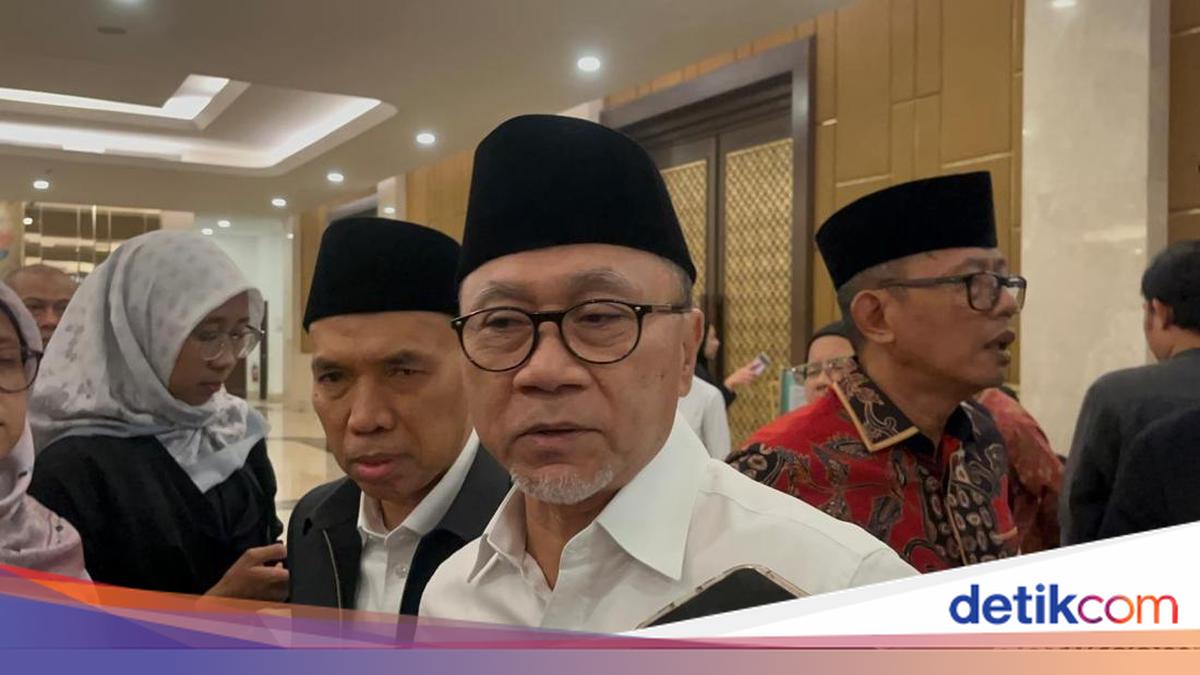
The Coordinating Minister for Food, Zulkifli Hasan (Zulhas), has set a target to resolve the waste issues that have persisted for decades. He aims to transform waste into electricity by 2028.
“Waste is indeed a problem for us. Even after more than 80 years of independence, it continues to cause significant issues. We can resolve this if we work together,” said Zulhas at the House of Representatives (DPR RI) in Senayan, Jakarta, on Monday (22/06/2026).
He noted that the waste problem has been categorised into different stages, expressing confidence that the most critical issues will be resolved by 2028.
“Therefore, we have divided the tasks. For emergencies such as Bantar Gebang, we will resolve them by 2028 at the latest through technology known as incinerators, where waste is converted into electricity. We will complete that by 2028,” he stated.
Furthermore, he plans to address waste management in offices, schools, and ministerial buildings by 2029, utilising various methods.
“Currently, for buildings managed by the MPR, DPR, as well as markets, malls, offices, and schools, we can resolve these by 2029 through several schemes, such as Refuse Derived Fuel (RDF) and gasification; there are many ways,” he added.
However, he acknowledged the difficulty in managing household waste. He emphasised that the key lies in waste sorting, similar to the approach implemented by the Governor of Jakarta, Pramono Anung.
“The final and more difficult part is indeed household waste. The key is sorting: organic and inorganic waste. Once separated, inorganic waste can be recycled or converted into energy and electricity. Meanwhile, organic or wet waste can be processed into fertiliser or animal feed, such as using maggots, among other methods,” he explained.
He urged other provincial governments to emulate Jakarta, where waste sorting is already underway.
“The key is sorting. If this movement becomes massive and the Jakarta model is copied by other local governments across Indonesia, I believe we can resolve 75 per cent of the waste in the country by the end of 2029,” he said.
“But once again, the keywords are sorting and a ‘stick and carrot’ approach. Those who do wrong should be punished, and those who do well should be rewarded. The laws are already in place. Open dumping is now a criminal offence; it is no longer permitted. Therefore, there must be strict law enforcement,” he concluded.