
Zulhas Promotes Banyuwangi Hijau Programme as National Model
The government continues to promote community-based waste management and circular economy as part of the national waste management transformation. One such effort is realised through the Banyuwangi Hijau Programme, which integrates waste handling from the household level to processing facilities.
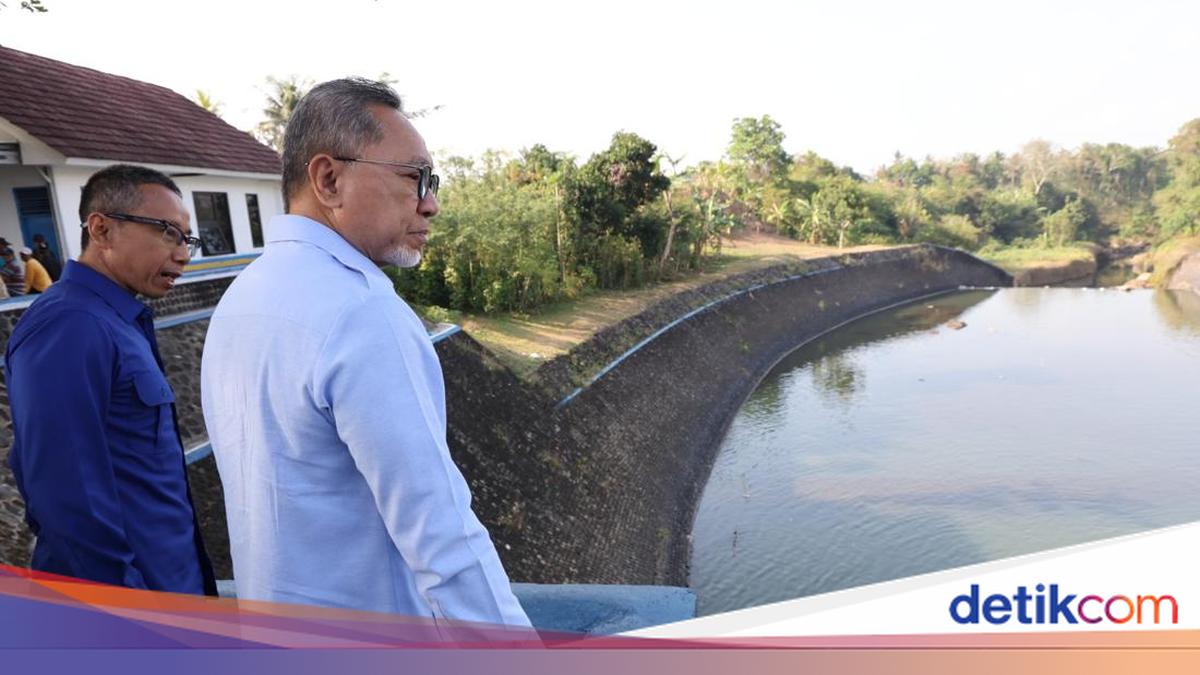
Coordinating Minister for Food Zulkifli Hasan (Zulhas) visited the TPS 3R Balak in Songgon District, Banyuwangi, on Thursday (20/8), and witnessed the handover of waste management support assets. Banyuwangi Hijau is the result of a collaboration that has been running since 2018 through Project STOP in Muncar District and has since expanded with support from international partners. In the first and second phases, Austria and Norway supported infrastructure development, including the construction of the Balak TPST with a capacity of up to 80 tonnes per day.
Entering the third phase in 2024, funding support from the United Arab Emirates (UAE) is directed at strengthening the system from upstream to downstream, including public education, sorting at source, provision of facilities, transportation of sorted waste, and processing to increase material utilisation and reduce residue.
“Banyuwangi is among the best in waste management. That is why there has been a lot of assistance handed over from various parties, including Austria, Norway, and the United Arab Emirates (UAE), because its waste management is considered good,” said Zulkifli Hasan in a written statement on Friday (21/8/2026).
Service strengthening was also marked by the handover of 44 vehicles, consisting of 21 tricycles, 16 pick-ups, 2 armroll trucks, and 5 container trucks. The fleet will support collection and transportation from residents’ homes to processing facilities.
The Banyuwangi Hijau model treats waste as a resource that can be sorted, processed, and reused. This community-based approach is considered suitable for areas with small to medium waste generation.
Meanwhile, urban areas with large waste generation require higher-scale solutions. The government is encouraging the use of technology, including Waste-to-Energy Processing (PSEL) for cities with waste generation above 1,000 tonnes per day.
“Through synergy between the government, the community, and development partners, Banyuwangi is targeted to achieve 100 per cent waste service coverage by 2028 or sooner. This achievement is expected to strengthen Banyuwangi as one of the national models in building an integrated, sustainable, and circular economy-based system,” he concluded.
The activity was also attended by Banyuwangi Deputy Regent Mujiono, officials from the Banyuwangi Regency Government, and partners of the Banyuwangi Hijau Programme, including Systemiq Lestari Indonesia.