
Zulhas Outlines KDKMP’s Two Main Roles for Rural Communities
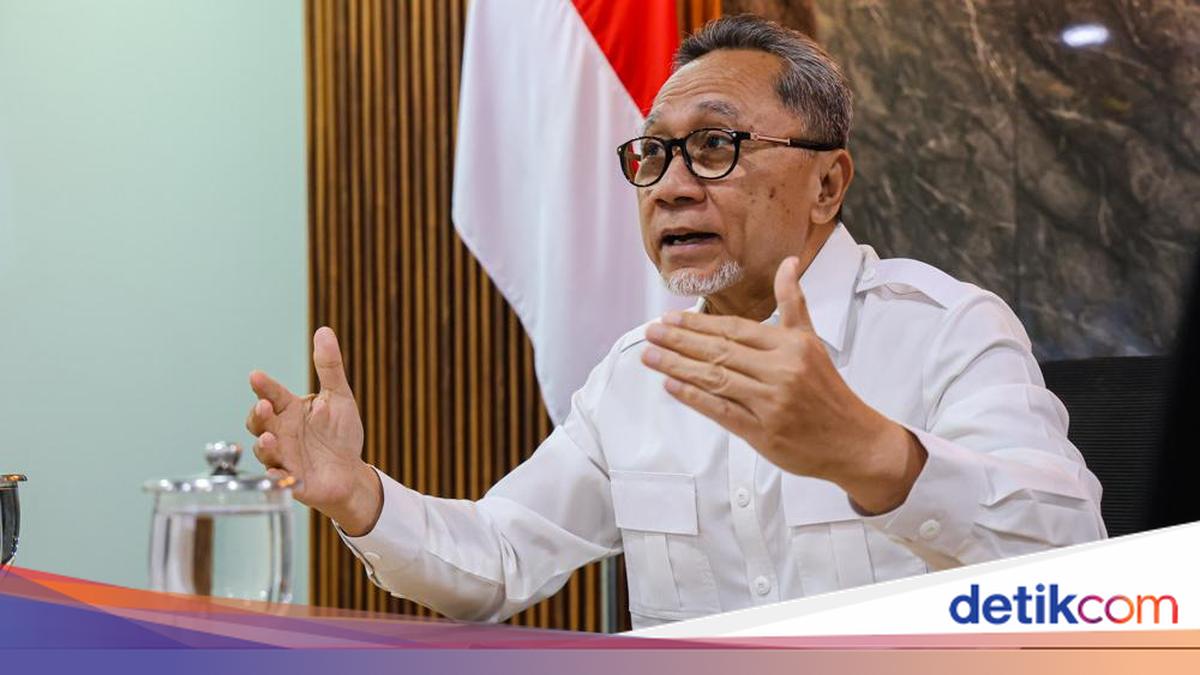
Indonesia’s Coordinating Minister for Food Affairs, Zulkifli Hasan, known as Zulhas, has stressed that Merah Putih Village/Urban-Ward Cooperatives (KDKMP) have two main roles: serving as government infrastructure to meet rural communities’ needs, and acting as offtakers that collect and buy local residents’ produce.
Managers have therefore been asked to prioritise the cooperatives’ public-service role, particularly by ensuring that subsidised goods are available and distributed in accordance with regulations to eligible recipients.
“Focus KDKMP on its role as government infrastructure for distributing subsidised goods to those entitled to receive them. KDKMP must provide a tangible service to residents and connect village produce with markets,” Zulhas said in a written statement on Monday (26 October 2026).
He made the remarks while speaking with around 26,000 KDKMP managers at an event titled ‘Connecting with KDKMP Managers Across Indonesia’ on Monday (26 October). The dialogue was part of the government’s oversight of KDKMP operations and an effort to gather feedback on problems managers face in the field.
During the discussion, managers from Banyumas, Kediri and Blitar raised concerns about inconsistent supplies and the need for operational funding. Zulhas said the feedback would inform monitoring and evaluation.
Zulhas plans to hold weekly KDKMP evaluation meetings and regular discussions with managers to monitor progress and follow up on problems.
“KDKMP is a new programme involving a major undertaking that we must carry out together. There will inevitably be challenges in its implementation,” he said.
“That is why I want to hear reports directly from managers, record the problems and regularly assess follow-up action,” he added.
To address supply difficulties, Zulhas urged managers to coordinate actively with Agrinas and the nearest state-owned suppliers. Direct coordination in each area could speed up stock checks and the resolution of operational problems.
Managers can also use Agrinas Area PICs as points of contact, sources of technical assistance and channels for escalating issues.
According to Zulhas, problems do not always have to wait for decisions from the centre, as that process can take time. Managers should take the initiative in their areas, coordinate with relevant parties and report developments so that issues can be dealt with more quickly.
Managers oversee KDKMP’s day-to-day operations in coordination with the cooperative’s board and the village head or urban-ward head, who acts as supervisor. Together with the board, managers also report on business progress, financial conditions, management readiness, problems and follow-up measures.
There are currently 28,787 KDKMP cooperatives, of which 10,070 are operating. The government wants to ensure that those in operation genuinely benefit residents, by improving access to basic necessities and subsidised goods while helping economic activity grow in villages.
“KDKMP must be active and deliver tangible benefits. We will oversee it together to ensure these cooperatives serve residents promptly, strengthen village economies and create opportunities for local communities,” he said.