
Zulhas Opens PAPEDA Summit 2026, Promoting Progress and Peace in Papua
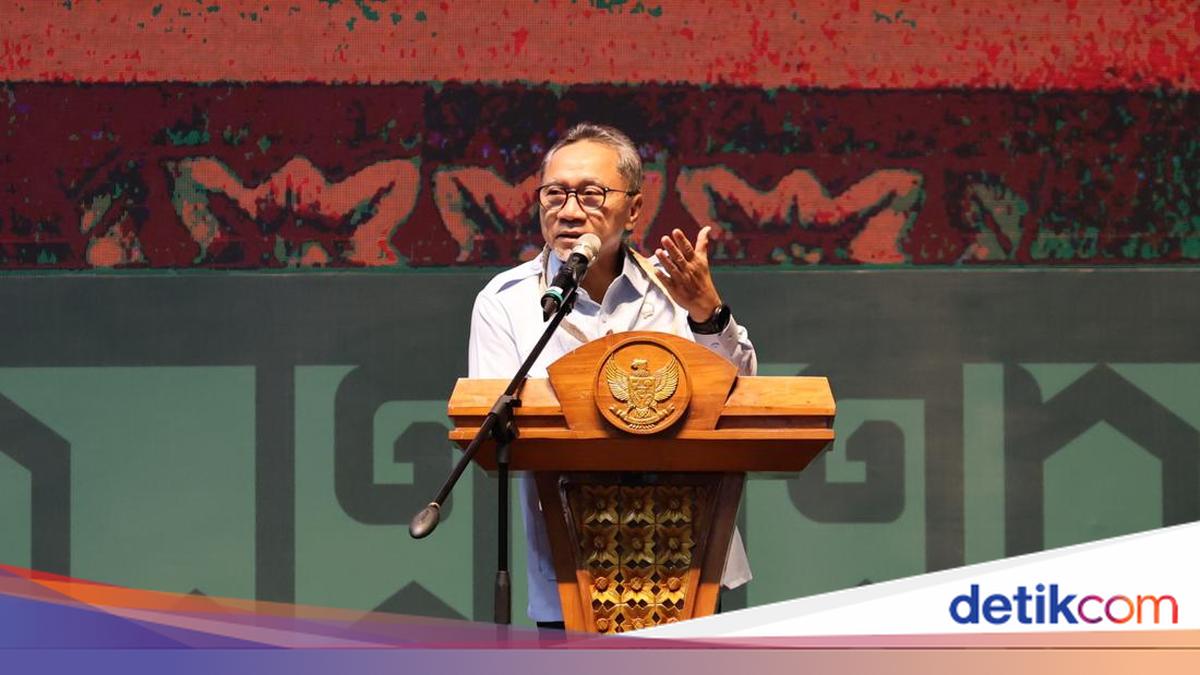
The Coordinating Minister for Food, Zulkifli Hasan, officially inaugurated the PAPEDA Summit 2026, themed “Papua Action for Development, Economy, and Sustainable Nature,” in Sorong, Southwest Papua. The forum was attended by the Governor of Southwest Papua along with 56 development partners and donor agencies.
Zulkifli Hasan, also known as Zulhas, emphasised the government’s commitment to providing extensive opportunities for dialogue with regional governments, the Papuan people, and all stakeholders. Such dialogue is deemed essential to determine a development direction that meets community needs while preserving Papua’s natural and marine wealth.
According to the Minister, the development of Papua requires communication and cooperation between the central government, regional governments, indigenous communities, development partners, and all relevant stakeholders.
“I am willing to dialogue, communicate, and facilitate. We want Papua to progress and to be peaceful. The PAPEDA Summit must serve as a space for us to speak together about what Papua truly needs and what the central government can do to accelerate it,” Zulkifli Hasan stated in a written release on Thursday (3/9/2026).
Zulhas noted that he visits Papua almost every month to personally monitor the progress of various government programmes. He asserted that Papua’s development policies must stem from the real issues faced by the community as well as the potential inherent in each region.
A primary focus of the government is ensuring that the Papuan people can access food at affordable prices. He stated that Papuans should not have to pay more for food simply due to connectivity and distribution issues.
“Our task is to oversee food security. We must ensure the Papuan people do not have to pay higher prices for food. For this purpose, the National Food, Energy, and Water Self-Sufficiency Area (KSPEAN) in South Papua is being developed by involving local communities, while still protecting forest areas and indigenous territories. Our hope is that, moving forward, more of the food needs of the Papuan people will be produced and fulfilled from within Papua itself,” said Zlyufli.
In addition to food security, Zulhas highlighted the welfare of fishermen, who he noted still require greater support and a strengthened business ecosystem.
“Our fishermen are the most disadvantaged, with a terms of trade of only 103, falling within the first to second decile. This means that without social assistance, they cannot eat. Therefore, we are establishing the Merah Putih Fishermen’s Cooperative, including one in Biak. With a supportive ecosystem, we hope the fishermen’s terms of trade will rise to 120 by next year, 2027,” he added.
As the Chairman of the Steering Committee of the Environmental Fund Management Agency (BPDLH), Zulhas also addressed several improvements needed to ensure that the approximately Rp22 trillion managed by the BPDLH can be disbursed promptly.
“Funds must not be stalled by regulations that lead to unnecessary meetings. Environmental funds must be immediately available for the maintenance of the environment and the communities surrounding these areas, including the Papua region,” Zulkifli asserted.
Zulhas stated that President Prabowo Subianto is giving significant attention to accelerating development in Papua. This commitment is being realised through various government policies and programmes, including the Executive Committee for the Acceleration of Papua Special Autonomy Development (KEPP OKP).
He noted that such programmes must be continuously strengthened through coordination between the central and regional governments. All development programmes must ultimately aim for a single goal: ensuring that Papua’s wealth and potential provide the greatest possible benefit to the local population.
“Papua possesses extraordinary natural wealth and potential. However, the measure of development success is not merely how much of that potential we can manage. The ultimate measure is how much benefit is felt by the people of Papua,” he concluded.