
Zulhas Inspects Bali’s Rp3 Trillion Waste-to-Energy Project: Here’s the Progress
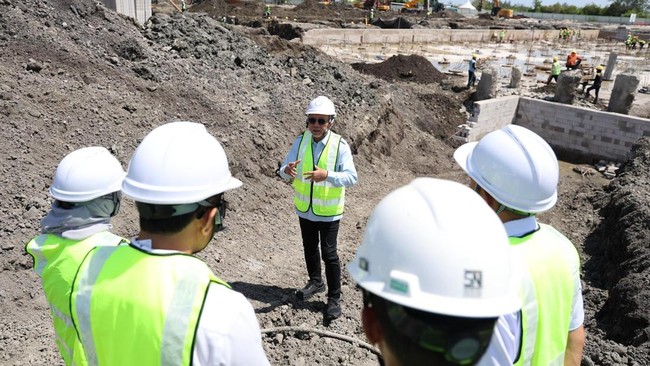
Construction of the Denpasar Raya Waste-to-Energy (PSEL) facility in Bali has reached 26.7% completion, four months after the groundbreaking on 8 July 2026.
Co-ordinating Minister for Food Zulkifli Hasan, known as Zulhas, inspected progress at the site. The government said the waste-to-electricity project was on schedule.
“Progress has passed 26%. People can see that our policy to resolve the waste emergency is genuinely under way. God willing, physical construction will be completed by the end of 2027,” Zulhas said in a statement quoted on Thursday (26 November 2026).
Zulhas said the facility was part of a change in the government’s approach to waste management. Waste that has been piling up and potentially harming the environment will instead be processed into electricity.
“What used to be mountains of waste, posing a potential danger to the environment, will now be turned into electricity. This brings major benefits. Waste that is toxic, causes air pollution, contaminates our water sources, leads to disease and contains microplastics will be turned into electricity. The facility can light 50,000 homes, employ around 1,000 people and process 500,000 tonnes of waste a year,” he said.
Dimas Adi Wibowo, chief operating officer of PT Daya Energi Bersih Nusantara (Denera), said the reported progress was measured against several indicators. These included completion of construction drawings, orders for major equipment, piling work that was close to completion, and the start of construction on the waste bunker.
The Denpasar Raya PSEL is being built with an investment of about US$162 million, or nearly Rp3 trillion. The facility will have the capacity to process up to 500,000 tonnes of waste a year, or around 1,500 tonnes a day.
It is expected to generate 240 GWh of electricity annually, enough to meet the needs of about 50,000 households. The project is also expected to employ around 1,000 people during construction and operation.
The government has also highlighted the facility’s environmental standards. The Denpasar Raya PSEL is designed to use technology meeting strict emissions requirements. Emissions for 10 pollutant parameters are targeted at no more than 50% of European Union limits and between 50% and 99% below Indonesia’s national standards.
The Denpasar Raya PSEL is among the projects being promoted by the government to address the waste emergency. It is also accelerating construction of similar facilities in several areas, including Bekasi, Bogor, Palembang and Legok Nangka in West Java.
Overall, the government aims to establish 13 new PSEL sites.
Source: jawawa.id (https://jawawa.id/newsitem/zulhas-inspects-balis-rp3-trillion-waste-to-energy-project-heres-the-progress-1795686693)
Originally published by CNBC Indonesia (https://www.cnbcindonesia.com/news/20261126144827-4-788778/zulhas-cek-proyek-sampah-jadi-listrik-rp3-t-di-bali-begini-progresnya), translated from Indonesian