
Zuckerberg Pivots After Smart Glasses Face Intense Criticism
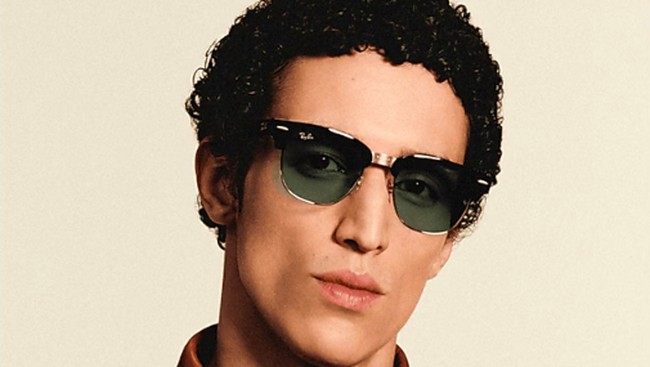
Meta has begun altering its smart device innovation strategy after its AI-based glasses came under sharp scrutiny due to privacy concerns. Meta CEO Mark Zuckerberg introduced several new devices, including a handheld gadget named Meta Charm and smart glasses without cameras.
At Meta’s annual Connect event in Menlo Park, California, Zuckerberg introduced Meta Charm, a small device roughly the size of an AirPods case, equipped with a 2-inch touchscreen and 5G connectivity. The device is specifically designed to run an AI assistant named Muse. Meta plans to begin marketing Meta Charm in December 202<0xA0>6, although it has not yet disclosed the price range.
“We have packed the entire Muse experience, including the full audio system and real-time avatars, into something that can be attached to a keychain and is always ready to talk,” said Zuckerberg, as reported by Reuters.
This move indicates that Meta is expanding its AI hardware portfolio beyond smart glasses. Currently, various technology companies in Silicon Valley are racing to develop smartphone alternatives that rely on AI assistants capable of seeing, hearing, and responding to their surroundings.
Furthermore, Meta is expanding the integration of Muse into its smart glasses line. The AI assistant is now equipped with the ability to use computers and connect with various major services and retailers such as Walmart, Best Buy, and Gap. Meta stated that Muse will serve as the primary interface for their smart glasses. Through this feature, users will be able to shop, make appointments, and complete various daily tasks using only voice commands.
Camera-Free Glasses Following Criticism
Alongside these developments, Meta also introduced Ray-Ban Meta Audio, a variant of smart glasses designed without a camera. The device will still feature audio recording capabilities and will go on sale on 13 October, with prices starting from US$349. This price is US$100 cheaper compared to the latest Ray-Ban Meta version which still includes a camera.
Meta’s decision to remove the camera comes amidst a rising wave of privacy criticism regarding AI devices that can record others without consent. Previously, Meta faced legal lawsuits regarding privacy and bans on the use of similar devices in several locations in the United Kingdom.
“Meta is indeed attempting to address some privacy issues, but the potential for misuse or audio recording without consent remains. That is the core of the problem. It is all about the issue of consent,” said Jitesh Ubrani, Director at market research firm IDC.
According to him, Meta still needs to find more effective solutions to signal or notify others when they are being recorded, even if the device is only recording audio.
On the other hand, Meta stated that privacy concerns are not the sole reason behind the removal of the camera. The camera-free design also allows the company to produce thinner glasses with longer battery life, reaching approximately 12 hours of use on a single charge, an increase from the nine hours provided by the third-generation Ray-Ban Meta.
Source: jawawa.id (https://jawawa.id/newsitem/zuckerberg-pivots-after-smart-glasses-face-intense-criticism-1790240174)
Originally published by CNBC Indonesia (https://www.cnbcindonesia.com/tech/20260924121659-37-770523/zuckerberg-menyerah-setelah-kacamatanya-dihujat-habis-habisan), translated from Indonesian