
Zoonosis Threat: How Climate Change Forces Viruses to 'Move House' to Humans
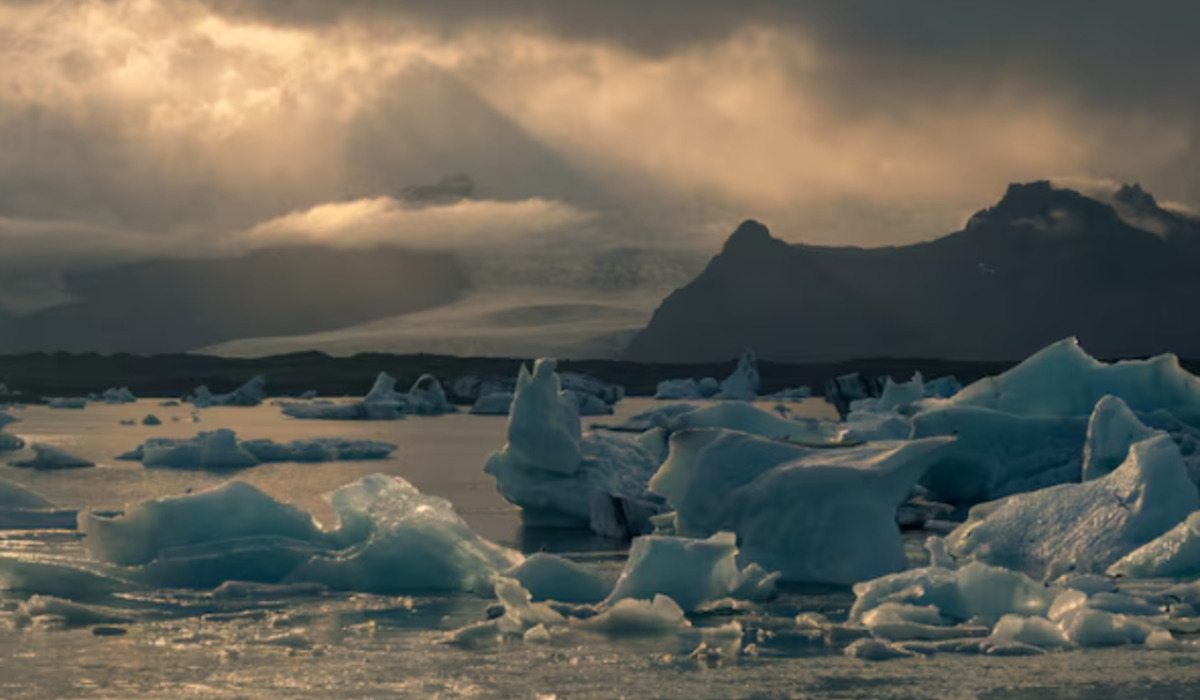
The world is currently facing a phenomenon scientists call ‘pathogen habitat shift’. Climate change is not merely a matter of rising sea levels or extreme weather, but a primary catalyst forcing thousands of viruses to seek new hosts. This phenomenon creates new transmission pathways from animals to humans, known as zoonosis.
As the earth’s temperature rises, ecosystems undergo massive disruption. Animals that previously lived in isolation in tropical forests or polar regions are now forced to migrate to cooler areas or seek new food sources closer to human settlements. This is where the risk of spillover becomes a real threat to global health. When forests are cleared, the distance between wildlife habitats and human settlements shrinks. Animals like bats, known as natural reservoirs for many viruses including coronaviruses, often lose their homes and move to plantations or urban areas.
Increasingly intense interaction between humans, livestock, and wildlife in climate-stressed environments creates a ‘natural laboratory’ for viral evolution. This risk is highest in regions with high biodiversity undergoing drastic land-use changes, such as Southeast Asia and the Amazon basin. Researchers estimate there are approximately 1.6 million unidentified viruses in mammals and birds, about half of which have the potential to infect humans. Tackling the zoonotic threat in the era of climate change requires a holistic approach, as human health can no longer be viewed separately from animal and environmental health.