
Zero ODOL Policy Could Serve as Gateway to Logistics Ecosystem Reform
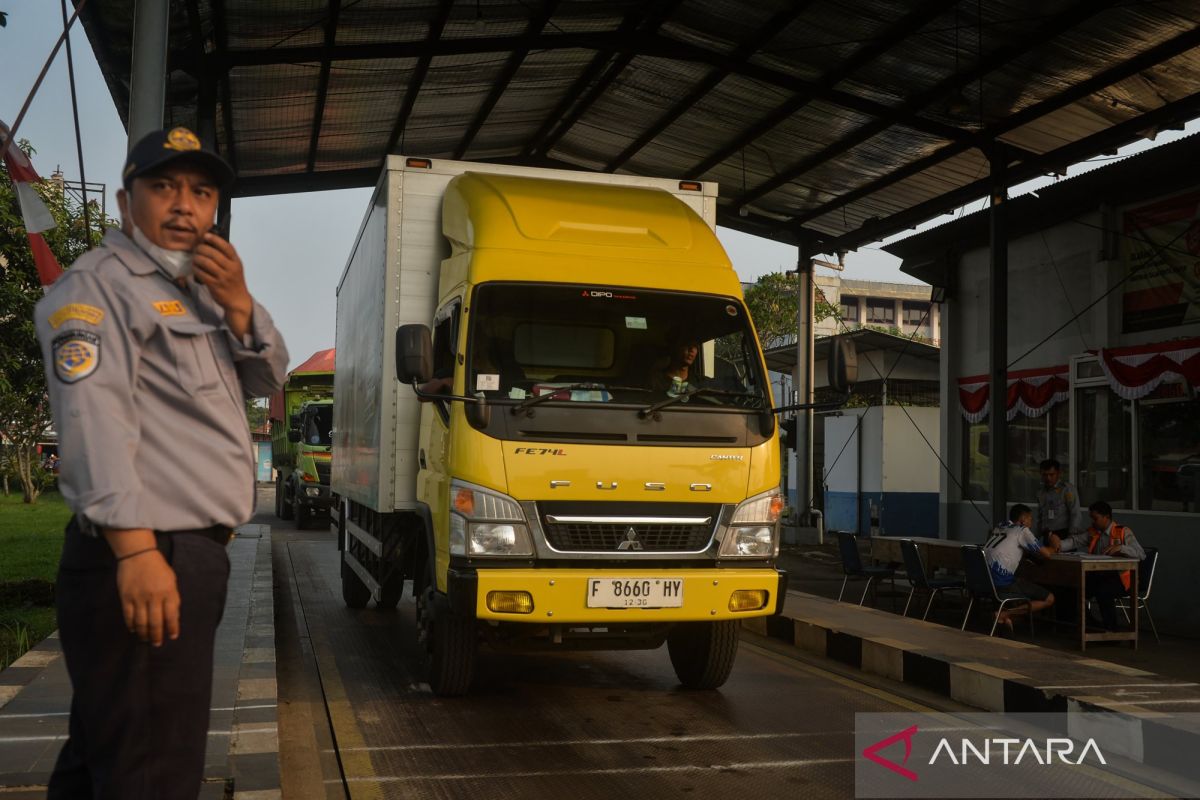
Jakarta (ANTARA) - Automotive observer Yannes Martinus Pasaribu has stated that the implementation of the Zero Over Dimension Over Loading, or Zero ODOL, policy in freight vehicle operations could serve as a “gateway” for the reform of the domestic logistics industry ecosystem.
“Zero ODOL needs to run alongside fleet rejuvenation, cargo consolidation, route efficiency, and the strengthening of rail modes. Therefore, Zero ODOL should be an entry point for a profound reform of the logistics industry ecosystem, rather than merely a programme for enforcing penalties on overloaded vehicles,” he told ANTARA on Wednesday.
The government has undertaken various preparations, including enhancing monitoring systems and coordination in freight transport regulation, in order to implement the Zero ODOL policy starting in 2027.
According to Yannes, the implementation of the Zero ODOL policy could encourage freight transport operators to operate vehicles according to their specifications if the economic benefits of violations are smaller than the costs of compliance.
He noted that changes in freight vehicle operations will occur when compliance with regulations becomes part of business calculations, rather than just a response to enforcement actions.
Therefore, he emphasised the importance of applying consistent policies and regulations regarding the operation of freight transport vehicles.
“Thus, 2027 should be the point of policy consistency. However, implementation can still be carried out gradually with a clear schedule, priority sectors, and transition mechanisms,” he said.
Freight operators who comply with load limit regulations may require additional vehicles or trips to transport the same volume of goods; consequently, inconsistent enforcement could lead to disparities in operating costs between different business players.
To prevent such gaps from emerging, monitoring and law enforcement must be intensified to ensure all business actors comply with the provisions and that every violator is sanctioned.
According to Yannes, the supervision of freight vehicle operation regulations needs to encompass drivers, transport companies, and cargo owners.
He also highlighted the need to prepare supporting policies for the Zero ODOL implementation, including policies regarding the financing of fleet rejuvenation, the improvement of logistics efficiency, and the enhancement of rail-based freight transport.