
Zakat Reaching the Most Vulnerable
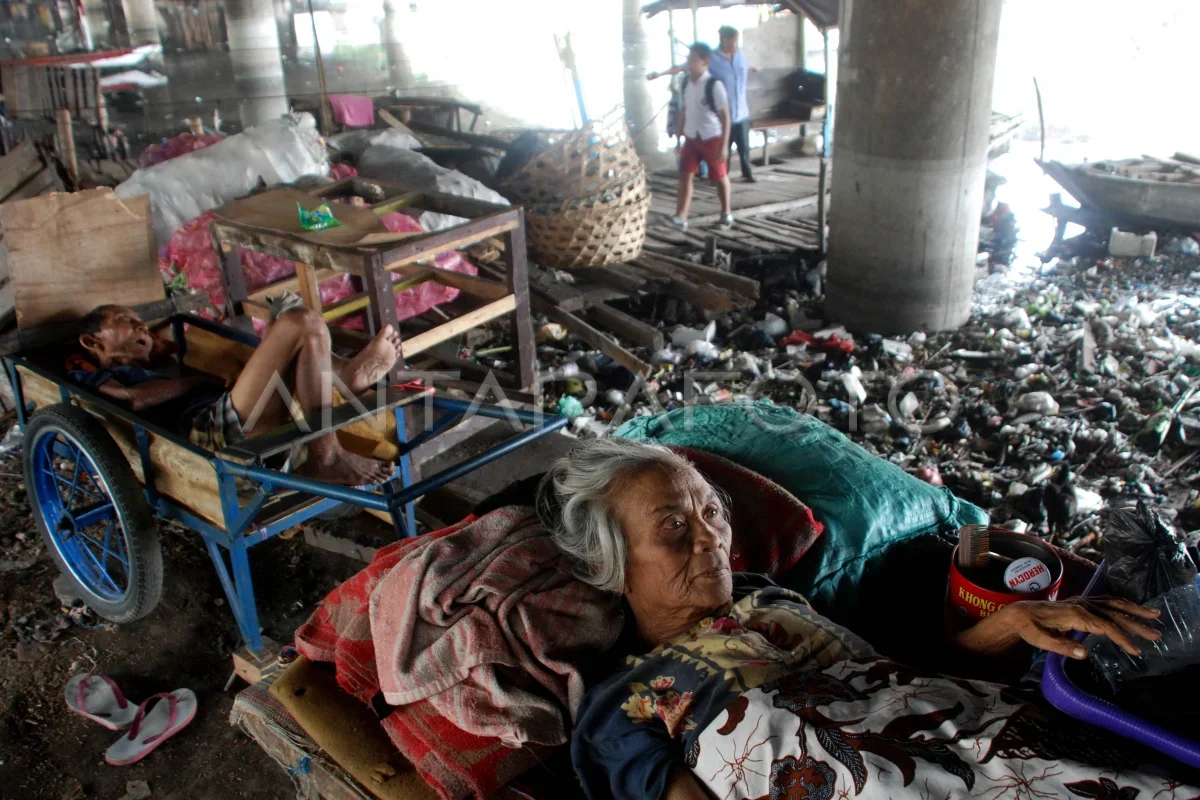
Zakat takes on social meaning when it not only eases the burden today but also opens up the possibility of a better life tomorrow.
Surabaya (ANTARA) – Poverty is not always visible in a city’s appearance.
Amid towering buildings, shopping centres and the business activity driving the economy, there are still families who must work out whether today’s income will cover food, school fees or repairs to an unfit home.
For them, assistance is not merely extra income; it is a lifeline.
In this context, the decision by the Surabaya City National Zakat Agency (Baznas) to prioritise poor residents, especially families in the first decile, marks an opportunity to strengthen social protection.
Surabaya Mayor Eri Cahyadi’s guidance to the Baznas leadership for the 2026–2031 term stressed that zakat, infaq and sadaqah (ZIS) funds must reach those most in need, rather than those who find it easiest to access assistance.
He delivered the message after the inauguration of the Surabaya City Baznas leadership at Surabaya City Hall on Monday (19 October). Eri also emphasised the need for the independent management of community funds and for rejecting political interference or group interests when determining beneficiaries.
Poverty is not only a matter of income levels, but also of people’s ability to meet basic needs, access education and healthcare, and withstand economic shocks.
A family that loses its jobs, for example, can quickly fall into hardship if it has no savings or adequate social support.
Statistics Indonesia (BPS) data for Surabaya show that the number of people living in poverty stood at 97,960, or 3.32 per cent of the population, in March 2026, down from 105,090, or 3.56 per cent, in March 2025. Surabaya’s poverty line in March 2026 was recorded at Rp852,302 per person per month.
The decline points to an improvement. But tens of thousands of residents still live below the poverty line, and the figures need to be interpreted carefully. BPS’s poverty measure is not the same as extreme poverty, while deciles group families according to their level of welfare.
The Ministry of Social Affairs explains that the first decile comprises the 10 per cent of households with the lowest welfare nationally. The grouping takes socio-economic characteristics into account and may change as data are updated.
The first decile can therefore serve as a basis for prioritisation, but should not be the sole consideration. Each family’s circumstances still need to be verified, including food security, housing conditions, health, the number of dependants and the sustainability of income.
Surabaya’s challenge is not only to count the poor, but also to ensure that people with disabilities, older people living alone, families with members suffering from chronic illnesses and children at risk of dropping out of school are not missed in the registration process or in the provision of assistance.
Changing people’s circumstances