
Zakat Forum: Direct Charity Risks Perpetuating Poverty
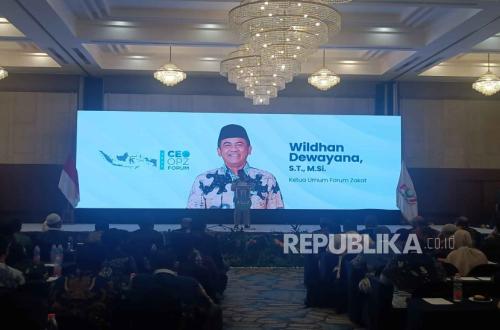
The Chairman of the Zakat Forum (FOZ), Wildhan Dewayana, believes the public’s tendency to return to distributing charity in cash or directly to recipients should not be viewed solely from the nominal amount given. According to him, the distribution of religious social funds through zakat institutions carries a greater mission, namely creating transformation and alleviating poverty. Wildhan said the results of the 2026 National ZISWAF Survey conducted by Indikator Politik Indonesia, which showed the majority of the public prefers direct charity, must serve as evaluation material for stakeholders in the Islamic philanthropy sector. “The most important thing is how we respond next. The public has a high level of generosity and there is great potential there. It could be that the level of literacy and education regarding zakat, infak, and sedekah still needs to be improved,” Wildhan said when met by Republika.co.id in Jakarta on Friday (12/6/2026). The Indikator Politik Indonesia survey previously found that 95.9 percent of Indonesian Muslims who give infak or sedekah in the form of money do not use digital platforms. The majority still choose to distribute it directly. According to Wildhan, this phenomenon could be caused by the public’s still low understanding of the roles and programmes run by zakat institutions. The trust factor towards institutions is also considered to influence public choice. “It could be that the public is not yet familiar with the existence of zakat institutions, or is familiar but does not yet understand the programmes being run. It could also be related to the level of trust,” he said. Nevertheless, Wildhan emphasised that distributing zakat, infak, and sedekah through zakat institutions enables the realisation of an empowerment mission that is difficult to carry out individually. According to him, zakat is not merely about the nominal amount given, but about the impact produced on the lives of mustahik or beneficiaries.