
Zakat as Tax Deduction: Baznas Calls for Comprehensive Study Involving Ulama and Finance Ministry
JAKARTA – The National Zakat Agency (Baznas) of the Republic of Indonesia has welcomed the growing proposal to make zakat a direct deduction from tax obligations (tax credit). However, Baznas stresses that the idea must be studied comprehensively with the involvement of various stakeholders before being formulated into policy.
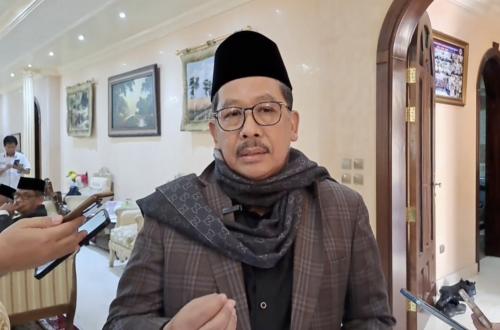
Deputy Chairman of Baznas RI, Zainut Tauhid Sa’adi, expressed appreciation to the Indonesian Ulema Council (MUI) and the Chairman of Commission VIII of the House of Representatives (DPR RI), Marwan Dasopang, for what he regarded as a demonstration of concern for strengthening zakat governance and improving public welfare.
“Baznas leadership gives high appreciation to the MUI and the Chairman of Commission VIII of the DPR RI for their support and concern regarding the idea of zakat as a direct deduction from tax obligations (tax credit),” said Zainut in a written statement received by Republika.co.id on Monday (27/7/2026).
According to Zainut, the integration of zakat and taxation is both a strategic and complex issue, touching on various dimensions ranging from sharia aspects to fiscal matters and socio-economic impacts. For this reason, Baznas has cautioned that deliberations must be carried out carefully and on the basis of in-depth study.
He explained that there are at least three important aspects that must be considered. First, compliance with Islamic law and maintaining public trust. Baznas holds that zakat management must remain grounded in sharia provisions, and therefore input from ulama, Islamic mass organisations and the wider community is needed to ensure that the scheme formulated does not diminish the meaning of the zakat contract or the sincerity of muzaki in fulfilling their religious obligation.
Second, the readiness of the government’s fiscal policy. According to Zainut, technical aspects relating to the state budget (APBN) structure, recording mechanisms, regulation and the impact on state revenue need to be studied by the fiscal authorities using a scientific approach.
Third, the resulting policy must prioritise the principle of mutual benefit. This means the scheme formulated should not only benefit mustahik as recipients of zakat, but also safeguard the stability and independence of the nation’s finances.
Zainut affirmed that Baznas is opening a space for dialogue with all relevant parties, including Commission VIII of the DPR RI, the Ministry of Finance, the MUI, Islamic community organisations, academics and public finance experts.
In his view, inclusive dialogue is necessary so that the idea of zakat as a direct tax deduction can be examined from multiple perspectives, including sharia law, positive law and socio-economic impact.
“Through constructive and inclusive dialogue, Baznas hopes this idea can be studied from various viewpoints — from sharia law and positive law to socio-economic impact analysis — in order to produce the best thinking that brings benefit to the community, the nation and the state,” said Zainut.
Source: jawawa.id (https://jawawa.id/newsitem/zakat-as-tax-deduction-baznas-calls-for-comprehensive-study-involving-ulama-and-finance-ministry-1785196270)
Originally published by Republika (https://khazanah.republika.co.id/berita/tiuvks430/zakat-jadi-pengurang-pajak-baznas-minta-kajian-komprehensif-libatkan-ulama-hingga-kemenkeu), translated from Indonesian