
YouTube Restricts Fitness and Sports Videos for Teenagers, Here is the Reason
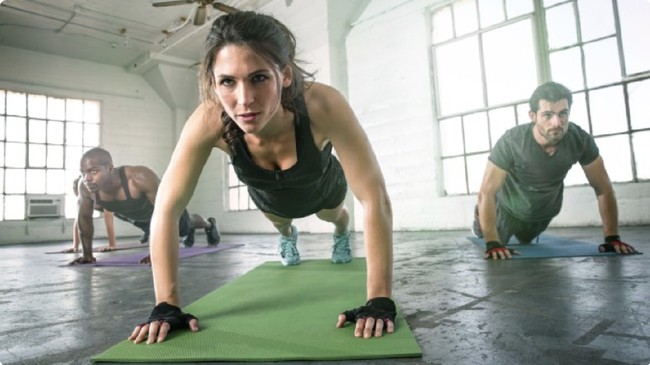
YouTube is tightening its recommendation system for teenage users to reduce repeated exposure to content that could potentially affect how they perceive themselves. Restricted content includes videos that idealise specific body shapes or physical standards.
According to Euro News, this policy stems from feedback from the Youth and Families Advisory Committee, which provides YouTube with insights regarding adolescent development and the impact of digital content consumption on their well-being. YouTube noted that teenagers are more vulnerable to forming negative self-perceptions when repeatedly exposed to messages portraying certain standards as ideal.
Through its recommendation system, YouTube typically suggests videos based on a user’s viewing history. This mechanism can cause a person to continuously receive videos with similar themes. According to YouTube, a single video may not be problematic, but repeated exposure to certain categories can become an issue for some teenagers.
What content is being restricted?
YouTube stated that its system will limit repeated recommendations across several video categories, including content that compares physical characteristics and idealises certain appearances, as well as videos that idealise specific fitness levels or weights. This policy does not mean that all videos regarding sports, fitness, weight, or appearance will be removed from YouTube. The focus is on reducing the likelihood of teenagers being constantly directed towards videos with similar themes.
YouTube had previously implemented these protections on a more limited scale before expanding them globally. In March 2025, the company also announced an expansion of the content categories that could be considered problematic if consumed repeatedly by some teenagers.
Why is body image a concern?
Attention towards algorithmic recommendations has emerged because social media can serve as a pathway that introduces children and adolescents to content regarding bodies, food, exercise, and eating disorders. Ofcom, the UK communications regulator, stated that recommendation systems pose a risk of directing children towards eating disorder content. Research cited by Ofcom also found that children’s engagement with topics such as body image, sports, food, celebrities, and lifestyle influencers can lead to recommendations for eating disorder content, even when the child is not actively searching for it.
Such exposure does not affect every teenager in the same way. Factors such as personal experience, how an individual perceives their body, and the ability to understand and evaluate digital content can influence how the content is received.
Regulators are also pressuring digital platforms.
YouTube’s policy changes are occurring amidst increasing regulatory attention towards social media recommendation systems and child safety. In the UK, Ofcom has established various obligations for online services to reduce the risk of children being exposed to harmful content. These rules include the obligation for services with recommendation systems to ensure their algorithms do not operate in a way that harms children.
In May 2026, Ofcom also stated it had increased oversight of TikTok and YouTube after both were deemed to have not provided sufficient explanations regarding how they would make recommendation systems safer for children. Ofcom is now conducting research using accounts representing users aged 13 to 17 to observe what content is recommended to them by social media and video-sharing services.
With this new policy, YouTube is essentially not banning teenagers from watching all fitness or health content. The primary change lies in how the algorithm organises the next viewing, particularly to prevent repeated exposure to content that can reinforce certain body or appearance standards. For YouTube, this approach is intended to maintain space for teenagers to explore various topics while reducing the risk of them becoming trapped in a continuous loop of the same content recommendations.
Source: jawawa.id (https://jawawa.id/newsitem/youtube-restricts-fitness-and-sports-videos-for-teenagers-here-is-the-reason-1790571226)
Originally published by CNBC Indonesia (https://www.cnbcindonesia.com/lifestyle/20260928090752-33-771335/youtube-batasi-video-fitness-dan-olahraga-untuk-remaja-ini-alasannya), translated from Indonesian