
Youth urged to invest amid the rise of online lending (pinjol) and pay later
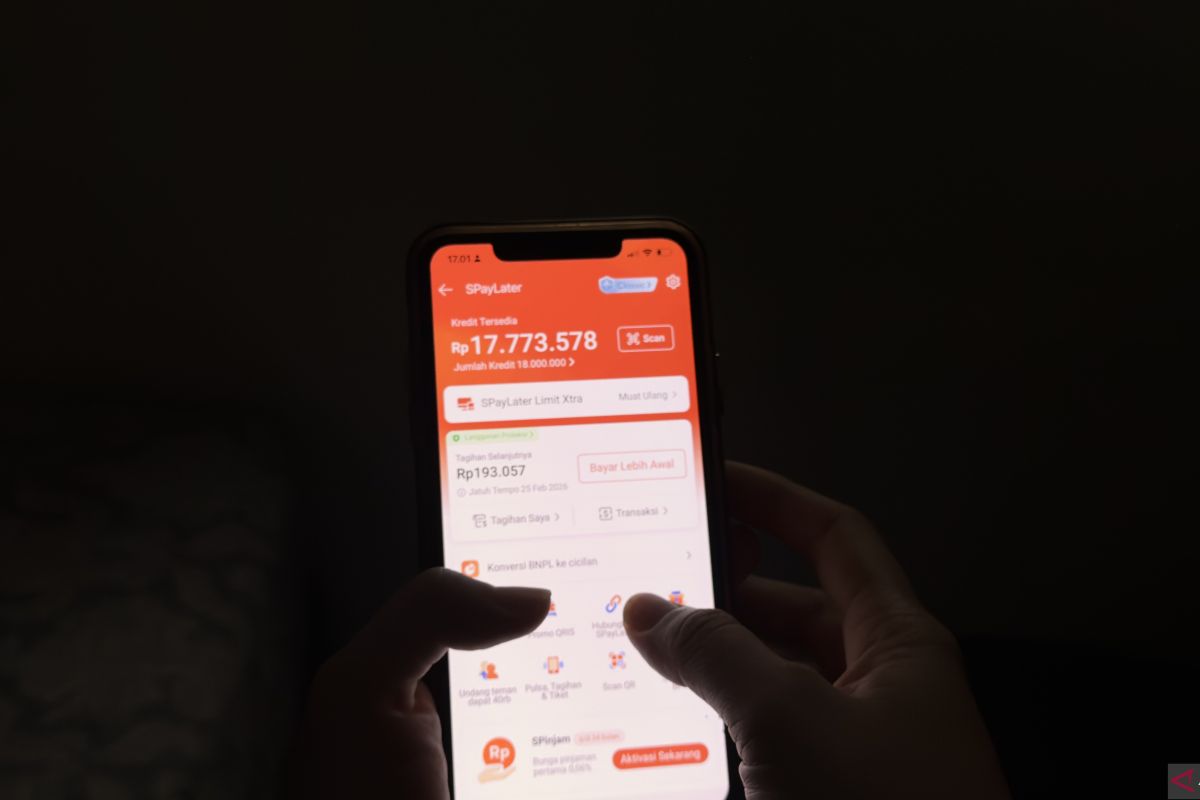
Young people today are closely connected with technology and digital financial services. Jakarta (ANTARA) - In the face of easy access to online lending (pinjol) and buy now, pay later (BNPL) services, or ‘pay later’, the financial health of Indonesia’s younger generation is considered to require serious attention. Indodax Chief Marketing Officer Aloysia Dian says the high use of pinjol and pay later among young people indicates a mismatch between patterns of digital consumption and readiness to build long-term financial resilience. Citing data from the Financial Services Authority (OJK), she said 48.65 percent of online loan defaults as of March 2026 originated from the 19–34 age group. In the same period, the national outstanding pinjol reached Rp101.03 trillion or grew 26.25 percent year on year, while total BNPL debt touched Rp28.3 trillion from 30.81 million users. This condition, she continued in a Jakarta statement on Wednesday, is seen as underscoring the importance of financial management that is more disciplined from an early age, especially amid high access to digital financial services. “Young people today are very close to technology and digital financial services. However, at the same time, many do not yet have the habit of managing finances consistently,” Aloysia said. Indeed, she added, building healthy financial conditions does not always have to start from a large sum. Simple steps such as setting aside at least five percent of their take-home pay as a rainy-day fund for regular investments can build financial discipline in the long term. Therefore, she urged the young to establish healthier financial habits through regular investment strategies such as Dollar-Cost Averaging (DCA), i.e., a method of periodic investment with a fixed amount to steadily build long-term assets. According to him, online lending and BNPL services are essentially financial instruments that can be used as needed, but in the face of easy access to digital credit and an instant lifestyle, young people are increasingly vulnerable to consumerist behaviours that can affect their future financial stability. Meanwhile, OJK data show the non-performing pinjol loan ratio (TWP90) as of March 2026 at 4.52 percent, continued Aloysia, a condition that reflects that financial management and the use of consumer debt remain challenges amid growing access to digital financial services. Similarly, loan history and payment discipline are important parts of a person’s financial track record, which can affect future access to finance, from mortgage applications to vehicle loans and business financing. “Many young people do not realise that their financial history today can affect their future access to finance,” she said. Therefore, it is important to start building healthier financial habits, not only in managing consumption but also in investing and building assets consistently. To support these needs, the company provides the Investasi Rutin feature, which enables users to invest automatically on a scheduled basis. Additionally, she said, the company will continue to strengthen education for beginner users through various channels to help the public understand risks, the basics of investing, and the importance of building healthier financial habits in the digital era.
Source: jawawa.id (https://jawawa.id/newsitem/youth-urged-to-invest-amid-the-rise-of-online-lending-pinjol-and-pay-later-1779545893)
Originally published by Antara (Indonesian) (https://www.antaranews.com/berita/5574185/generasi-muda-dianjurkan-investasi-di-tengah-fenomena-pinjol-paylater), translated from Indonesian