
Youth Encouraged to Develop Community-Based Health Innovations
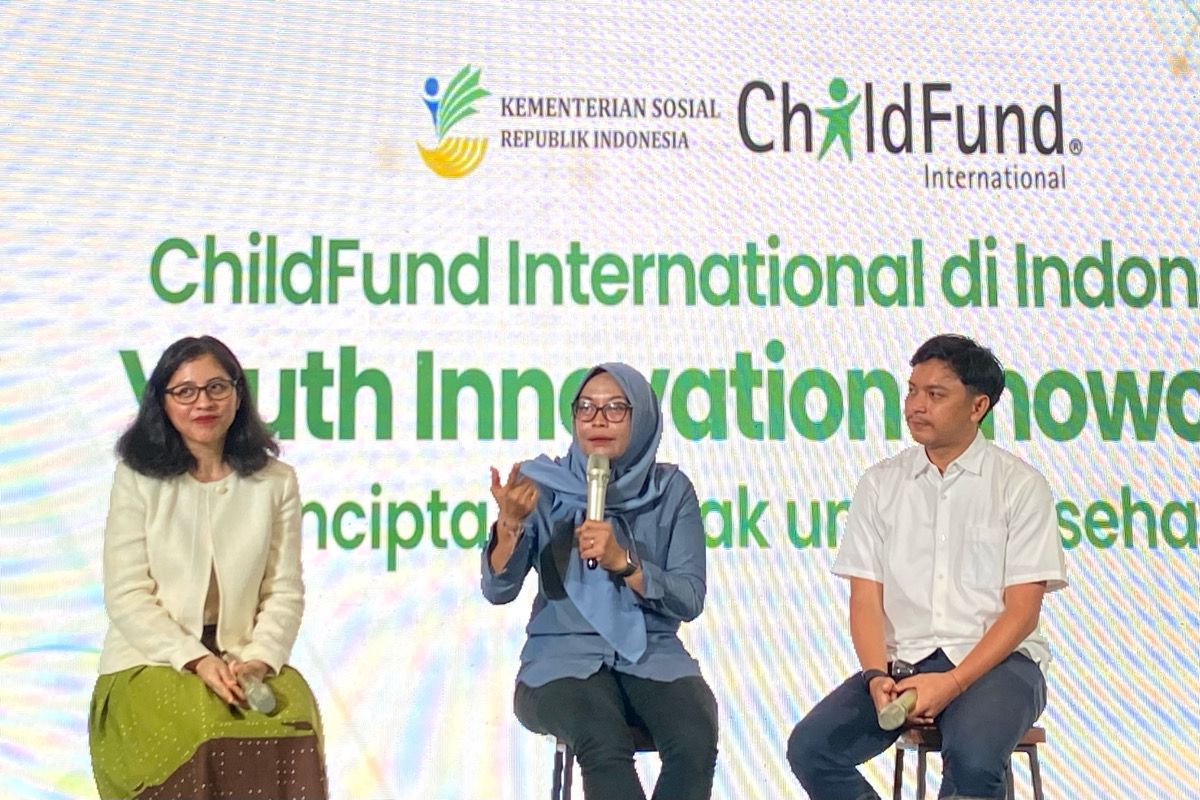
Jakarta (ANTARA) - Global development organisation ChildFund International in Indonesia is encouraging the younger generation to develop community-based health innovations to provide solutions for various health challenges facing children, adolescents, and families through the Youth Innovation Challenge: Innovation for Health programme.
Senior Specialist for Health at ChildFund International in Indonesia, Siti Aisah, stated in Jakarta on Thursday that the evolving health landscape, environmental conditions, and social dynamics demand an adaptive, innovative, and participatory approach. “Through the Youth Innovation Challenge, we encourage youth to take on the role of change agents capable of formulating contextual solutions according to their community’s needs,” she said.
Siti noted that health challenges in Indonesia, ranging from stunting and adolescent anaemia to nutritional fulfilment, reproductive health, and mental health, require approaches that involve the community and can adapt to changing social and environmental conditions. Through the programme, youth are given the opportunity to design, test, and implement health solutions that originate from community-level needs as part of efforts to achieve sustainable health development. According to her, the younger generation has direct experience with various issues in their surroundings, enabling them to deliver solutions that are more relevant, evidence-based, and have the potential for long-term community impact.
Meanwhile, Ministry of Health representative Fanzy Fatwalillah said that innovations developed by the younger generation have the opportunity to be integrated with the national digital health ecosystem. “The innovations developed by young people can be collaborated with digital health platforms so that they are not only beneficial for individuals but also help parents monitor their children’s health through recording features, disease risk screening, and health education,” he stated. Fanzy expressed hope that more innovations will emerge from youth to support the strengthening of the national health system while expanding public access to health services.
On the same occasion, Pancasila University Informatics Engineering Lecturer Ninuk F. Argarini assessed that the use of technology is an important part of developing health innovations, but it must be balanced with adequate digital literacy. “Technology can provide many benefits to the health sector. However, the public also needs to understand that artificial intelligence is not the sole source of information, so its results must still be verified with credible sources,” said Ninuk. She added that technology can expand access to health information, but users still need to have critical understanding to avoid errors in decision-making.
It is hoped that youth-led health innovations will not stop at the trial stage but can be replicated through collaboration with the government, academics, donor agencies, and the private sector to expand access to health services for children, adolescents, and families across various regions in Indonesia.