
Young Indonesian Entrepreneurs Eye Investment and Technology as German President Visits
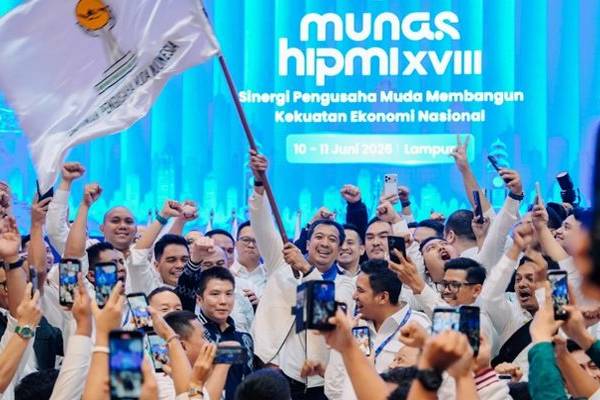
The state visit of German President Frank-Walter Steinmeier to Indonesia is considered a key momentum to strengthen bilateral relations. Beyond the diplomatic agenda, significant opportunities are opening for the business world, ranging from investment and technology transfer to global market access for Indonesian entrepreneurs.
Ade Jona Prasetyo, Chairman of the Central Executive Board of the Indonesian Young Entrepreneurs Association (BPP HIPMI), affirmed that Germany is one of Indonesia’s strategic partners in Europe. He noted that the cooperation between the two countries has far broader potential, especially in the economic and industrial sectors.
“Germany is one of Indonesia’s strategic partners in Europe, particularly in the fields of investment, technology, manufacturing, vocational education, and sustainable industrial development,” Ade said in a statement in Jakarta.
Ade assessed that Indonesia-Germany relations currently have a strong foundation to be developed into a more concrete stage. Sectors deemed to have great potential include investment, the development of value-added industries, renewable energy, and the improvement of human resource quality.
“We see many opportunities to enhance more concrete cooperation, especially in investment, technology transfer, value-added industry development, renewable energy, and human resource capacity building,” he stated.
HIPMI also expressed its readiness to act as a bridge between Indonesian business players and the German business world. This step is seen as a way to open paths for national entrepreneurs to expand their international networks while increasing competitiveness in the global market.
Ade emphasised that young Indonesian entrepreneurs have a strong spirit to collaborate with international partners.
“Indonesia and Germany’s relationship has a very strong foundation. HIPMI is ready to be a strategic partner in connecting business players from both countries. We want to encourage more business collaboration, investment, technological innovation, and entrepreneurship development programmes that can benefit both Indonesia and Germany,” he said.
Not only focusing on large corporations, HIPMI also highlighted opportunities for micro, small, and medium enterprises (MSMEs). According to Ade, Germany’s experience in building a modern manufacturing industry and vocational education system can serve as an important reference for developing Indonesia’s industrial ecosystem.
He hopes that the increasingly close relationship between Indonesia and Germany can open wider access for MSMEs and young national entrepreneurs to enter the global supply chain and penetrate the European market.
“We believe that strong economic cooperation will be an important foundation in strengthening relations between the two countries. Young Indonesian entrepreneurs are ready to be part of the strategic partnership between Indonesia and Germany in the future,” he concluded.