
Young Generation Increasingly Savvy with Fintech, but Still Vulnerable to Poor Money Management
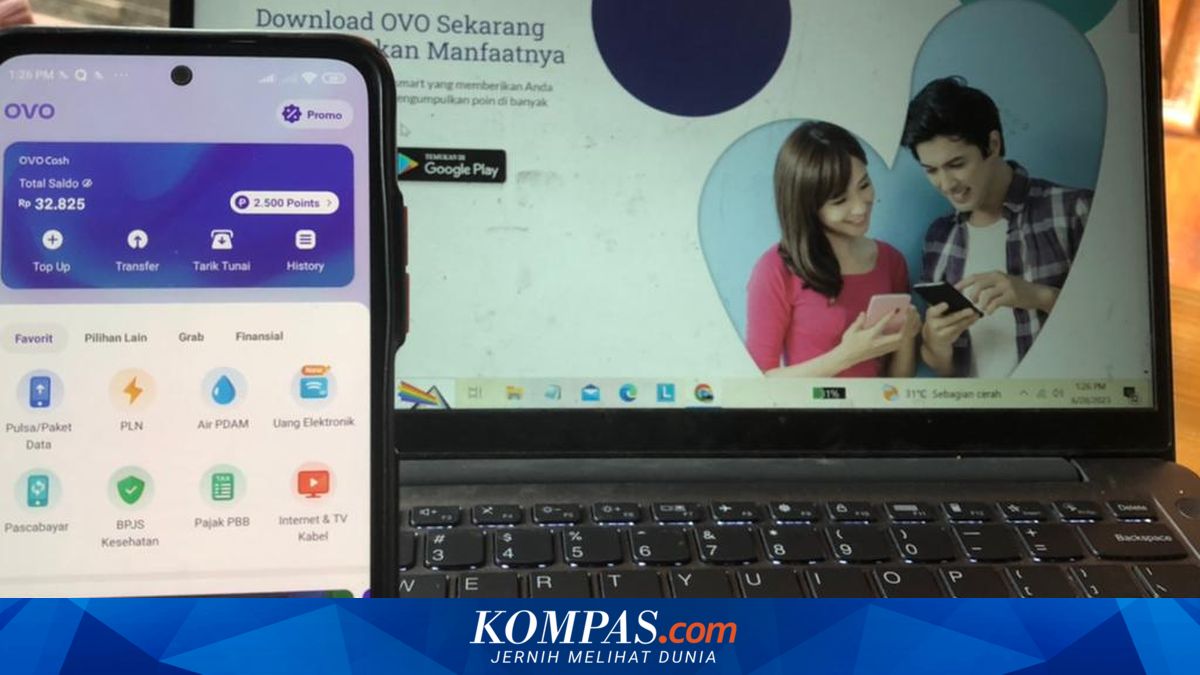
JAKARTA, KOMPAS.com - Indonesia’s young generation is becoming increasingly familiar with digital financial services. However, behind the high usage of fintech, there remains a significant challenge regarding the ability to manage money in a healthy and secure manner.
Data from the 2025 National Survey on Financial Literacy and Inclusion (SNLIK), released by OJK in collaboration with BPS, shows that the financial inclusion index for the 18–25 age group reaches 89.96 per cent. Meanwhile, their financial literacy level is still at 73.22 per cent.
This gap is seen as a signal that the ease of access to digital services has not yet been fully matched by adequate understanding of financial management.
In response to this situation, OVO is expanding financial education through the Fintech Academy programme in partnership with MoneyFestasi. The programme is implemented via roadshows to several campuses to strengthen digital financial literacy, including for students in remote areas.
The inaugural event was held at Universitas Jenderal Soedirman on Wednesday (6/5/2026) with the theme “Today’s Financial Habits, Tomorrow’s Financial Future”.
In the discussion, students were encouraged to understand that fintech services are not merely payment tools but can also serve as a means to build more disciplined and planned financial habits.
“Fintech is not just about transaction convenience, but technology to help the young generation build strong financial habits,” said Asep in an official statement on Thursday (8/5/2026).
According to him, students need to understand how to manage finances wisely to avoid getting trapped in excessive consumption patterns due to the ease of transactions and the flood of promotions on digital platforms.
Therefore, participants were also equipped with understanding of the difference between needs and wants, budgeting, and evaluating daily consumption patterns.
In addition to money management, digital security is a primary concern. Students were reminded to be more vigilant against social engineering-based scams and the importance of protecting personal data when using digital financial services.
“The ease of access must be balanced with a strong understanding of personal data security so that the young generation can make appropriate financial decisions according to their needs,” said Tulus.
Throughout 2026, OVO targets this programme to reach more than 1,200 students. With this addition, the total participants in the Fintech Academy since its initial launch is projected to exceed 6,200 students.