
Young Generation and the Future of Indonesia's Cultural Heritage
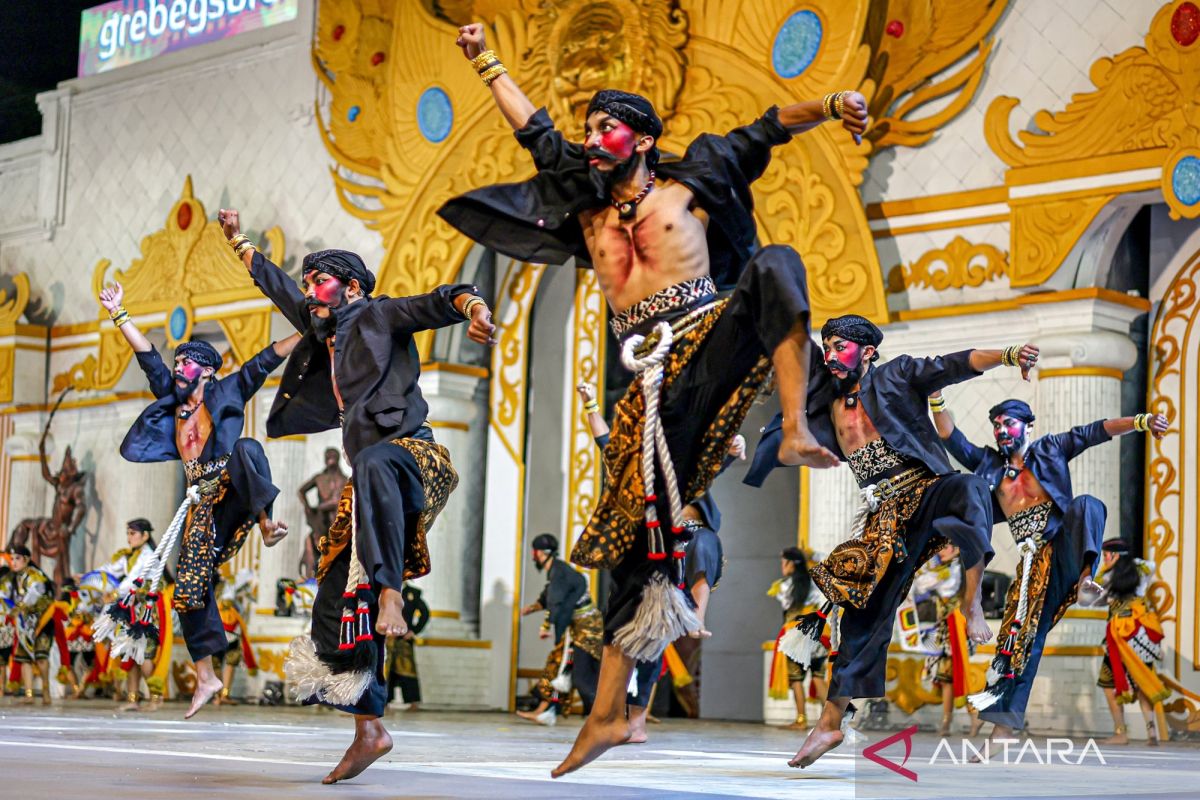
Indonesia’s election to the Intergovernmental Committee for the Safeguarding of the Intangible Cultural Heritage (ICH) UNESCO for the 2026–2030 period is a significant achievement in cultural diplomacy this year. This position places Indonesia at the global decision-making table regarding the future of intangible cultural heritage. Indonesia possesses 2,727 national intangible cultural heritage elements and 16 elements inscribed by UNESCO. However, this cultural wealth does not automatically guarantee its sustainability. Cultural heritage will only remain alive if it continues to be practised, understood, and passed down from generation to generation. This spirit underpins the 2003 Convention on Intangible Cultural Heritage. In this context, the younger generation plays a crucial role and simultaneously represents the primary challenge in ensuring the continuity of cultural heritage.
According to Indonesian population data as of 15 June 2026, Gen Z constitutes the largest demographic group, with 64.04 million people out of a total population of 289.98 million, or approximately 22 per cent. If Gen Alpha and Gen Beta are included, more than 126 million Indonesians belong to the post-millennial generation. They are not merely cultural heirs but the future primary custodians of Indonesia’s cultural ecosystem over the next two to three decades. They are the ones receiving the baton for preserving Indonesia’s intangible cultural heritage. However, this generation lives in a vastly different cultural landscape. Cultural transmission no longer occurs solely in studios, families, schools, indigenous communities, or performance spaces. It also takes place on mobile phone screens, short videos, music platforms, games, digital archives, and artificial intelligence.
For Gen Z, this digital connectivity is even sharper. A survey compiled by Katadata shows that Instagram was used by 83 per cent of Indonesian Gen Z at the end of 2025. TikTok is also highly dominant, especially among female Gen Z, with 84 per cent of women and 69 per cent of men using it. YouTube usage is relatively balanced, at 69 per cent for women and 71 per cent for men. Facebook and X remain present but are no longer the primary spaces for most young people. Access duration is also significant. A survey summarised by GoodStats indicates that 31 per cent of Gen Z access social media for 4–6 hours per day, 24 per cent for 3–4 hours, and 17 per cent for 2–3 hours. Only 5 per cent of Gen Z use social media for less than one hour per day. This means that for many young Indonesians, the digital space is not an addition to social life; it has become the primary space for forming identity, taste, memory, and cultural imagination.
The implication is clear. If cultural heritage policy continues to view the younger generation merely as an audience for traditional performances, Indonesia will lose the most critical field of transmission. Today’s youth encounter batik through fashion and digital design, gamelan through cross-genre collaborations, traditional cuisine through short videos, regional languages through memes, and cultural rituals through online documentation. These new methods do not necessarily signify a dilution of culture. On the contrary, in many cases, they serve as a closer and more relevant entry point for the younger generation to recognise, understand, and then appreciate cultural heritage. A 2025 study by Cheng Yi, Jing Huang, and Liping Song on the dissemination of intangible cultural heritage through digital experiences confirms that young people are more likely to engage with content presented dynamically and interactively. This finding is important because it shows that what is needed is not merely digitisation, but dynamic, interactive digital cultural experiences that remain rooted in the community context.
Therefore, Indonesia’s focus on the ICH Committee must pay attention to two interrelated agendas: the younger generation and digital transformation. Firstly, cultural education needs to be strengthened as infrastructure, not merely a curriculum supplement. Schools, universities, studios, museums, indigenous communities, artists, and creative industry players must be connected in a more open transmission ecosystem. Gen Z must be given space not only to learn traditions but also to interpret and develop them responsibly. Secondly, digital transformation must be managed ethically. Artificial intelligence, digital platforms, and algorithms now determine which culture is visible, who benefits, and which expressions are submerged. Without fair governance, technology can narrow cultural diversity, extract community knowledge, and turn living heritage into mere content. Indonesia carries the vision of ‘Living Heritage, Shared Future’. This vision is appropriate if translated into concrete policies: participatory digital inventories, community-based documentation, ethical cultural data governance, youth involvement in decision-making, and regulations ensuring that technology serves culture, not the other way around. Indonesia’s election to the ICH Committee is a mandate. As a country with mega-cultural diversity and a large young population, Indonesia has the opportunity to offer a new direction for cultural preservation that is human-centred, driven by the younger generation, and supported by technology that is inclusive, transparent, and respectful of cultural diversity.