
Young designers breathe new life into tradition through cultural products
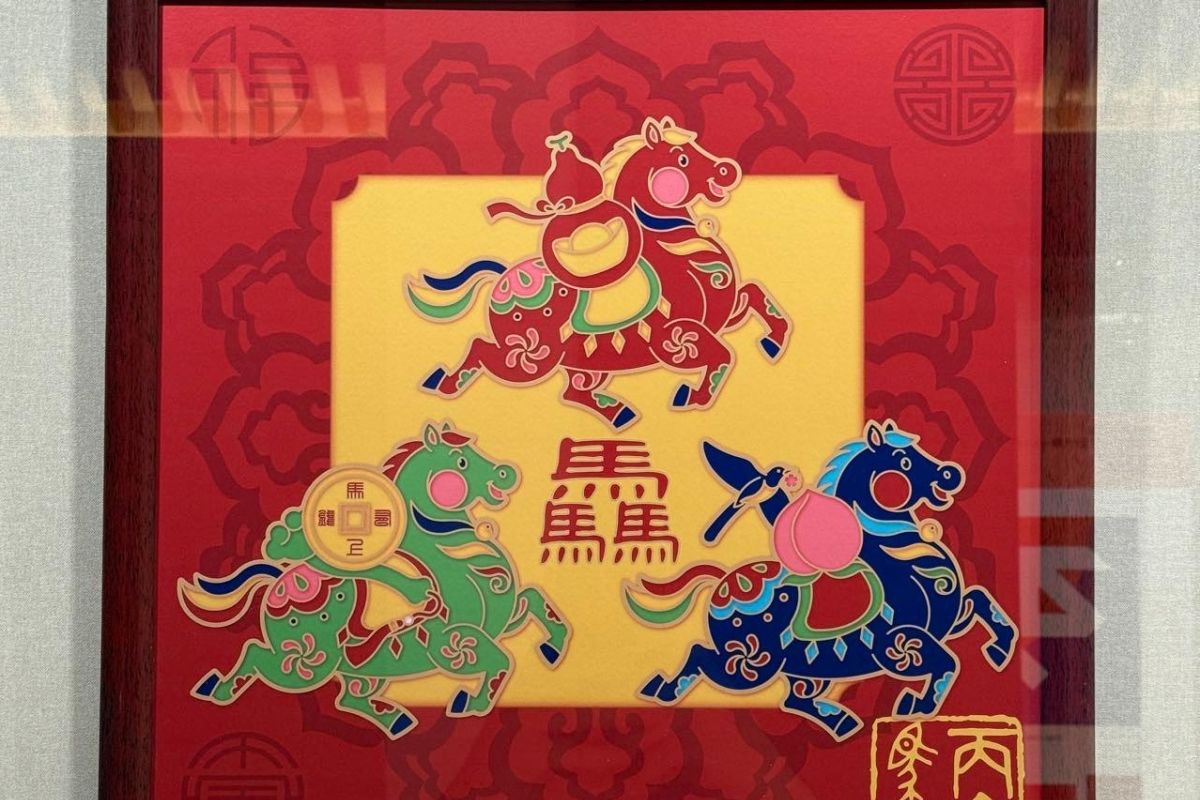
In a design studio in Wudi, Shandong Province, eastern China, 22-year-old designer Li Zeyi is working on a new line of cultural and creative products inspired by ancient Chinese astronomy. On her computer screen, the 28 constellations of China’s traditional astronomical system are transformed into simple modern symbols with distinctive Chinese aesthetic patterns. Li studied and worked in Shanghai, the metropolis where she developed her artistic vision and expanded her perspective as a young designer. ‘Young designers must act as bridges,’ Li said. ‘We need to bring old traditions into new forms of expression while helping contemporary society rediscover their cultural roots.’ However, she eventually chose to return to her hometown of Wudi to start her own business. Wudi is not just a small region with a long history known for salt production and fishing, but also boasts a rich cultural heritage. After repeated field studies, Li found that Wudi’s ancient city, coastal culture, and folk traditions offered abundant inspiration. Seizing the opportunity, she began using local cultural richness to design youthful cultural and creative products that appeal to modern consumers. ‘I incorporate local landmarks such as Lotus Bay, the ancient city, and Haifeng Tower into my designs,’ Li said. ‘The small boat on the magnet can be slid from one side to the other, allowing visitors to reminisce about their travel experiences while playing with it.’ Li is not alone. Across China, more young designers are turning to traditional and local culture for creative inspiration. In Anqing, Anhui Province, eastern China, designer Huang Shen has developed dozens of products inspired by Huangmei opera, a traditional Chinese opera form. Meanwhile, in Luoyang, Henan Province, central China, young entrepreneurs blend the city’s famed peony culture with Tang Dynasty tri-colour glazed pottery elements into coffee, pastries, and other food items. ‘Cultural products are not just about printing traditional patterns onto merchandise,’ Li said. ‘The key is finding a natural connection between tradition and modern life.’ Earlier this year, a new Chinese-style ‘tiger head bag’ carried by Elon Musk’s son during his visit to China went viral online. Inspired by traditional northwestern Chinese tiger head hats and shoes, the bag was designed by young designer Liu Siwei, showcasing the appeal of innovative Chinese cultural products to international audiences. ‘Foreign audiences may not fully grasp Chinese history or cultural meanings, but they can appreciate the artistic quality of the imagery and the beauty of Eastern aesthetics,’ Li said. With this in mind, Li aims to transform traditional Chinese culture into graphics, patterns, and colours, which she believes can serve as a universal language for cross-cultural communication. As 2026 is the Year of the Horse in the Chinese lunar calendar, Li created a cheerful horse-themed design featuring three horse characters depicting galloping horses. In recent years, as Chinese culture has gained more visibility abroad and foreign tourism to China has increased, cultural and creative products have become a vivid window for people to better understand Chinese culture. ‘The three horses’ colours come from traditional Chinese palettes, including deep red, emerald green, and indigo,’ Li said. ‘Their bodies feature classic patterns from woodblock New Year paintings, preserving the simple charm of folk art.’ The design has been applied to various cultural products. The work was also selected for a global design exhibition touring countries and regions including Turkey, Canada, and Indonesia. ‘Elegant Chinese traditional patterns and delicate gold lines perfectly blend timeless Oriental charm with trendy modern aesthetics,’ said Karen, an Indonesian visitor. As more young designers turn their gaze towards hometowns, traditions, and the wider world, Chinese cultural and creative products have emerged as a vibrant medium conveying Chinese stories, Eastern aesthetics, and intercivilisational dialogue—not mere souvenirs. ‘Traditional Chinese culture can be seen by the world,’ Li said, ‘as long as we find the right way to express it.’