
Yogyakarta's Role in Indonesian Independence
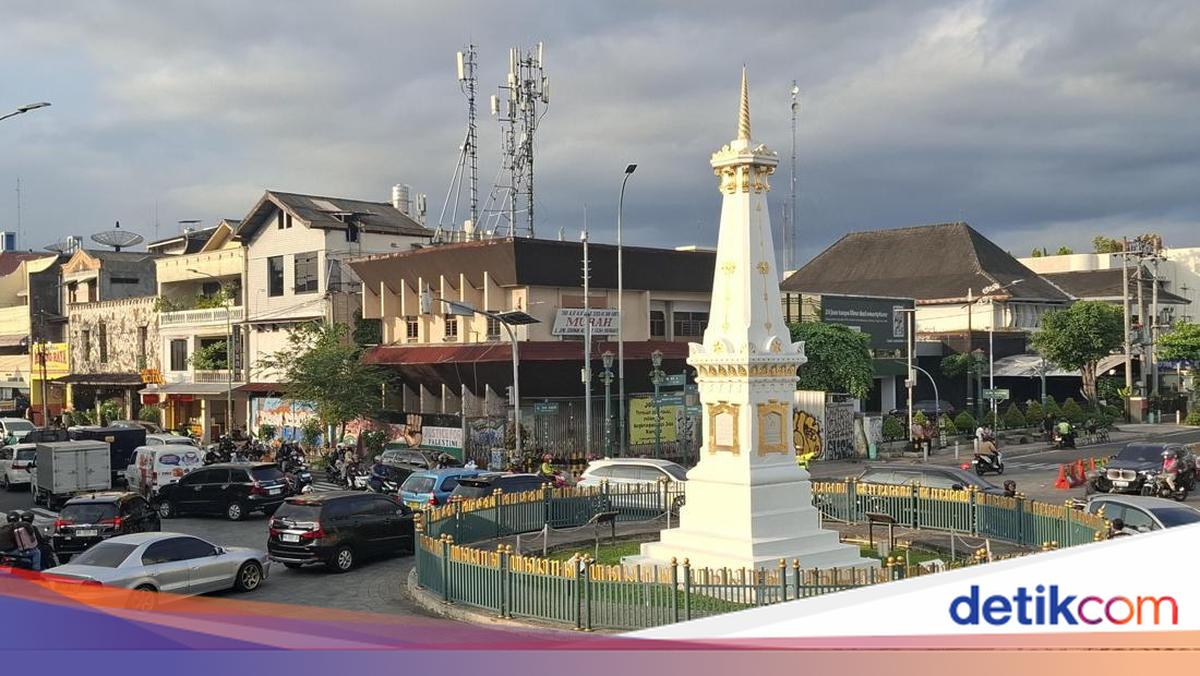
Although nearly a century has passed, the story of Indonesia’s struggle for independence remains firmly etched in memory. Alongside the patriotic history of the Red and White fighters, the behind-the-scenes contributions of each region also exist. One region that played a crucial role in Indonesian independence, including safeguarding it after the proclamation, is the Special Region of Yogyakarta (DIY), or Jogja. Not only did its monarchs participate actively, but so did the common people.
Before Indonesia declared independence, Jogja already existed as a kingdom, a self-governing region (Zelfbesturende Landschappen). News of the proclamation did not cause Jogja to rebel; instead, it issued a statement of support. News of the Proclamation of the Republic of Indonesia arrived in Jogja on the same day, just half an hour later, via the Domei News Agency. Paku Alam VIII, who then led the Duchy of Pakualaman, proposed to Sri Sultan Hamengku Buwono IX that Jogja declare its willingness to join. The sultan accepted the proposal. According to the book ‘Sejarah Pemerintahan Daerah Istimewa Yogyakarta’, Jogja sent a telegram of congratulations and support on the afternoon of 19 August 1945. It was not only the Jogja government that offered support, but also the people. After a moment of confusion upon seeing the Japanese Hinomaru flag still flying, the residents of Jogja rejoiced. Parades were held everywhere, and shouts of ‘merdeka’ filled the air. Ki Hadjar Dewantara was recorded as leading a bicycle procession of Taman Siswa students on the afternoon of 17 August 1945, enlivening the spirit of independence on the city’s main streets.
Subsequently, Sultan HB IX and Paku Alam VIII discussed with a number of Jogja figures, including Ki Hadjar Dewantara. The result of the deliberation was an agreement to support the Proclamation of Indonesian Independence. The actualisation of this support was the issuance of the Amanat 5 September 1945. This mandate was essentially a royal decree containing a statement of the willingness of the Sultanate of Ngayogyakarta Hadiningrat and the Duchy of Pakualaman to join the Unitary State of the Republic of Indonesia (NKRI). The mandate stated that the Sultanate of Ngayogyakarta Hadiningrat was a special region of the Republic of Indonesia, that the Sultan held all governmental power within the region, and that the relationship between the region and the Central Government was direct, with the Sultan being responsible directly to the President. Paku Alam VIII issued a similar mandate at almost the same time. Both were well received by the Indonesian government, which then sent Mr Sartono and Mr Maramis to deliver a charter from the president to Jogja. The charter, dated 6 September 1945 from Soekarno, confirmed the Sultan in his position with the trust that he would devote all his thoughts, energy, soul, and body to the safety of the Yogyakarta region as part of the Republic of Indonesia.
One of Jogja’s roles in safeguarding the independence of the Republic of Indonesia was serving as the nation’s capital. It held this status for approximately three years, from 1946 to 1949. Following independence, Indonesia’s situation was unsafe due to the arrival of foreign troops, and clashes occurred everywhere. Aware of the unconducive situation, Sultan Hamengku Buwono IX suggested the government move the capital to Jogja. The sultan’s offer was sent via courier. This offer was proof of Jogja’s readiness to defend Indonesian independence to the last drop of blood. The goodwill was warmly welcomed by the Jakarta government. On 3 January 1946, President Soekarno decided to move the command centre of the Republic of Indonesia to Jogja, a choice based not only on its leader’s offer but also on the sincerity of its people since independence. According to historical records, on 4 January 1946, President Soekarno, Vice President Moh Hatta, and several other officials departed for Jogja at night, arriving the next day to a warm welcome from the sultan.
Source: jawawa.id (https://jawawa.id/newsitem/yogyakartas-role-in-indonesian-independence-1786420270)
Originally published by detikJogja (https://www.detik.com/jogja/berita/d-8613174/peran-jogja-dalam-kemerdekaan-indonesia), translated from Indonesian