
Yogyakarta's Commitment to Preserving Batik as Cultural Heritage
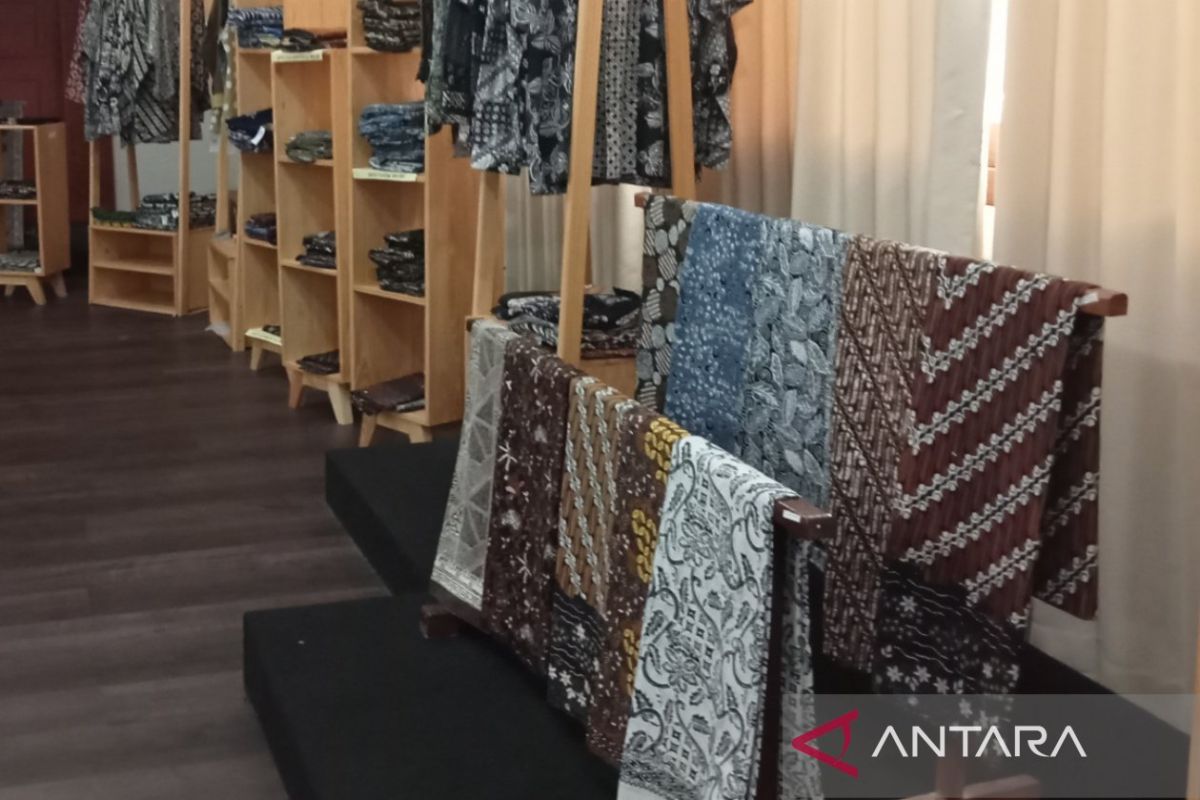
Batik is not merely a cultural heritage but also Yogyakarta’s global identity. Therefore, training and certification programmes aim to cultivate competent, creative human resources capable of innovating while staying rooted in tradition. Batik is more than just fabric adorned with wax-resist patterns crafted by artisans; it embodies the nation’s cultural identity, blending art, knowledge, and technology passed down through generations. UNESCO’s 2009 recognition as intangible cultural heritage has solidified batik’s status as a source of national pride. Since then, the batik industry has grown in motifs, production techniques, and its role as a creative economic product with both cultural and economic value.
In the Yogyakarta Special Region (DIY), this development carries deeper significance. As a region with numerous small and medium-sized batik industries spread across districts and cities, Yogyakarta bears the responsibility of ensuring batik’s sustainability and continued growth. This responsibility intensified after the city was designated a World Craft City by the World Crafts Council (WCC) in 2014. Since then, sustained efforts have been made to preserve batik as both cultural heritage and a livelihood source for communities.
Preparing the Next Generation
One of the biggest challenges in preserving batik is generational continuity. To address this, the DIY government, alongside the Batik Craft Centre, facilitates professional training and certification for batik industry practitioners, involving young people. Head of DIY Tourism Office, Imam Pratanadi, stated that the week-long training held in late May 2026 reflects the government’s commitment to sustaining batik as cultural heritage while strengthening the competitiveness of the creative economy sector. The training covers two competency schemes: batik motif design and natural dyeing. Dozens of participants from diverse backgrounds joined the initiative, aiming to enrich Yogyakarta’s batik heritage while introducing new innovations rooted in tradition.
In Yogyakarta, batik develops through three primary techniques. First, batik tulis, hand-drawn using a canting tool requiring meticulous precision. Second, batik cap, which uses copper stamps to apply liquid wax for precise, large-scale patterns. Third, batik printing, employing modern printing technology to produce diverse motifs. Through these design and natural dyeing training sessions, the government aims to enhance human resource quality in the batik sector. This effort is part of strengthening DIY’s creative economy ecosystem. The programme follows similar activities last month focusing on batik wax production training, aiming to drive innovation in raw material management and product quality. This series of initiatives demonstrates DIY’s serious commitment to preserving and developing the national batik industry to adapt to modern times and the demands of the creative economy.