
Yogyakarta Waste-to-Energy Plant Targeted for Operation by End of 2028
The Special Region of Yogyakarta (DIY) is targeted to have a Waste-to-Energy Plant (PSEL) in roughly two years’ time. The DIY regional government is currently preparing all technical and administrative aspects to support the construction of the facility.
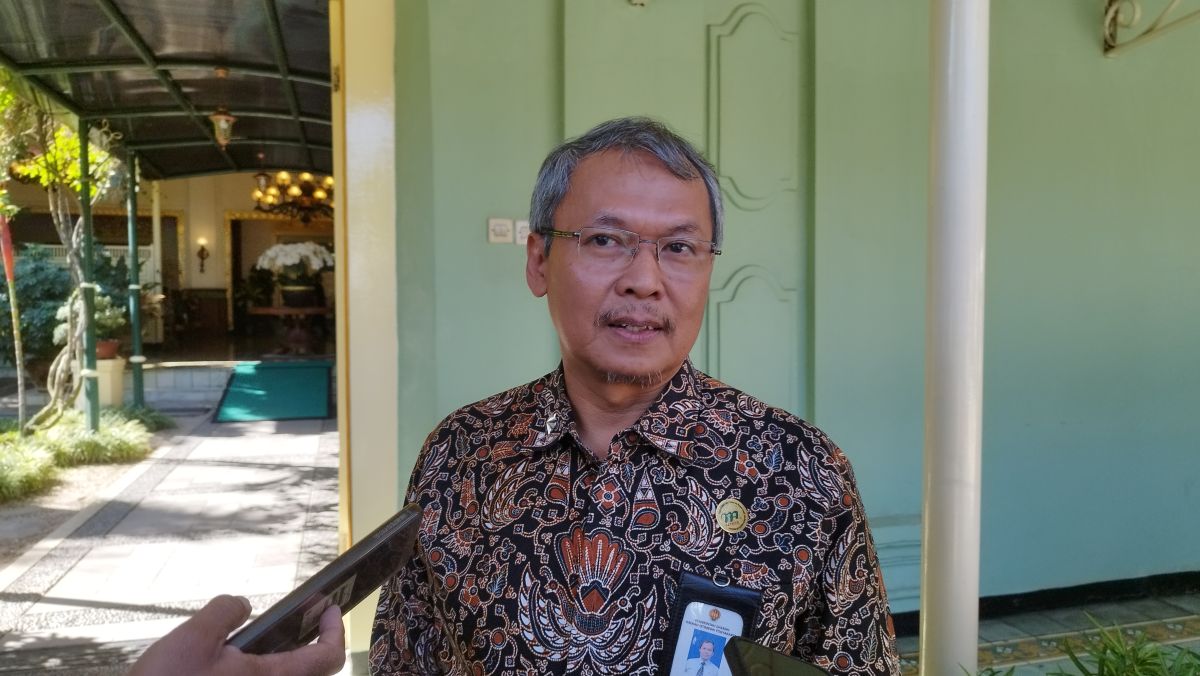
Kusno Wibowo, Head of the DIY Environment Agency, said the PSEL will be located in Piyungan District, Bantul. “The site area is about 5.7 hectares,” he explained when met at the DIY Governor’s Office in the Kepatihan complex.
The winner of the Government Cooperation Scheme with Business Entities (KPBU/PUPP) has been announced by the investment management agency Danantara.
Meanwhile, the DIY regional government is also holding field discussions to ensure the readiness of the 5.7-hectare site as well as the completeness of supporting documents, which are targeted to be finalised within the next three months.
The procurement of the PSEL infrastructure is projected to enter the groundbreaking stage at the end of this year or early next year. The construction itself, he added, will take approximately 1.5 years, or 18 months.
“The hope is that it will be operational by the end of 2028,” said Kusno.
The Piyungan PSEL facility is designed to process up to 1,000 tonnes of waste per day. In the initial operational phase, waste will be supplied from three areas: Sleman Regency, Bantul Regency and Yogyakarta City.
Meanwhile, the other two regencies in DIY, Kulon Progo and Gunungkidul, are currently still able to manage their waste problems independently. However, he said, the involvement of these two regencies in the future remains a possibility.
“We are optimistic that the regional governments will be able to meet the 1,000 tonnes per day target. But we hope that in the future, after the PSEL is operational, our colleagues in Kulon Progo and Gunungkidul will also join this programme,” Kusno added.
Regarding the choice of waste-to-energy technology in the form of electricity, the DIY regional government affirmed that this is a central government policy. The power offtake has also been coordinated with PT PLN (Persero).
“That is a policy from the central government; the output of this PSEL will be electricity. There has already been communication with PLN and others that the energy will be purchased by PLN. It was recently stated that PLN’s purchase price is 20 cents per kWh,” he concluded.