
Yogyakarta Strengthens Branding as a Festival City, Events to Attract Tourists
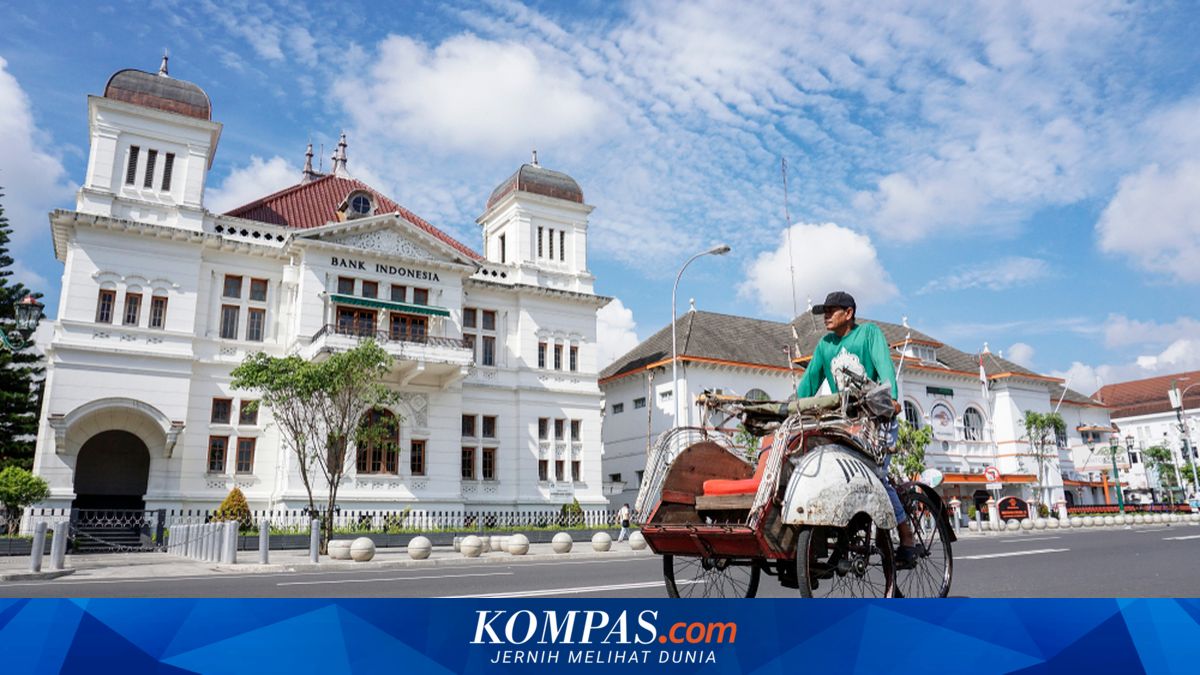
YOGYAKARTA - The Yogyakarta City Government is strengthening its branding as a Festival City by creating integrated events during the commemoration of the city’s anniversary.
Yogyakarta Deputy Mayor Wawan Harmawan stated that the declaration of Yogyakarta as a Festival City must be followed by strengthening the concept, event curation, and cross-sector collaboration to truly provide an attraction for tourists.
“If we have already called it a Festival City, then what we must answer is what the events are. In the future, we want people to come to Jogja not by chance there is an event, but specifically to attend a certain event,” he said on Thursday (16/4/2026) in his statement.
In addition, this strategy also serves as a response to the challenge of the low tourism season that occurs from February to April. The city government is preparing various agendas to fill that period, including strengthening culture-based events such as the Yogyakarta Chinese Cultural Week, integrated Imlek celebrations from Malioboro to Ketandan, and packaging the Grand Ruwahan and prestigious Takbiran Competition during Eid al-Fitr and Eid al-Adha.
“In the future, we want to create events that truly become references. Like people going abroad for big concerts, we also want people to come to Jogja because of certain events,” he added.
Not only that, major events like ARTJOG will also be encouraged to become part of the city’s orchestration. With a duration of up to about two months, this event is considered to have great potential to attract tourists while serving as an educational medium for students regarding the world of art and the creative economy.
“WJNC is just one peak event, not the only one. We are compiling a large series over one month, starting from cultural events, trade, to community activities,” he explained.
With a new packaging, the Wayang Jogja Night Carnival (WJNC) event is targeted to re-enter the ranks of the Nusantara Charisma Event and attract more tourists.
“The hope is that the impact is significant, both on hotels, restaurants, as well as souvenir sales and the people’s economy,” he added.
In the series of the Yogyakarta City Anniversary, various agendas will be held, such as Wayang Bocah, Jogja Great Sale, to the involvement of communities and associations like Kadin through exhibition and promotion events. Even events that are geographically outside Yogyakarta City will be embraced in one promotional narrative.
He emphasised that collaboration with the private sector is not in the form of privatisation, but rather synergy of roles. The government remains the orchestrator, while the private sector and communities become partners in strengthening the attractiveness of events.
“We support from the side of promotion, strengthening the ecosystem, including distributing economic impacts such as the spread of hotel accommodations and tourist activities in various areas,” he added.
Meanwhile, the Head of the Yogyakarta City Industry, Cooperatives, and SMEs Office, Tri Karyadi Riyanto Raharjo, emphasised the importance of integrating SMEs into the tourism ecosystem. According to him, SMEs are not just complements, but part of the tourism experience.
“In the future, SMEs are not just places to buy products, but also to present experiences. Tourists can see the process, understand the story behind the product, and get added value from every item purchased,” he said.
He also mentioned that events will become the main promotional medium for SMEs. Various agendas like the Gebyar UMKM will be collaborated with major events, including plans to strengthen activities in the Malioboro area through the Coffee Night concept involving local SMEs.
In addition, they are also preparing the development of official Yogyakarta City merchandise that is curated in terms of design, quality, and intellectual property rights (HAKI), so as to increase the competitiveness of local products.