
Yogyakarta PSEL Project Worth Around IDR 3 Trillion Targeted to Begin Construction in Late 2026
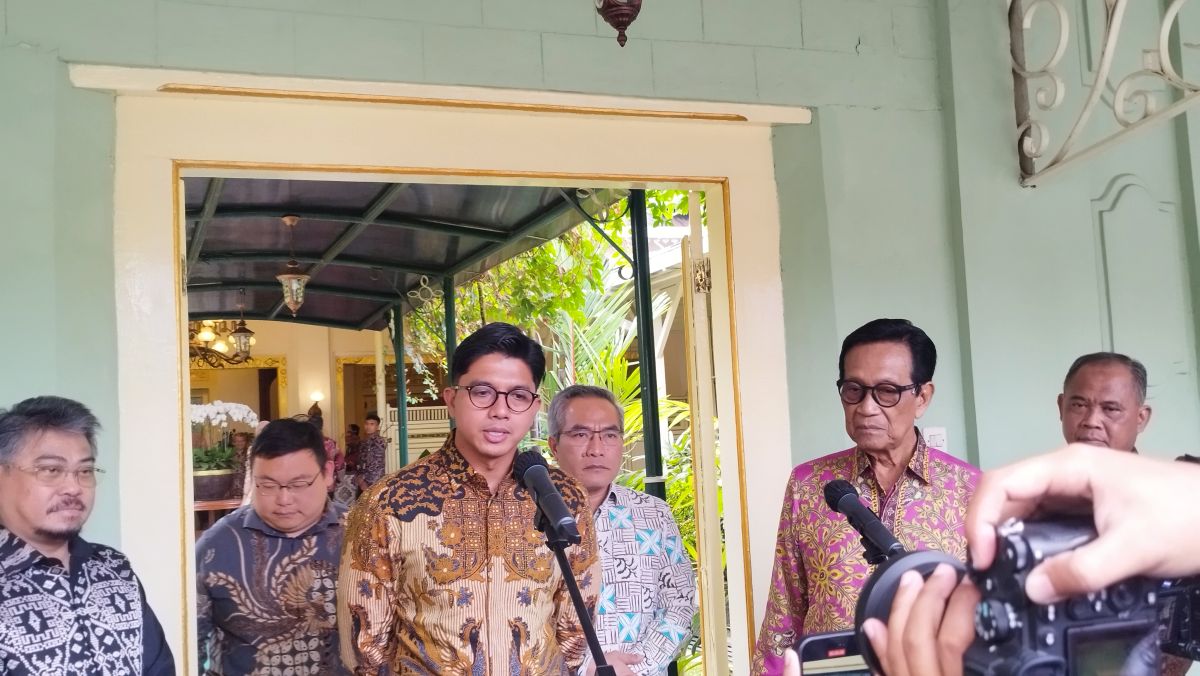
The Waste-to-Energy Plant (PSEL) project for the Special Region of Yogyakarta (DIY), with an investment value of IDR 2.5 to IDR 3 trillion, is entering the final stages of construction preparation. The groundbreaking is targeted for December 2026.
Director of Investment at Danantara Indonesia, Fadli Rahman, confirmed that the project is scheduled to be fully operational by the third or fourth quarter of 2028. The facility will consistently process 1,000 tonnes of waste per day to generate 18 to 20 Megawatts (MW) of electricity daily.
All electricity produced will be purchased by PT PLN (Persero) under a long-term Power Purchase Agreement (PJBL), in accordance with Presidential Regulation (Perpres) No. 109 of 2025. The electricity will be sold at a rate of 20 US cents per kWh under a contract lasting up to 30 years.
The plant will be built on approximately 5.7 hectares of land adjacent to the former Piyungan landfill. The project is currently in the final preparatory phase, which includes the completion of the Environmental Impact Analysis (AMDAL), finalisation of the engineering design, and land maturation. Governor of DIY, Sri Sultan Hamengku Buwono X, confirmed that three regions have signed on to the project: Bantul Regency, Sleman Regency, and the City of Yogyakarta.
Fadli Rahman explained that the waste processing technology will be environmentally friendly, with emission standards designed to exceed both Indonesian National Standards (SNI) and European Union standards. The process involves drying waste for five days in a sealed bunker to prevent odour leakage. Leachate water will be treated until clean, and the dried waste will be used as feedstock to heat water, producing steam that drives electricity-generating turbines. The resulting fly ash and bottom ash will also be processed to high environmental standards.
To ensure a steady supply of 1,000 tonnes of waste per day, mitigation measures have been prepared in case of fluctuations, including sourcing waste from neighbouring districts and utilising old waste stockpiles at the Piyungan landfill.
The project is expected to provide significant economic benefits to the region. The local government will not bear the cost of electricity, as it is paid directly by PLN, and will only be responsible for the waste transportation tipping fee. Additionally, the project is projected to generate new Regional Original Income (PAD) from taxes and partnerships for bottom ash utilisation, as well as absorb 800 to 1,000 local workers during the 2027-2028 construction phase. The project is part of the second phase of the National PSEL programme, which includes 11 similar projects across various cities in Indonesia.