
Yogyakarta Palace Simplifies Garebeg Besar 2026 Traditional Ceremony Format
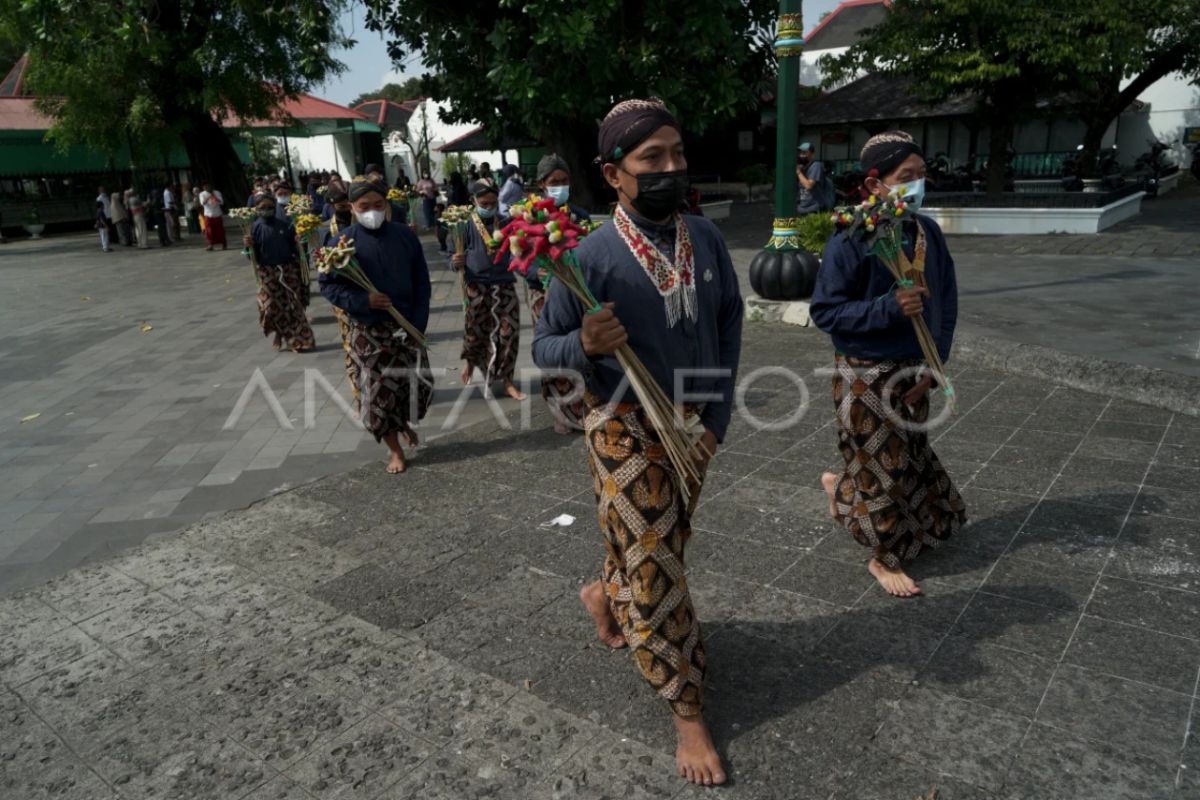
Residents should understand that this year’s format adjustment is a simplification and not the cancellation of the traditional ceremony.
Yogyakarta (ANTARA) – The Ngayogyakarta Hadiningrat Sultanate will hold the Garebeg Besar traditional ceremony procession in 2026 in a simplified format, or without the pareden procession and soldiers, but will still uphold the annual cultural tradition of commemorating Idul Adha with reverence.
‘Residents should understand that the adjustment to this year’s format is a simplification and not the cancellation of the traditional ceremony,’ said Dian Lakshmi Pratiwi, head of the Yogyakarta Special Region Cultural Office (DIY), in a statement in Yogyakarta on Wednesday.
According to her, the Yogyakarta Royal Court decided to centralise the entire pareden distribution process within the Keraton and allocate it only for abdi dalem, in line with instructions from Sri Sultan Hamengku Buwono X.
The DIY Provincial Government respects and honours the adjustments made by the Yogyakarta Keraton. It argues that the policy will not diminish the sacred value of the ceremony itself.
‘The pareden distribution outside the Keraton complex does not in any way remove the main essence of Garebeg as an expression of the Raja’s gratitude and alms,’ she said.
Dian said that the noble value of Garebeg as the king’s alms to his people remains fully preserved through the abdi dalem.
‘All distribution mechanisms for pareden are conducted internally and are entirely governed by the Keraton Yogyakarta’s domestic management,’ she added.
The change of distribution location directly affects outdoor, publicly accessible programmes. The pareden procession, which under normal circumstances would be taken to the Kepatihan Complex (the Governor’s Office of DIY) and Puro Pakualaman, will not be held in Garebeg Besar 2026.
Historically, the Garebeg tradition, whose name etymologically means being accompanied by many people or refers to the bustle (gumrebeg), has often undergone adaptations over time.
Rooted in the ancient Javanese Rajawedha tradition, this ‘kingly alms’ format mutated into a means of Islamic propagation during the era of the Demak Kingdom by Wali Songo, and remains observed in Yogyakarta in three major annual celebrations.
Over time, the number and types of gunungan produced—from Gunungan Kakung, Putri, Darat, Gepak, to Pawuhan—have always been adjusted to the times.
Dian stated that the current format adjustment is not new, as a similar format was strictly applied during the COVID-19 pandemic a few years ago.
‘The DIY regional government urges the public to understand this adjustment, given that the sacredness and prayers for the safety of the people continue to be conducted with solemnity,’ Dian said.