
Yogyakarta DPRD Joins Calls to Halt 'Red and White' Cooperative Manager Training After Five Deaths
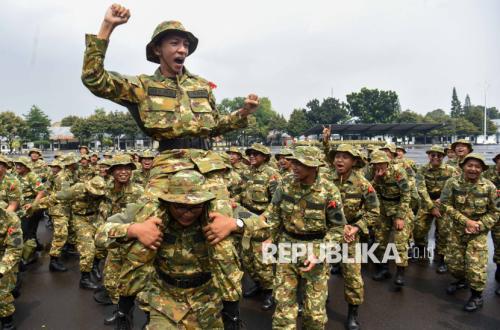
The deaths of five participants in the Sarjana Penggerak Pembangunan Indonesia (SPPI) programme, a training scheme for prospective managers of the Red and White Village Cooperatives (Koperasi Desa Merah Putih/KDMP) and Red and White Fishermen’s Cooperatives (KNMP), have drawn sharp criticism. Commission A of the Yogyakarta Special Region (DIY) DPRD is among those urging the government to temporarily halt the training and conduct a thorough evaluation of its implementation system.
The five participants reported to have died are Yonanda Muhammad Taufiq, Anisa Muyassaroh, Novia Rahmadhani Sihotang, Muhammad Rifki Renaldi Gunawan, and Nola Dya Sari. Commission A Chairman Eko Suwanto expressed his deepest condolences for the deaths of the five participants. He stated that the incident is not only a tragedy for the victims’ families but also serves as a warning for the government in executing its national strategic programmes.
‘A training programme that should have produced excellent human resources has instead resulted in the deaths of five citizens,’ Eko said on Monday (29/6/2026). The PDI Perjuangan politician believes the government must immediately suspend the training for prospective KDMP and KNMP managers to allow for a comprehensive evaluation of all aspects of the programme’s organisation. According to Eko, several fundamental aspects must be audited, ranging from the participant recruitment process and training methods to the curriculum and health standards during the activities.
He highlighted the importance of health checks before participants join the training. In his view, every participant should undergo a thorough medical examination, not merely fill out a health condition form, but also be examined directly by medical personnel. ‘Commission A requests that this training be halted and a comprehensive evaluation be carried out, prioritising the safety of participants, facilitators, the committee, and all parties involved,’ he stressed. ‘It needs to be investigated whether an initial health test was conducted before the training or not. Then, during the training, whether there was periodic health monitoring of participants,’ he added.