
Yogyakarta City Government Targets Conversion of 500 Electric Rickshaws to Reduce Transport Emissions
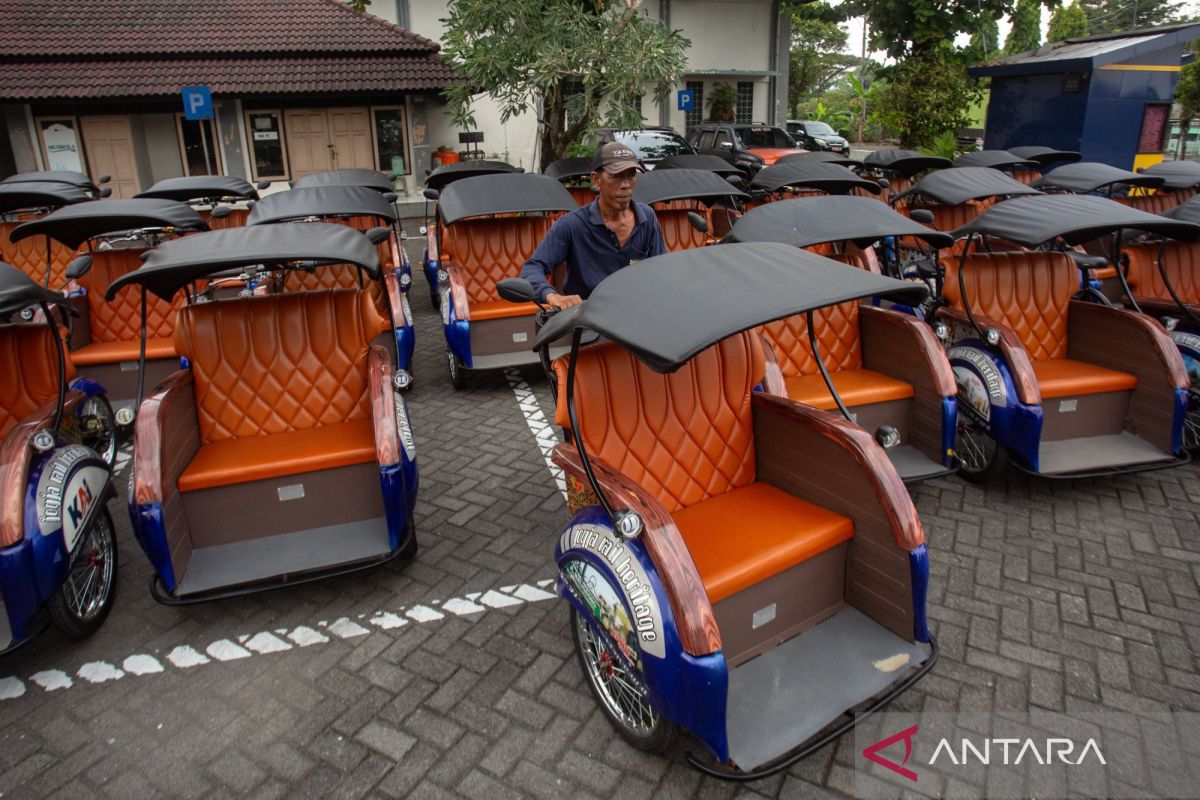
The Yogyakarta City Government has set a target to convert 500 motorised rickshaws (bentor) into electric rickshaws by 2026, aiming to reduce emissions and environmental pollution within the traditional transport sector.
“The goal is not to increase the number of new vehicles, but to perform a conversion from motorised rickshaws to electric rickshaws so they are more environmentally friendly and do not produce pollution,” stated the Deputy Mayor of Yogyakarta, Wawan Harmawan, during the ‘Jogja Bersinar: Zero-Emission Tourism in Reducing Pollution’ workshop in Yogyakarta on Friday.
The initial phase of the conversion began with assistance provided to 50 motorised rickshaw drivers following the removal of traditional transport units some time ago, ensuring the programme continues gradually.
Wawan noted that the transition towards eco-friendly transport is a strategic step to support a sustainable tourism sector and improve urban environmental quality. He observed that the use of electric-based vehicles is increasingly becoming a preference for both tourists and the local community. Consequently, the City Government is encouraging collaboration between various parties, including PLN (the state electricity company) and other stakeholders, to expand supporting infrastructure for electric vehicles.
“Jogja Bersinar is an innovation that must be supported by all parties. The effort to realise zero-emission tourism is a strategy to create added value for Yogyakarta’s tourism industry,” he said.
He added that bringing together tourism industry players, electric vehicle manufacturers, the government, and communities into a single collaborative forum demonstrates the spirit of ‘gotong royong’ (mutual cooperation) that characterises the City of Yogyakarta.
“The business and private sectors need to play an active role in strengthening the electric vehicle ecosystem, including the development of charging infrastructure and the integration of digital services,” he stated.
Wawan highlighted that the primary challenge in developing electric vehicles remains the availability of charging infrastructure, which is essential to building public confidence in switching to electric transport. “We hope that PLN can partner with business actors to expand the construction of Public Electric Vehicle Charging Stations (SPKLU) in Yogyakarta,” he concluded.