
YKPN Polytechnic Trains Palm Oil Professionals in Accounting, Finance and Taxation
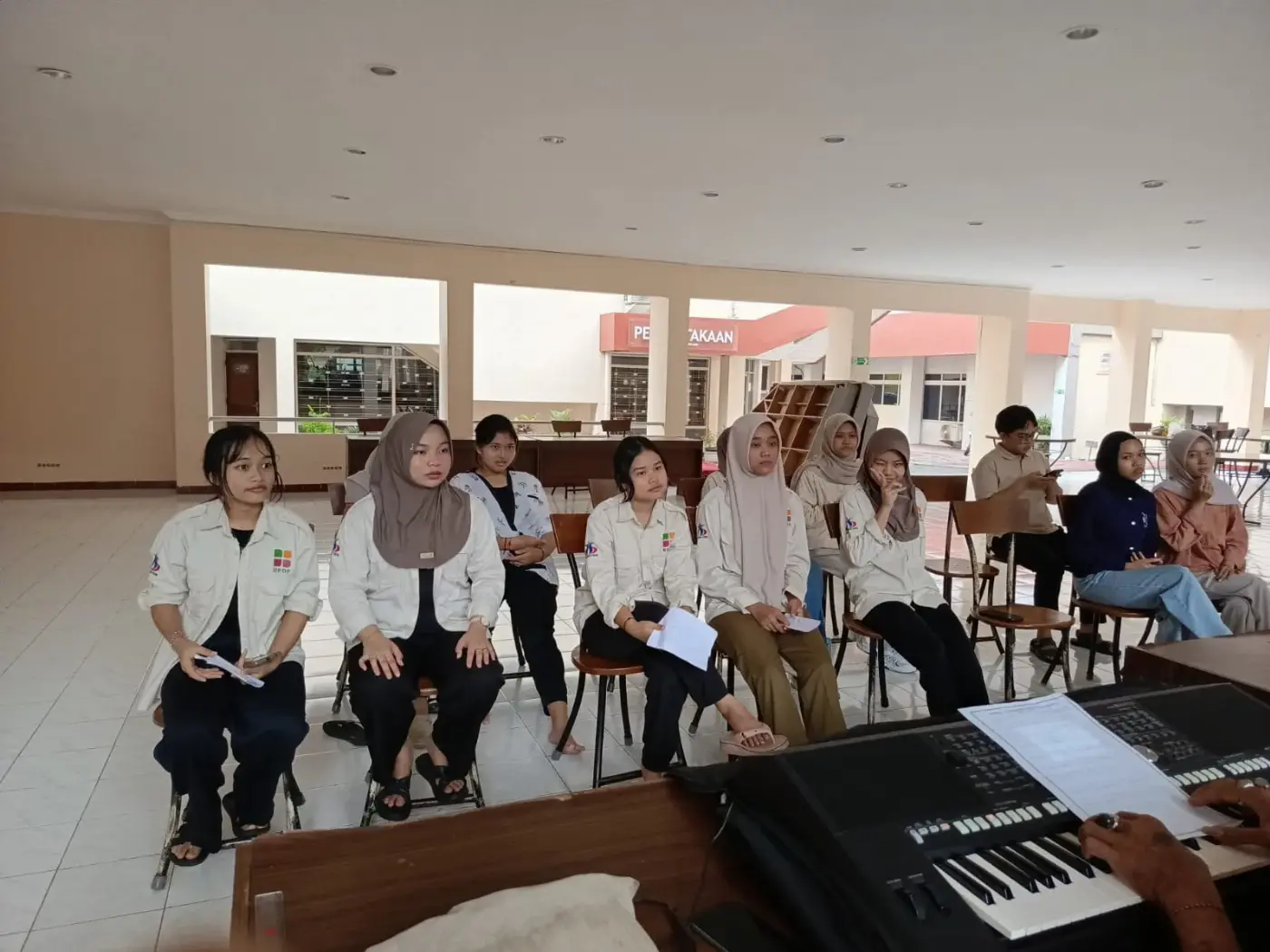
The need to develop human resources in the palm oil industry has expanded to include accounting, finance and taxation. YKPN Polytechnic (Yayasan Keluarga Pahlawan Nasional) in Yogyakarta is addressing this through the Palm Oil Scholarship for its Diploma III (D3) Accounting and Applied Bachelor’s/Diploma IV (D4) Tax Accounting programmes.
Prof. Dr Nung Harjanto, the polytechnic’s Deputy Director for Academic Affairs, said demand for accounting, finance and tax accounting personnel in the palm oil sector was considerable. The complexity of the business means companies need staff able to manage transactions, costs, documents, tax obligations and management information accurately.
“The palm oil industry has a long business chain, from seedling and crop maintenance to harvesting and transporting fresh fruit bunches (FFB), processing at palm oil mills, and selling crude palm oil (CPO), kernels and their derivative products,” he said in a written statement received by Sawit Indonesia magazine last month.
He said this showed that investment in palm oil human resources needed to cover a range of specialisms. The industry needs personnel who understand production processes and can translate business activities into accounting and taxation systems.
This is where the Palm Oil Human Resources Scholarship plays an important role. The education provided to scholarship recipients can be a long-term investment in preparing a generation of professionals in accounting, finance and taxation who understand the characteristics of the palm oil industry and have governance skills.
In 2025, YKPN Polytechnic enrolled 60 Palm Oil Scholarship recipients: 30 D3 Accounting students and 30 students in the Applied Bachelor’s programme in Tax Accounting. Their presence in both fields reflects the fact that the industry’s human-resource needs extend beyond field operations to corporate management functions.
From scholarships to investment in industry talent
Prof. Nung said crop productivity was one measure of success for a palm oil company. However, production achievements must be supported by sound management of costs, cash, inventory, assets, labour, taxation, internal controls and reporting.
Plantation activities generate various costs, including seedlings, planting, maintenance, fertiliser, harvesting, labour premiums and FFB transport. At palm oil mills, costs include processing, labour, utilities, machinery maintenance, waste management, and controls over extraction rates and production losses.
“All these activities must be translated into accurate financial information so management can assess efficiency and make decisions,” he said.
For this reason, Palm Oil Human Resources Scholarship students in accounting and tax accounting are being prepared not merely to understand the recording of transactions. They are also expected to see the relationship between plantation operations and a company’s financial position.
Hermada Dekiawan, chair of YKPN Polytechnic’s Grant Management Programme, said education for scholarship recipients should equip students with competencies suited to industry needs. Accounting, finance and taxation knowledge must be accompanied by the ability to interpret business processes, manage data and understand increasingly digital administrative and financial systems.
“Students cannot simply understand accounting, finance and taxation theory. They need to understand the context of the palm oil industry, because every operational activity generates data and transactions that must be managed, recorded, analysed and accounted for,” Hermada said.
He added that vocational education had an important role in bridging industry needs and graduate capabilities. Teaching should therefore provide experience that reflects real working conditions, helping students prepare for jobs at plantation companies and in supporting sectors.
Accounting staff are needed across a range of areas, from head offices, estates and divisions to palm oil mills, regional offices, administrative departments, warehouses, weighbridges, smallholder partnership administration, taxation, internal audit and cost control.
D3 Accounting graduates could fill roles such as accounting staff or administrative support, junior auditor, tax officer, and management accounting staff or clerk. D4 or Applied Bachelor’s graduates in Tax Accounting are expected to take up professional and supervisory taxation roles, work as tax consultants or financial and tax analysts, or serve as accounting professionals in plantations and the palm oil industry.
YKPN Polytechnic strengthens its scholarship mission
As an educational institution training Palm Oil Human Resources Scholarship recipients, YKPN Polytechnic is adapting its teaching to the needs of businesses and industry. Its vocational education is based on Outcome-Based Education, with a curriculum aligned with the Indonesian National Qualifications Framework (KKNI) and the National Standards for Higher Education.
The palm oil industry is incorporated into courses including Financial Accounting, Cost Accounting, Taxation, Auditing, Accounting Information Systems, Governance and Sustainability Accounting, Oil Palm Cultivation, Palm Oil Processing Technology, and Downstream Palm Oil Products.
This approach means scholarship recipients gain not only access to higher education but also an understanding of the work environment they are likely to enter.
Students learn the terminology, documents, organisational structures and workflows used at estates, divisions, palm oil mills, administrative departments, weighbridges, warehouses and smallholder partnership operations, as well as in payroll and the processing of FFB into CPO and kernels.
“Students become familiar with the terminology, documents, organisational structures and workflows at estates, divisions, palm oil mills, administrative departments, weighbridges, warehouses and smallholder partnership operations, as well as payroll and the processing of FFB into CPO and kernels,” he said.
Preparing palm oil workers for digital transformation
Digital transformation is also changing the skills required in the palm oil industry. Scholarship recipients are therefore taught to use technology in managing financial data.
Students use Microsoft Excel to prepare budgets and projected financial statements, conduct variance analysis and calculate costs. In Digital Accounting Practicum classes, they use Accurate Version 5 Education with case studies based on palm oil companies.
Taxation teaching covers digital systems, from the electronic preparation and filing of annual tax returns (SPT) to withholding tax certificates, tax invoices and electronic payments. Students also take part in a Digital Tax Accounting Practicum using Coretax.
These skills are intended to help scholarship recipients adapt to industry systems that increasingly rely on integrated data, automation, traceability and faster decision-making.
Vocational education is also reinforced through direct workplace experience. Internships help scholarship recipients understand how the theory and skills learned on campus are applied in plantation operations and palm oil companies.
The experience is expected to better prepare scholarship recipients for work while giving them a practical understanding of industry needs.
Scholarships train guardians of good governance
Nung said YKPN Polytechnic graduates had the potential to play a strategic role in strengthening governance in the palm oil industry. Accounting and taxation personnel are needed to ensure transactions are recorded accurately, costs are controlled, tax obligations are met, documents are traceable, risks are identified and reports are transparent.
The Palm Oil Human Resources Scholarship therefore goes beyond providing access to education: it is part of a long-term investment in building the capacity of Indonesia’s palm oil industry.
Scholarship recipients in accounting, finance and taxation broaden the perspective on developing the industry’s workforce. While technical staff help maintain plantation and mill productivity, accounting and taxation staff help ensure those activities are managed in an orderly, efficient and accountable manner and comply with regulations.
Course content also covers internal controls, auditing, professional ethics, risk management, digital governance, ESG, materiality, environmental and social indicators, sustainability-data validation, greenwashing risks and sustainability reporting.
“Graduates are expected to become guardians of the integrity of company information. They can help connect operational data from plantations and mills with financial statements, tax reports, management information and sustainability disclosures,” Prof. Nung said.
Source: jawawa.id (https://jawawa.id/newsitem/ykpn-polytechnic-trains-palm-oil-professionals-in-accounting-finance-and-taxation-1794070230)
Originally published by sawitindonesia.com (https://sawitindonesia.com/politeknik-ykpn-cetak-sdm-sawit-jago-akuntansi-keuangan-dan-perpajakan), translated from Indonesian