
Yesterday: The pharmaceutical industry’s economic impact and Hajj cost subsidies
Jakarta (ANTARA) – Here are some notable humanities stories from Thursday (9 October), which you can revisit today to start the day.
The stories range from the impact of the pharmaceutical and food industries on the national economy to the Indonesian Ulema Council’s (MUI) response to Hajj cost subsidies.
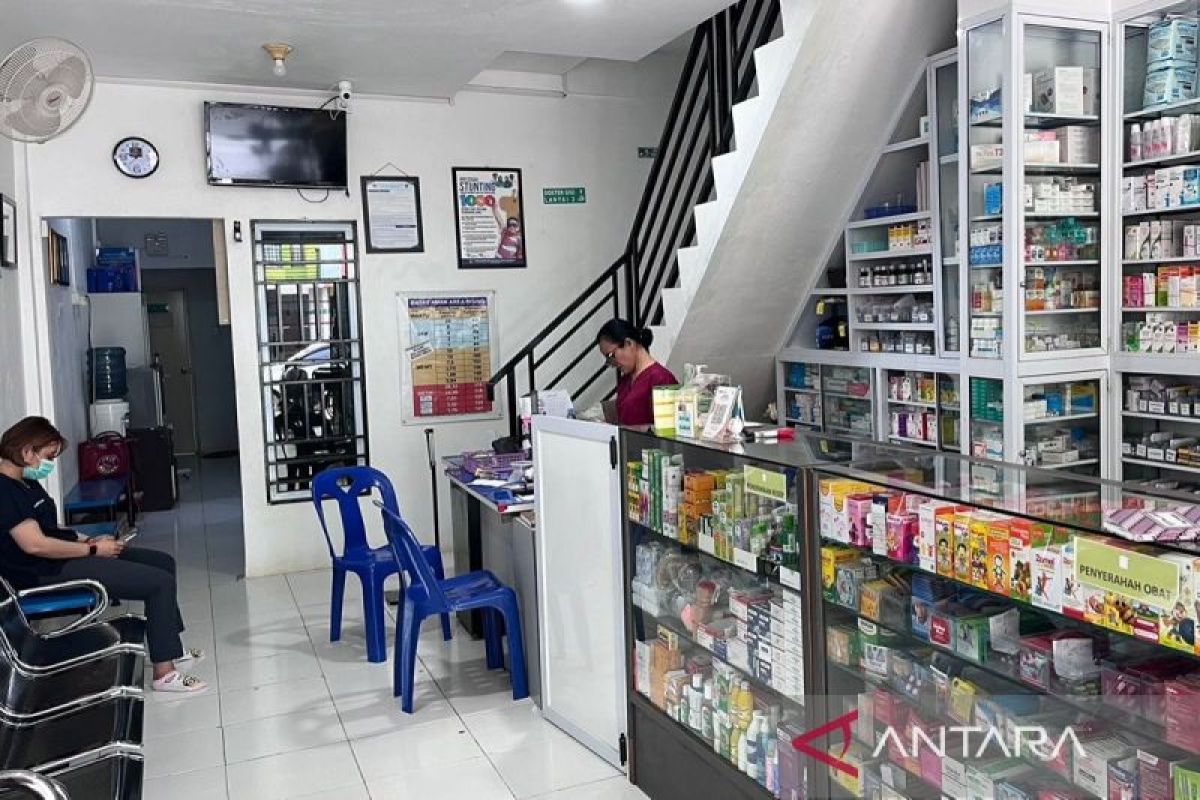
- Pharmaceutical and food industries contribute Rp10,000 trillion to the national economy
Indonesia’s Food and Drug Authority (BPOM) says the pharmaceutical and food industries have the potential to contribute around Rp10,000 trillion a year to the national economy, given the large number of businesses operating in these sectors.
BPOM chief Taruna Ikrar said Indonesia has 45,000 large pharmaceutical and food companies, as well as 4.2 million micro, small and medium-sized enterprises (MSMEs).
“Some generate hundreds of millions of rupiah in revenue a year, some earn hundreds of billions, and others trillions or even hundreds of trillions. If you combine all 4.3 million businesses, Rp10,000 trillion is certainly not an imaginary figure,” he said.
- BPKH allocates Rp8.83 trillion in investment returns for 2027 Hajj
The Hajj Financial Management Agency (BPKH) will allocate Rp8.83 trillion in investment returns for regular prospective pilgrims for the 1448 Hijri/2027 Hajj, after the Government and the House of Representatives’ Commission VIII set the cost and funding breakdown.
“BPKH is ready to provide full support and allocate Rp8.83 trillion in investment returns. We will ensure that the funds are ready to be disbursed on time to support the organisation of the 1448 Hijri/2027 Hajj,” said BPKH executive board head Fadlul Imansyah.
- Applications open for new Garuda Excellence High Schools, with hundreds of scholarships available
The Ministry of Higher Education, Science and Technology has opened online admissions for the 2027/2028 academic year at the new Garuda Excellence High Schools. Applications are open from 3 October to 13 November 2026, and hundreds of scholarships are being prepared.
Higher Education, Science and Technology Minister Brian Yuliarto said the Garuda Excellence High Schools were a government initiative to establish a specialised education ecosystem, with an internationally standardised curriculum, comprehensive facilities and high-quality teachers and education staff.
“For the new Garuda Excellence schools, the Government is providing full scholarships to ensure that the outstanding students selected can focus fully on their studies,” he said.
- MP proposes anti-academic fraud task force to crack down on thesis ghostwriting
Abdul Fikri Faqih, a member of the House of Representatives’ Commission X, has proposed establishing a National Academic Anti-Fraud Task Force to tackle academic misconduct, including the widespread practice of paying others to write university theses.
“If our university graduates lack real competence because they bought their degrees through ghostwriters, the result will be a demographic disaster. Industry will have even less confidence in degrees from domestic universities,” said Fikri, as he is commonly known.
- MUI: Hajj subsidies demonstrate the state’s commitment to serving the faithful
The Indonesian Ulema Council (MUI) says the Government’s subsidies, included in the Hajj Pilgrimage Cost (Bipih), demonstrate the state’s commitment to managing and facilitating citizens’ needs, particularly in religious affairs.
“[The subsidy] is proof that the state is present in matters concerning its citizens,” said Asrorun Niam Sholeh, head of the MUI’s fatwa division.
Source: jawawa.id (https://jawawa.id/newsitem/yesterday-the-pharmaceutical-industrys-economic-impact-and-hajj-cost-subsidies-1791507200)
Originally published by Antara (Indonesian) (https://www.antaranews.com/berita/5777885/kemarin-dampak-industri-obat-untuk-ekonomi-hingga-subsidi-biaya-haji), translated from Indonesian