
Yen Plunges to Weakest Level in 40 Years, Japan on High Alert
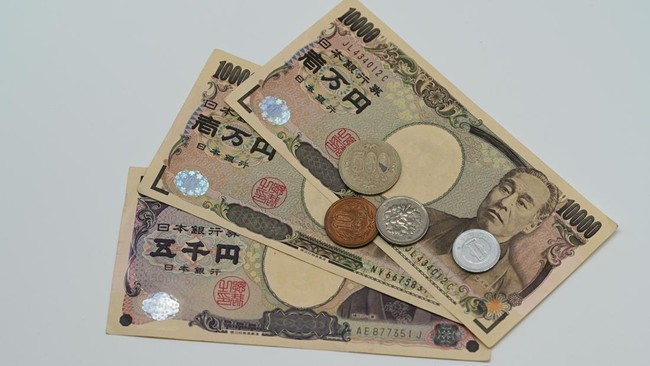
The Japanese yen has once again slumped to its weakest level against the US dollar in almost four decades. During Asian trading on Tuesday (30/06/2026), the currency of the Land of the Rising Sun dropped to 162.27 per US$, its lowest level since 1986.
The weakening yen has triggered market concerns regarding potential intervention by the Japanese government. Responding to the depreciation, Japanese Finance Minister Satsuki Katayama emphasised that the government is prepared to take action if exchange rate volatility is deemed excessive.
“That includes taking decisive action, as has been confirmed between Japan and the US,” Katayama stated, as quoted by CNBC International.
Similarly, Chief Cabinet Secretary Minoru Kihara stated that the government will continue to strengthen economic foundations to ensure they are not overly vulnerable to currency fluctuations. He also reaffirmed that Tokyo remains ready to intervene in the foreign exchange market if necessary, though he declined to comment specifically on the current level of the yen.
On the other hand, Julia Wang, Head of North Asia Investment at Nomura, assessed that the yen’s decline to a new low increases the likelihood of the Japanese government re-entering the foreign exchange market. However, she noted that the impact of intervention on global market movements is likely to be only temporary.
“Intervention should not depend on a specific level. It depends on the nature of the currency movement. However, this is the peak of a new cycle, which could re-trigger domestic concerns regarding the yen’s weakness,” said Wang.
She explained that the yen’s outlook remains tendentially weak because the interest rate gap and real yields between Japan and the US remain wide. This condition continues to drive carry trade practices, where investors borrow funds in low-interest yen to invest in higher-yielding assets in other countries.
“I do not believe this is a material factor that will disrupt the market,” Wang added, assessing that government intervention will not alter the yen’s long-term trend.
Throughout April and May, the Japanese government has injected more than 11.7 trillion yen—approximately Rp1,286 trillion (assuming an exchange rate of around Rp109.9 per yen)—from foreign exchange reserves to support its currency.
On 30 April, the yen strengthened sharply to 156.6 per US$ from 160.39 per US$, sparking speculation of government intervention before it eventually weakened again.
Meanwhile, the Bank of Japan (BoJ) has also tightened its monetary policy by raising the benchmark interest rate to 1%, the highest level in over 30 years.
The 25 basis point increase follows a hike last December that brought interest rates to 0.75%, placing Japanese borrowing costs at their highest level since 1995.
Source: jawawa.id (https://jawawa.id/newsitem/yen-plunges-to-weakest-level-in-40-years-japan-on-high-alert-1782816764)
Originally published by CNBC Indonesia (https://www.cnbcindonesia.com/news/20260630151113-4-746879/yen-ambles-ke-titik-terlemah-40-tahun-jepang-siaga), translated from Indonesian