
Yemen Ceasefire Collapses, Houthi-Saudi Conflict Reignites
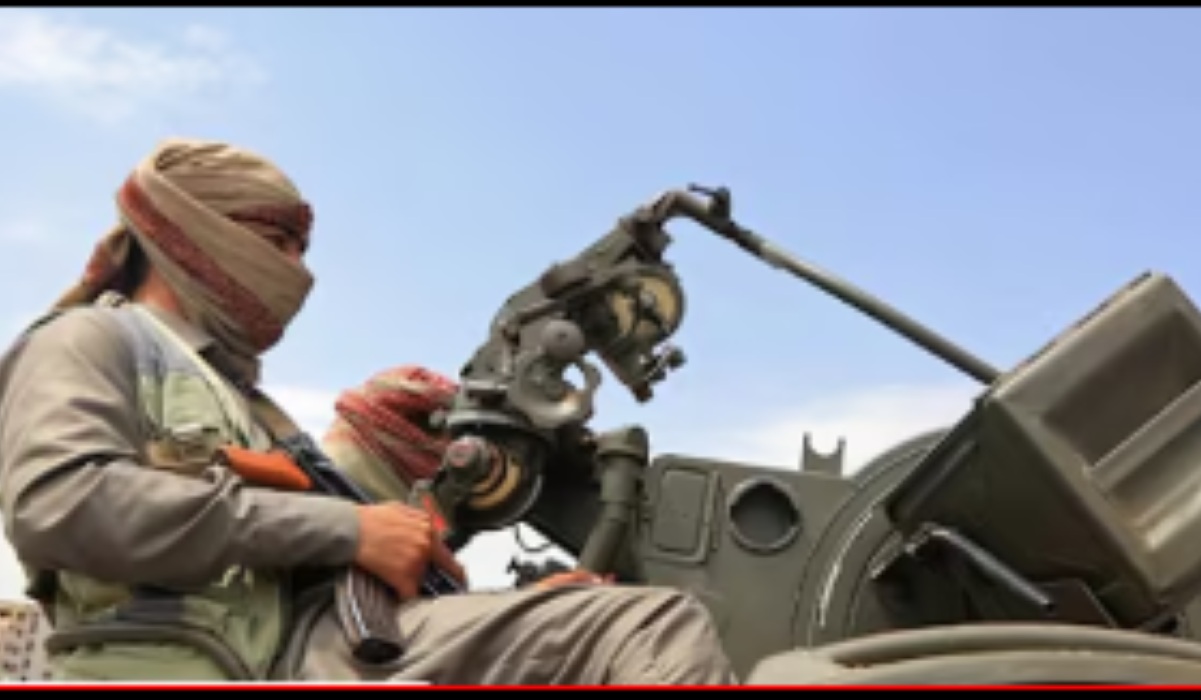
After more than four years under a fragile ceasefire, Yemen now stands once again on the brink of full-scale war. Tensions between the Saudi-led military coalition and the Iran-backed Houthi militia have resurfaced, dashing hopes of a lasting peace that had once been pursued through diplomatic channels.
The escalation was triggered by deadlocked peace negotiations and Houthi frustration over the economic conditions in their territory. The situation has been further aggravated by the fallout of the war between the United States and Iran, which acted as a catalyst amid Yemen’s already deeply unstable conditions.
In late 2023, the United Nations facilitated an initial agreement, or road map, which included the payment of civil servants’ salaries in Houthi-controlled areas using Yemeni oil revenues. The deal was estimated to be worth between US$1 billion and US$2 billion per year. However, the process stalled after Hamas’s attack on Israel in October 2023 and the Houthi military campaign in the Red Sea, launched as a show of solidarity with Gaza.
Western diplomats said the Houthi attacks in the Red Sea were regarded as a violation of the ceasefire’s preconditions. Conversely, senior Houthi political official Mohammed al-Bukhaiti accused Saudi Arabia of failing to implement the salary payments and of instead tightening its air and sea blockade on Yemen.
Analysts believe the Houthis see numerous advantages in this escalation, including the opportunity to seize control of oil revenues and strengthen their political authority. Farea al-Muslimi of Chatham House noted the differing approaches of the two sides: “Saudi Arabia is trying to solve the problem with money, while the Houthis are solving it with weapons.”
Iran’s involvement is also a key factor. After the ceasefire between the US and Iran collapsed in February, the Houthis began recalculating their position, allegedly under pressure from Tehran to become more involved in regional conflict in order to pressure the interests of US allies in the region.
Over the past week, the Houthis have launched missiles and drones at Saudi territory and at ships in the Red Sea, beginning to disrupt global energy markets. In response, the Saudi-led coalition has carried out airstrikes on Houthi territory for the first time in several years.
US President Donald Trump, who at the start of his second term designated the Houthis as a foreign terrorist organisation, issued a stern warning. On 23 July, following a Houthi attack on two Saudi oil tankers, Trump threatened major military punishment if the attacks continued.
Yemen’s future now depends heavily on the position of the Trump administration and on whether Saudi Arabia is willing to become embroiled once more in a conflict that previously drained its finances and damaged the kingdom’s international reputation.