
Year-End Deadline: Buleleng Evaluates RDF and Pyrolysis to Address Bengkala Landfill Waste
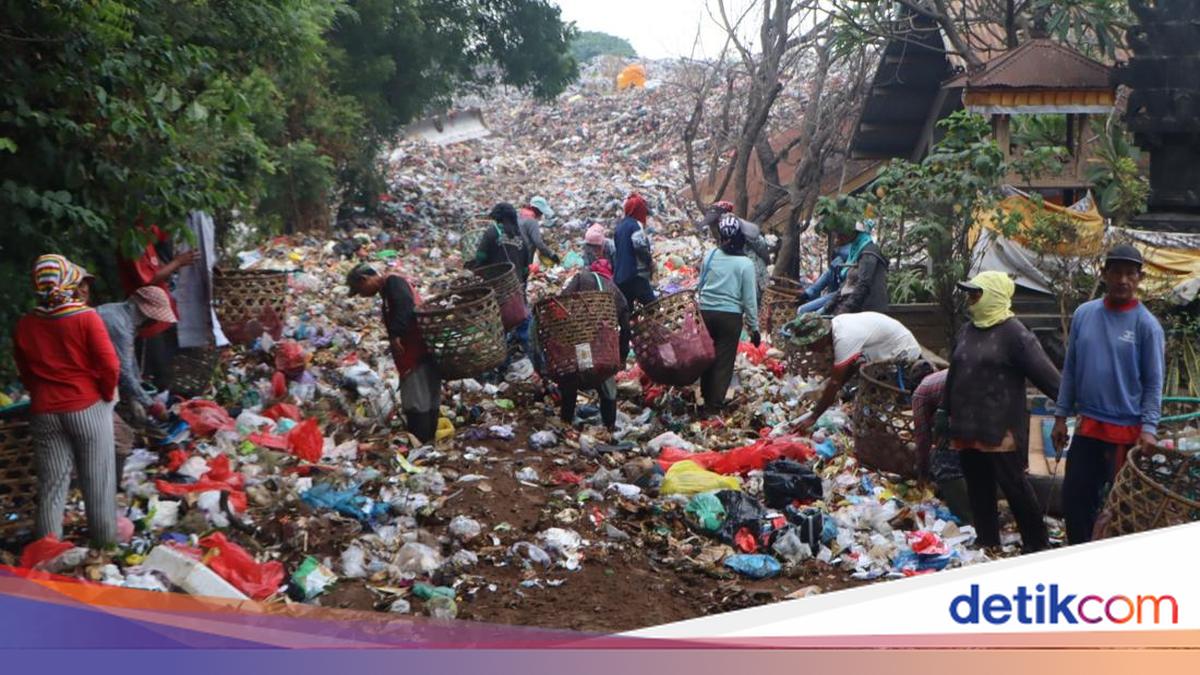
The Bulelang Regency Government is racing against time to find a permanent solution to the waste problems at the Bengkala landfill. After receiving administrative sanctions from the Ministry of Environment (KLH) for continuing to implement an open dumping system, the Buleleng Government is now studying two waste processing technologies: Refuse Derived Fuel (RDF) and pyrolysis.
Buleleng Regency has been given a deadline until the end of December 2026 to cease the open dumping system at the Bengkala landfill. As a temporary measure, the local government is implementing a controlled landfill system while preparing long-term waste processing technology.
Buleleng Regent I Nyoman Sutjidra stated that no decision has yet been made regarding which technology will be selected. Studies are being conducted to ensure the technology is suitable for the characteristics of the waste and the needs of the region.
“Whether we will process the waste mechanically, which would produce RDF, or if there are offers for pyrolysis—we must determine which is better to choose,” said Sutjidra on Tuesday (1/9/2026).
According to Sutjidra, controlled landfilling can still be applied in the short term because there is still available capacity at the Bengkala landfill. Currently, there are approximately 7.5 hectares of land that can be utilised.
“The area is still quite large, with 7.5 hectares remaining. Therefore, if small pits are created and covered, it will still be sufficient,” he said.
In the implementation of controlled landfilling, waste entering the landfill will undergo a sorting process before being buried. The waste is then placed in pits and covered with soil.
The Buleleng Government is utilising heavy equipment owned by the local government to support this process. The Bali Provincial Government is also providing support in the form of equipment.
However, Sutjidra emphasised that controlled landfilling is only a temporary solution. The Regency Government must prepare waste processing technology that can be implemented for the long term.
“The most immediate action that can be taken is controlled landfilling. That is a short-term measure to manage the waste,” he asserted.
The Buleleng Government must prepare a follow-up scheme before the deadline set by the Ministry of Environment expires. This is because waste from the community will continue to enter the Bengkala landfill, necessitating a processing system capable of reducing the volume of waste that ends up in the disposal site.
Options for sanitary landfilling are also not a viable solution in the near future. In addition to requiring preparation, the sanitary landfill system network previously available at the Bengkala landfill is reported to have sustained damage.
Consequently, the Buleleng Government is now studying technologies that allow waste to be processed rather than merely buried. RDF and pyrolysis are the two options currently under review.
Mechanical technology would process waste into RDF, which can be used as an alternative fuel. Meanwhile, pyrolysis serves as another technological option being offered for waste processing.
Sutjidra stated that the final decision will be made once the study is complete. The Regency Government wants to ensure that the chosen technology is truly implementable and serves as a solution to the waste issues in Buleleng.
As such, waste management at the Bengkala landfill is currently in a transition phase. Controlled landfilling serves as the short-term solution, while RDF and pyrolysis are being prepared as options for long-term waste processing.